Brothers jailed for 1984 murder after undercover police sting

Brothers Jailed for 1984 Murder After Undercover Police Operation
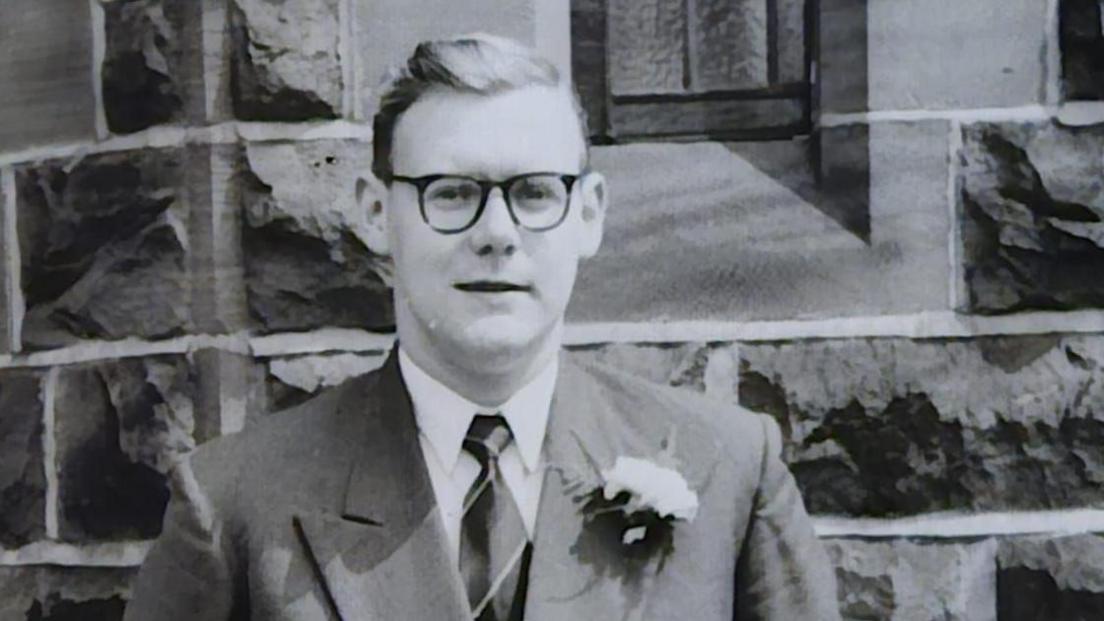
Ninoda.com – Anthony Littler, a 45-year-old civil servant, was brutally murdered in May 1984 while walking home from East Finchley station, a crime that remained unsolved for four decades. The breakthrough in this case came through a meticulously planned undercover police operation, which ultimately led to the conviction of his killers—Michael and Anthony Stewart. This historic verdict, with the brothers receiving life sentences and minimum terms of 10 and 15 years respectively, marks the first time justice was delivered for the 1984 murder. The case has since become a symbol of how persistent investigation and innovative policing methods can resolve long-standing mysteries, even in an era where the brothers jailed for 1984 murder believed they had escaped accountability.
The Investigation: A Decades-Long Pursuit
Unlike many cold cases that rely on forensic evidence or DNA analysis, this 1984 murder was solved through a bold undercover strategy that showcased the evolving tactics of modern policing. Detectives deployed bugging devices in the Stewart brothers’ home and vehicles, embedded covert officers in Michael’s daily life, and meticulously tracked their movements. The operation hinged on the brothers’ habit of recounting the details of their crimes, often over the years, which gave investigators the critical clues needed to piece together the timeline of events. After decades of unanswered questions and a series of stalled inquiries, the police finally secured enough evidence to bring the brothers jailed for 1984 murder to trial, highlighting the importance of persistence in solving complex cases.
“The evidence presented during the trial was compelling, and the brothers jailed for 1984 murder were clearly aware of their guilt,” said Detective Inspector Helen Carter, who oversaw the operation. “It was a turning point in the case, one that reminded us of the power of surveillance and the value of patience in the pursuit of justice.”
Key to the investigation was the 1984 coroner’s map, which provided precise details about where Anthony’s body was found—near the station in a secluded alleyway. This document, along with the undercover surveillance, formed the backbone of the prosecution’s case. The brothers’ targeting of gay men, despite no direct evidence linking Anthony to that community, underscored the prejudice of the time. The police’s ability to gather testimony and evidence through this method has since been celebrated as a milestone in investigative journalism and law enforcement cooperation.
A Life Remembered: Anthony Littler’s Legacy
Anthony Littler was not just a victim of violence; he was a beloved figure in his community, known for his quiet demeanor and unwavering kindness. Friends and family often described him as a “gentle giant,” someone who could be found in local pubs, sharing drinks with colleagues and neighbors. His passion for real ale and his deep connection to his mother made him a familiar presence in East Finchley, where he lived a life filled with simple joys and unshakable loyalty. On the night of his murder, he was heading home from a meeting of the Society for the Preservation of Beers from the Wood, a testament to his dedication to the community he cherished. The narrow footpath beside the railway line, just a short distance from the station, became the tragic scene of his death, leaving a lasting impact on those who knew him.
Patricia McLure, one of Anthony’s surviving relatives, described him as a “kind-hearted figure who was like a big brother” to her. She recalled his presence at family gatherings, from birthdays to Christmas, and how his absence haunted her for decades. “He wouldn’t throw a stone at a dog when he was a kid,” she said, reflecting on his gentle nature. The brothers jailed for 1984 murder had not only taken his life but also left a void that rippled through the community, emphasizing the personal and emotional toll of such crimes.
Legacy of Silence and the Path to Justice
For years, the mystery of Anthony’s murder kept the community in suspense, with many believing the killers had evaded justice. Previous investigations, including the original Metropolitan Police inquiry that closed in January 1985, failed to uncover enough evidence to secure a conviction. Two later probes in 1993 and 2012-2015 also stalled, leaving the case to fade into obscurity. However, the new undercover operation, which combined technology and human insight, finally broke the silence surrounding the crime. This breakthrough not only brought the brothers jailed for 1984 murder to trial but also reaffirmed the importance of continued efforts in solving even the most complex cases.
Justice for the 1984 murder came after a 42-year wait, underscoring the patience required in criminal investigations. The trial revealed how the