Three firefighters die battling huge wildfires on Colorado-Utah border

Three Firefighters Lose Their Lives in Colorado-Utah Wildfire Battle
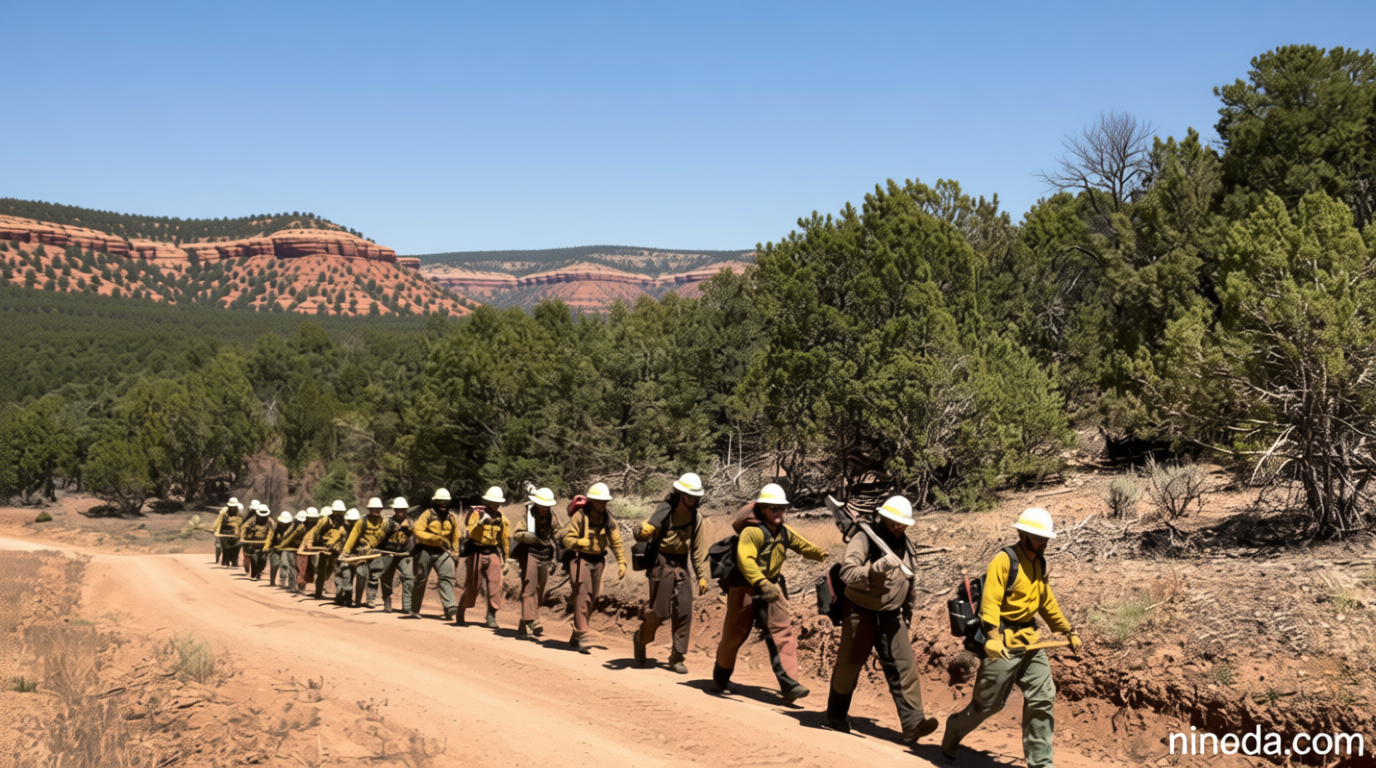
Ninoda.com – Three firefighters died while battling huge wildfires along the Colorado-Utah border, marking a tragic milestone in the ongoing fight against the region’s escalating fire crisis. The incident, which occurred on Saturday, left two more crew members injured as flames rapidly overtook their position during a “burnover event,” a term describing sudden and intense fire expansion that traps personnel. Emergency shelter tents were deployed as crews scrambled to survive the inferno, with the U.S. Wildland Fire Service confirming the deaths and injuries in a statement released after the event.
The deceased were part of a federal firefighting team deployed to combat the Knowles and Gore fires, which had merged into the Snyder Mesa fire by the time of the incident. The Department of the Interior reported that the flames surged beyond containment lines, overwhelming the crew and cutting off their escape routes. The two injured firefighters, suffering from severe burns, were transported to nearby hospitals for treatment. Officials emphasized that the names of the fallen firefighters have not yet been officially shared, as investigations into the circumstances of their deaths continue.
“I’m devastated about the loss of three heroic firefighters who died in the line of duty in Western Colorado,” said Governor Jared Polis. “To the loved ones of those lost, and to their fellow crew members—some who are still battling huge wildfires—know that the State of Colorado mourns alongside you.”
The governor’s remarks highlight the emotional toll of the disaster, as communities and first responders grapple with the loss. This incident has reignited discussions about the dangers of battling huge wildfires in a region increasingly vulnerable to extreme weather conditions.
The Mechanics of Burnover Events
A burnover event is a critical phenomenon in wildfire management, where flames spread so swiftly that they create a wall of fire, trapping crews and forcing them to seek refuge in temporary shelters. These events are often triggered by unpredictable weather shifts, such as sudden gusts of wind or dramatic drops in humidity, which exacerbate the already intense conditions. The Colorado-Utah wildfires exemplify how such events can turn routine firefighting operations into life-threatening scenarios, underscoring the need for better preparedness and rapid response strategies.
Firefighters working on the scene described the burnover as a “sudden and violent surge” that left little time for reaction. With temperatures reaching well above 100°F and winds howling at over 30 mph, the crew’s efforts to contain the flames were met with relentless challenges. The incident has prompted a review of safety protocols, as agencies assess whether current measures are sufficient to protect personnel when battling huge wildfires under such extreme conditions.
Wildfire Trends and Climate Change Impacts
The merging of the Knowles and Gore fires into the Snyder Mesa blaze reflects a broader trend of wildfire consolidation, a common occurrence in areas where multiple fires are fueled by similar environmental factors. According to recent data, the western U.S. has seen a 40% increase in fire activity over the past decade, with climate change playing a central role in intensifying heatwaves and prolonging droughts. These conditions create a perfect storm for massive wildfires, which are becoming more frequent and severe as global temperatures rise.
Scientists warn that the combination of climate change and human activities—such as land-use changes and urban expansion into wildland areas—has heightened the risks associated with battling huge wildfires. The Snyder Mesa fire, which burned approximately 28,000 acres by Saturday, serves as a stark example of how quickly fire conditions can deteriorate. Meanwhile, the Cottonwood Fire in Utah, now the largest of eleven active blazes, has scorched over 93,000 acres and remains 0% contained, further illustrating the scale of the challenge faced by firefighters.
As the region enters a critical phase of the fire season, concerns are mounting about whether the infrastructure and resources are adequate to handle the increasing demands of battling huge wildfires. The incident in Colorado-Utah has raised questions about the effectiveness of current firefighting strategies and the potential for similar tragedies to occur in other parts of the country. With the 4 July holiday approaching, Utah Governor Spencer Cox has also issued an emergency directive to ban fireworks, aiming to prevent any additional ignition sources during the peak of the fire season.
The loss of three firefighters underscores the high stakes of the work involved in battling huge wildfires. While their efforts to protect lives and property are commendable, the incident serves as a sobering reminder of the risks faced by these brave individuals. As the Snyder Mesa fire continues to burn, the community remains on edge, with families and colleagues of the deceased calling for improved safety measures and greater support for those on the front lines. The tragedy has also sparked a renewed focus on the importance of adaptive strategies in the face of climate-driven fire risks.