Person fined after using foghorn to wake sleeping polar bear

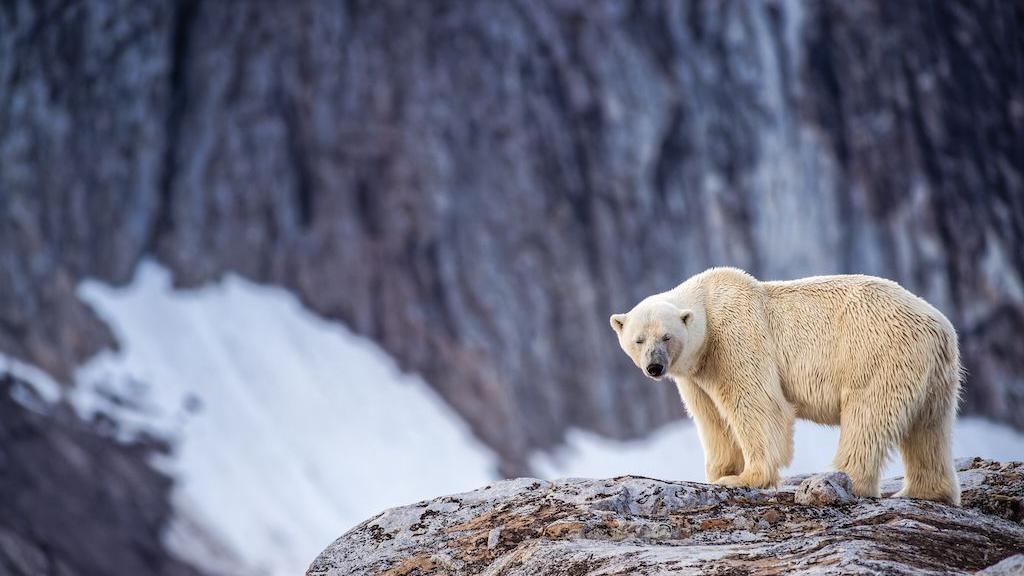
Table of Contents
Person Fined After Using Foghorn to Wake Sleeping Polar Bear in Svalbard
Ninoda.com – A person fined after using foghorn to wake a sleeping polar bear has become the latest example of Norway’s strict wildlife protection measures in action. The incident occurred earlier this month in the remote Svalbard archipelago, where a vessel’s crew sounded their ship’s foghorn while passing a resting bear. According to local officials, the vessel was navigating through a fjord in northwestern Svalbard, approximately 1,000 km (620 miles) from the North Pole, when the disturbance took place. On Thursday, the unnamed individual was officially fined 50,000 kroner (£3,890) for the incident, as confirmed by the territory’s governor.
Understanding Svalbard’s Wildlife Protection Laws
Under Svalbard’s local regulations, it is forbidden to needlessly disturb, attract, or pursue a polar bear. This protection was established when polar bears were declared a protected species in the archipelago in 1972. The most recent scientific estimate, conducted in 2015, counted approximately 250 polar bears living in the region. Governor Lars Fause provided details about the incident in an official statement, explaining that when the vessel sailed past the animal, its occupants spotted a polar bear sleeping on land. A person on board then used the ship’s foghorn, waking the animal, which subsequently moved to another location. The individual has agreed to pay the fine without contest.
“It is forbidden to needlessly disturb, attract or pursue a polar bear” — Svalbard local regulations
This is not the first time people have faced penalties for disrupting wildlife in the Svalbard region. In 2024, a tourist was fined 11,500 kroner (£900) for getting too close to a walrus, demonstrating that the territory maintains consistent enforcement of its environmental protection laws. The Svalbard Environment Act stipulates that all traffic on the archipelago must take place in a way that does not lead to unnecessary disturbance of local wildlife, which include polar bears, seals, whales, reindeer, and arctic foxes.
The case of the person fined after using foghorn highlights the delicate balance between tourism and conservation in one of the world’s most pristine Arctic environments. Svalbard’s strict regulations ensure that visitors respect the natural habitat of its iconic wildlife species. As polar bear populations remain relatively stable at around 250 individuals, continued enforcement of these laws remains crucial for their long-term survival in the region.
Travelers visiting Svalbard should be aware that disturbing wildlife can result in significant financial penalties. The foghorn incident serves as a reminder that even well-intentioned actions, such as using a ship’s horn for signaling, can have consequences when they affect protected animals. The territory’s commitment to wildlife protection demonstrates Norway’s broader dedication to preserving Arctic ecosystems for future generations.
Frequently Asked Questions
How much was the fine for using a foghorn on a polar bear? The fine was 50,000 kroner (£3,890), as confirmed by Svalbard’s governor.
When was the polar bear protected in Svalbard? Polar bears were declared a protected species in Svalbard in 1972.
How many polar bears live in Svalbard? The last scientific estimate in 2015 counted approximately 250 polar bears in the archipelago.
What other wildlife is protected in Svalbard? The Svalbard Environment Act protects polar bears, seals, whales, reindeer, and arctic foxes from unnecessary disturbance.