A plane crashed into a tower in Beijing but China is not saying what happened

Plane Crashed into Beijing Tower, China Hints at Limited Details
Ninoda.com – A plane crashed into a tower in Beijing, marking a significant incident that has sparked widespread curiosity. Four days have passed since a small aircraft collided with Beijing’s tallest skyscraper, resulting in the pilot’s death and injuries to 13 others. The event’s location near Zhongnanhai, the Communist Party’s headquarters, has intensified speculation about the circumstances. Despite the gravity of the situation, China’s official response has been brief, with only a 60-word statement released in the state-owned Beijing Daily, offering minimal insight into the cause of the crash.
Impact and Information Control
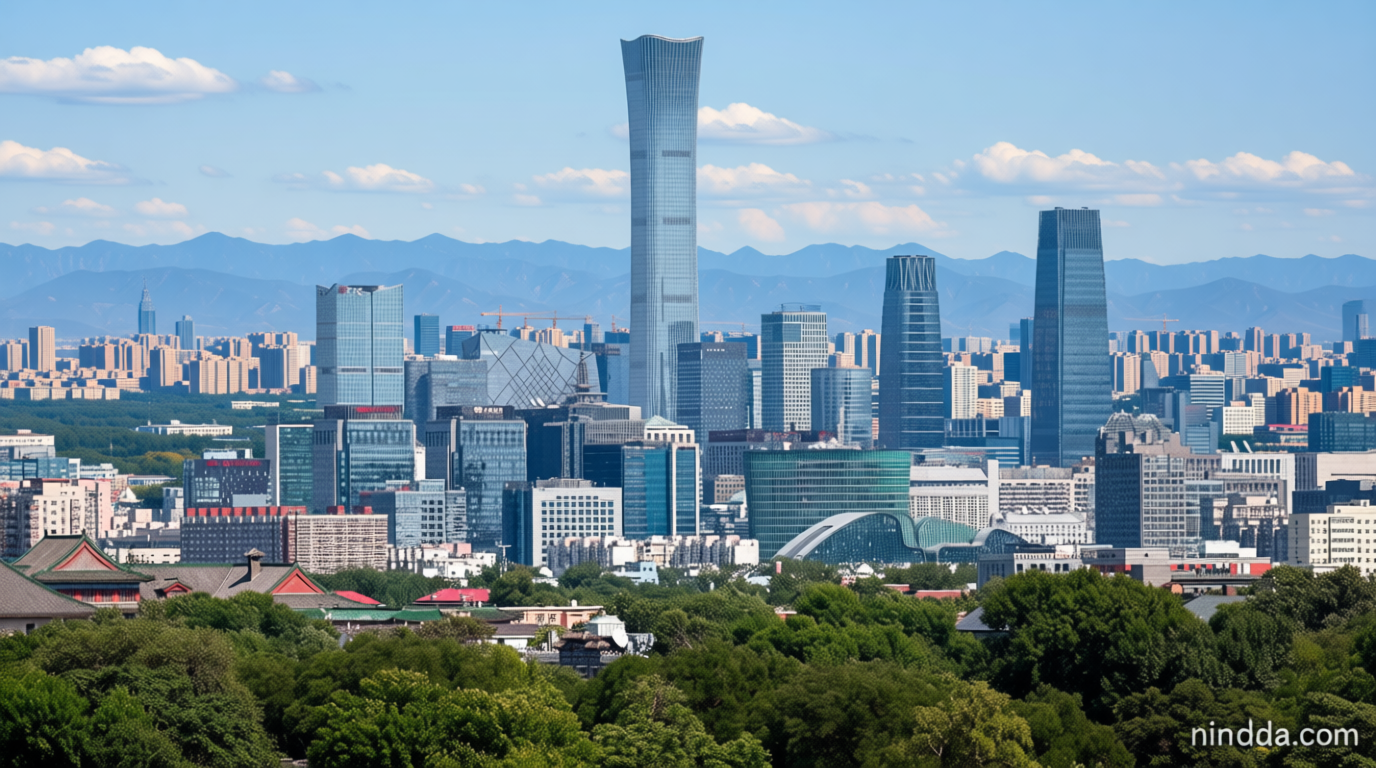
The CITIC Tower, standing at 109 floors, sustained visible damage from the collision, with holes on its exterior now sealed. Dramatic footage of the crash has been swiftly removed from online platforms, and even images of the building unrelated to the incident have been censored. Social media users report that posts featuring the structure, often associated with cultural or symbolic significance, have vanished. This swift information control suggests an effort to manage public perception and prevent broader implications from emerging.
“The incident raises questions about transparency and the speed of China’s response,” noted a digital observer. “The government’s ability to control the narrative in real time highlights both its influence and the potential for controversy.”
Aviation Sector and Operational Changes
At least three aviation companies confirmed to the BBC that they were instructed to pause light aircraft operations. However, no further details were shared about the decision or its rationale. A trainer in Beijing expressed concern, stating, “We were told to not discuss the event. Please ask others for specifics.” A representative in Chengdu abruptly ended the conversation when pressed for information, indicating a coordinated effort to limit the spread of details about the crash.
“The aviation sector’s compliance with the directive suggests a centralized command in crisis management,” said an industry analyst. “This could imply a deliberate strategy to contain the incident’s visibility and impact.”
Security Implications and Historical Parallels
Beijing maintains a permanent no-fly zone of approximately 100 square kilometers over its political core, including Tiananmen Square and Zhongnanhai. The recent crash has been described as a “massive security breach,” with analysts noting its potential to disrupt Beijing’s established air defense protocols. This event echoes past incidents, such as the 1987 German pilot Mathias Rust’s landing in Moscow’s Red Square, which exposed vulnerabilities in Soviet air control.
“The ability of a small plane to navigate close to Zhongnanhai is both politically embarrassing and a major security lapse,” stated Raymond Kuo of the Chicago Council of Global Affairs. “It challenges the perception of air safety in China’s capital.”
Technical Aspects and Public Comparisons
The aircraft involved was a two-seat, single-engine Aurora SA60L, manufactured by Sunward Aircraft. Designed for recreational and aerial photography purposes, its size and maneuverability raised questions about its presence in the restricted airspace. The crash has drawn comparisons to the 9/11 attacks, with one Reddit user recalling, “This was exactly the same news alert I received when a plane hit the first tower during 9/11.” Such parallels have fueled discussions about the event’s broader significance and the government’s communication strategy.
Broader Context and Future Outlook
Following the incident, Beijing has intensified its focus on air traffic regulations, particularly regarding drones. The crash underscores the importance of airspace management in a city where political and cultural landmarks are tightly monitored. Officials have yet to provide a detailed explanation, but the event has prompted calls for a thorough investigation. Analysts suggest that the crash may reflect not only technical failures but also systemic issues in China’s approach to aviation safety and information dissemination.
As the investigation continues, the incident remains a focal point for both domestic and international observers. The combination of a plane crashing into a tower and the government’s measured response highlights the delicate balance between transparency and control in crisis situations. With no official statement yet addressing the cause, the event continues to fuel speculation and underscore the complexities of managing such a high-profile incident in a politically sensitive environment.