‘Magic and midsummer madness’: The last of the old-school Glastonbury Festivals

Magic and Midsummer Madness: Glastonbury’s Last Unfiltered Festival Era
Ninoda.com – As the 1993 Glastonbury Festival reemerges in a newly restored cinematic format, the phrase “magic and midsummer madness” evokes a pivotal chapter in the event’s history. This year, often regarded as the final stretch of the festival’s early, informal days, encapsulated the raw, unpolished energy that defined its roots. Before the festival’s transformation into a globally recognized brand, Glastonbury was a grassroots celebration, where the unpredictability of the event and its cultural resonance created a unique experience. The restored film not only resurrects this era but also highlights how the festival’s spirit, once synonymous with chaos and creativity, began to evolve with the arrival of modern technologies and commercialization.
The Raw Essence of Glastonbury in 1993
The documentary Glastonbury The Movie offers an unfiltered look at the festival’s transformation. Shot over four days by Robin Mahoney and a team of 30 young filmmakers, the footage captures the unscripted moments that made Glastonbury special. From the vibrant energy of the crowd to the improvisational nature of the performances, the film is a time capsule of 1990s counterculture. “Magic and midsummer madness were the defining elements of that year,” Mahoney explained. “There was no overproduction, no strategic branding—just a sense of shared wonder and spontaneity.” This approach allowed the filmmakers to document the festival as it was, unearthing details that resonate with both nostalgia and historical significance.
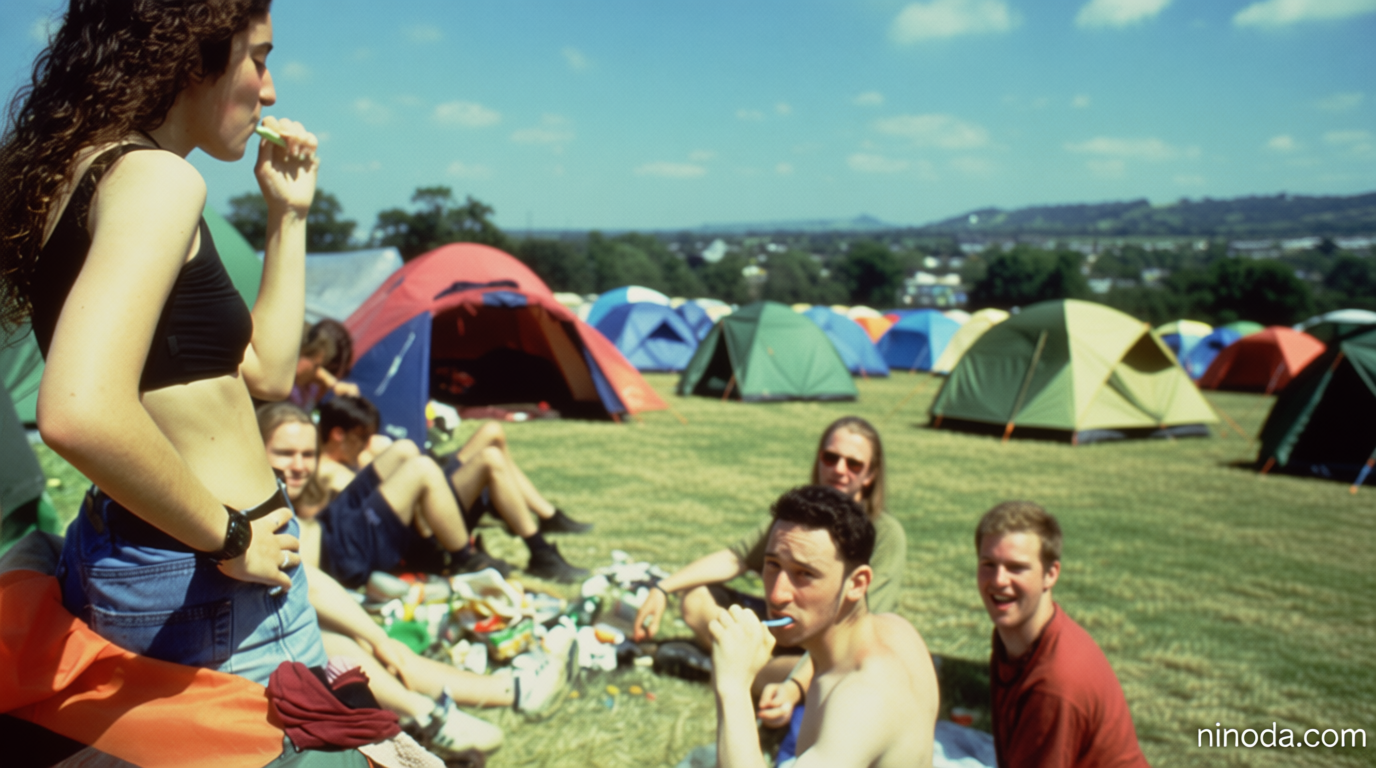
Unlike today’s meticulously planned events, the 1993 Glastonbury relied on the unpredictable. No phone masts, no biometric ticketing, and minimal media interference meant the festival remained a collective experience. The film’s ability to showcase these intimate moments—such as backstage preparations or impromptu interactions—adds layers to its appeal. These scenes, though brief, speak volumes about the festival’s cultural impact, offering a glimpse into a time when creativity and chaos coexisted seamlessly. For longtime fans, this restoration is more than a nostalgic trip; it’s a reminder of how the festival’s identity was once rooted in its very essence.
A Shift in the Festival Landscape
The 1993 edition marked a turning point for Glastonbury. While it retained the bohemian charm of its origins, the festival was already showing signs of its future global scale. Mahoney’s reflection on the era captures this duality: “It was on the cusp of becoming a world-class event, yet it still felt like a wild, free-form gathering.” The absence of modern infrastructure meant that every aspect of the festival—music, art, and audience engagement—was driven by passion rather than precision. This untamed vibe, coupled with the festival’s “magic and midsummer madness,” made it a defining moment for the 1990s youth movement, as seen in the fashion, language, and DIY ethos of the time.
As the film’s co-director, Matt Salkeld, pointed out, the restored footage provides a rare opportunity to revisit this transformative period. “The magic and midsummer madness of 1993 are still palpable today,” he said. “It’s a window into a world where the festival wasn’t just a place to perform—it was a living, breathing phenomenon.” The directors’ decision to present the film in 4K without added commentary ensures that the audience experiences the same unstructured energy that once defined Glastonbury. This approach not only preserves the authenticity of the event but also invites viewers to reflect on how far the festival has come in terms of scale and organization.
The Cultural Legacy of an Unpolished Era
Originally released in 1996, Glastonbury The Movie holds a special place in British film history. It was the first British feature to secure National Lottery funding via the British Film Institute, and its blend of medieval settings and modern chaos earned critical acclaim as a “masterpiece.” The film’s influence extended beyond Glastonbury, inspiring a generation of filmmakers and cultural historians to explore the event’s significance. Today, as the restored version reappears, it serves as both a nostalgic artifact and a testament to the power of preserving cultural moments.
For Mahoney, the film is more than a documentary—it’s a cultural artifact. “Now, it’s not just a film about a festival; it’s a document of a generation’s aspirations,” he stated. “The magic and midsummer madness captured in 1993 are a mirror to the 1990s, a time when the festival was as much about the journey as it was about the destination.” This sentiment underscores the film’s importance, not only in tracing Glastonbury’s evolution but also in highlighting how the festival’s early days shaped its identity. As the world moves toward more structured and commercialized events, the 1993 footage remains a vital reminder of the raw, unfiltered magic that once defined Glastonbury.
Preserving the Past for the Future
Efforts to archive Glastonbury The Movie nationally are gaining momentum, with Mahoney advocating for its preservation as a cultural touchstone. “This film is a piece of history that deserves to be protected,” he emphasized. “It captures the very soul of the festival before it became a global brand.” The restored version, now available in UK cinemas, is part of a broader initiative to ensure that the magic and midsummer madness of the 1990s are not forgotten. By revisiting this era, the film invites a new audience to appreciate the foundations of what Glastonbury is today, while offering seasoned fans a chance to relive the moments that created its legacy.
As the festival continues to evolve, the 1993 edition stands as a defining chapter in its journey. The “magic and midsummer madness” of that year remains a benchmark for the festival’s roots, even as it adapts to new challenges and expectations. The restored film, therefore, is not just a celebration of the past but a bridge to the future, ensuring that the essence of Glastonbury’s early days is preserved for generations to come. In a world where spontaneity is increasingly rare, this cinematic revival serves as a powerful reminder of the enduring allure of the festival’s unpolished, creative spirit.