Not a football fan? Here’s how to sound like a World Cup expert

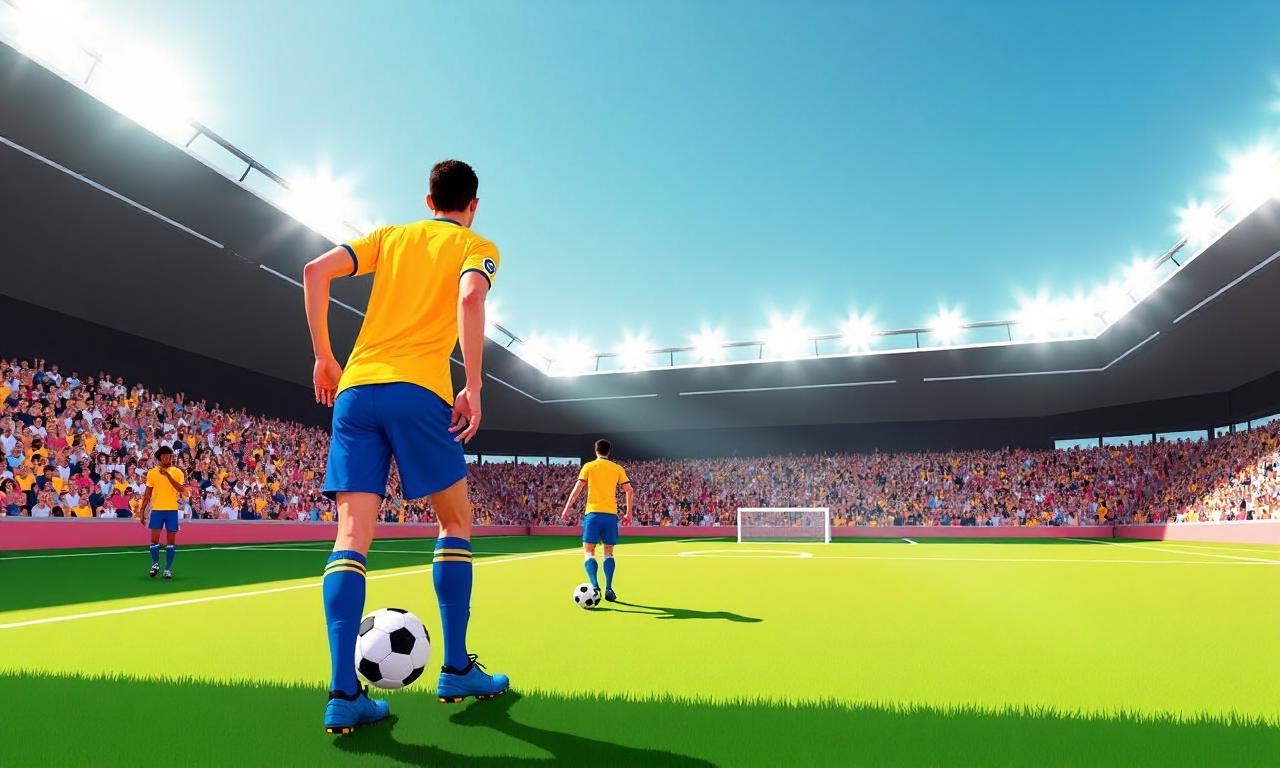
Not a Football Fan? Here’s How to Sound Like a World Cup Expert
A New Era of Global Football
Ninoda.com – As the World Cup approaches, football conversations are becoming more frequent, especially for those not deeply immersed in the sport. To help bridge the gap, here are nine conversation starters that can transform casual observers into informed participants. The 2026 edition will be unique in history, as it will be co-hosted by the United States, Canada, and Mexico—a first for the world’s premier football tournament. This expansion from 32 to 48 teams has sparked debate, with critics suggesting the event has lost some of its intensity. Yet, fans from Cape Verde, Curacao, Jordan, and Uzbekistan are thrilled about their nations’ debut.
Legends on the Pitch
Two of football’s greatest icons, Cristiano Ronaldo and Lionel Messi, will lead their respective teams in the 2026 World Cup. Ronaldo, 41, has confirmed this will be his final international appearance, while Messi, turning 39 during the tournament, may also be nearing the end of his career. Both could etch their names in history as the first male players to compete in six World Cups. Meanwhile, Mexico’s goalkeeper Guillermo Ochoa, 40, will be the country’s sixth participant in the tournament, though he hasn’t played in every edition.
Host Nation Dynamics
Hosting the World Cup traditionally gives a nation an advantage, as about a quarter of past tournaments have been won by the host country. However, recent host nations have faced challenges: South Africa in 2010, Qatar in 2022, and Brazil in 2014 were all eliminated in early stages. Mexico, though, has a better track record, reaching the quarter-finals in 1970 and the last eight in 1986. Canada will make its debut as a host, adding a new layer of excitement to the event.
Cultural Fireworks
The tournament becomes a fusion of the nation’s most cherished elements, as highlighted by BBC Sport’s chief football writer, Phil McNulty. Argentina’s supporters, in particular, create an unforgettable spectacle, with thousands lining up at metro stations to cheer their team. Brazil’s fans, however, bring a distinct energy—literally. The samba rhythms and vibrant culture follow their team everywhere, turning every city into a festive celebration. Mexico City’s Estadio Azteca will host key matches, recalling Brazil’s 1970 triumph over Italy and Maradona’s legendary “Hand Of God” goal in 1986.
Global Bonuses and Incentives
For many countries, the World Cup is more than a sporting event—it’s a chance to reward their athletes. Players are offered financial bonuses, which vary by nation. Some reward appearances, others progression through the rounds, and a few use a mix of both, according to Prof Rob Wilson of the University Campus of Football Business. While details remain private for most, Germany stands out for transparency, with the 2014 squad each receiving 300,000 euros (£260,000; $350,000). In Scotland, public-sector workers, including NHS staff and council employees, will get a day off on 15 June, the day after England’s opening match against Haiti.
“The World Cup becomes a fusion of the nation’s most cherished elements,” says BBC Sport’s chief football writer, Phil McNulty.
Meanwhile, Brazil’s enthusiasm for the tournament is unparalleled, with streets and public spaces adorned in national colors during the event. In Rio de Janeiro, the city government will even award prizes for the most creatively decorated streets. This cultural fervor, paired with the tournament’s significance, makes it a momentous occasion for all involved.