I take responsibility to fund defence plan extremely seriously, says Burnham

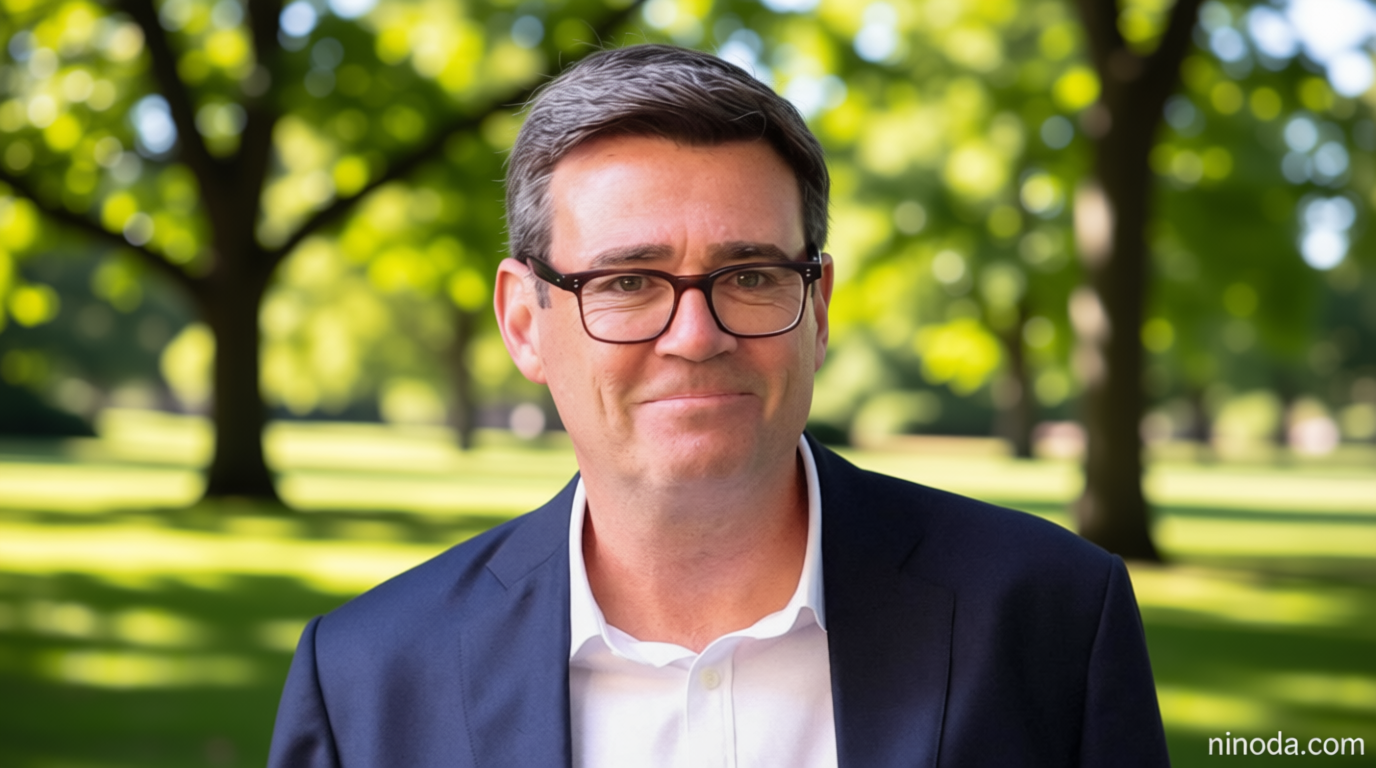
Burnham Committed to Fund Defence Plan with Unwavering Priority
Ninoda.com – Labour leader Andy Burnham has emphasized his firm dedication to funding the UK’s defence strategy, underscoring that he will approach the responsibility with “extreme seriousness” should he become prime minister. The recently unveiled defence plan proposes a £15bn boost to military spending, yet it is projected to create a £4.7bn shortfall for the next government. During an interview with LBC, Burnham confirmed that he had not yet fully analyzed the plan’s details but pledged to ensure “no compromises” on national security. His commitment to funding the defence initiative reflects a broader focus on prioritizing military readiness amid evolving global threats.
“I take responsibility to fund the defence plan extremely seriously,” Burnham stated. “The nature of the threat is changing, and I believe it’s imperative we invest in our armed forces to safeguard the country. If I am in a position to lead, I will ensure the necessary resources are allocated without hesitation.”
Burnham’s focus on funding aligns with his broader economic vision, which seeks to balance fiscal responsibility with strategic investment. While critics have scrutinized his approach to public finances, he insists that his policies are designed to protect essential services and infrastructure. His remarks followed a critique of the UK’s reliance on bond markets, a stance that has sparked debate about long-term financial stability. Burnham’s commitment to funding the defence plan is seen as a key component of his strategy to address both immediate and long-term national priorities.
Economic Policy and Fiscal Responsibility
As a former Treasury minister and Manchester mayor, Burnham has positioned himself as a fiscal expert, emphasizing his ability to manage the UK’s finances effectively. In his latest address, he reiterated Labour’s 2024 manifesto promise to avoid increasing taxes on working families, including National Insurance, income tax, and VAT. However, he also highlighted the flexibility within the manifesto to adapt tax policies as needed. This balance between consistency and adaptability aims to reassure voters of his commitment to both economic stability and national security.
“I take responsibility to fund the defence plan extremely seriously, but I also stick to the manifesto’s core principles,” he said. “We must protect public services while ensuring that the government can invest in the future. That means being strategic with spending and making tough decisions where necessary.”
Burnham’s plan to use higher business rates on warehouses and large developments is intended to ease the burden on pubs and local businesses. He also outlined reforms to the education system and work placement programs for 16-year-olds, aiming to reduce the long-term costs of welfare. These proposals demonstrate his belief in funding national priorities through targeted economic strategies, rather than broad tax increases. His emphasis on fiscal discipline is a central theme in his campaign for leadership.
Challenges in the Leadership Race
Burnham remains the sole remaining candidate to succeed Sir Keir Starmer in the Labour leadership contest, with his potential ascension to No. 10 set for 20 July. One of his immediate challenges will be addressing the defence funding gap, a critical issue that has drawn attention from both his opponents and the media. Conservative leader Kemi Badenoch recently questioned whether Burnham had agreed to take on the £4.7bn shortfall, highlighting the pressure on the next prime minister to secure adequate resources for the armed forces.
When asked about his awareness of the funding gap before the plan’s release, Burnham clarified: “I wasn’t involved in all the discussions, but I understand the government’s ongoing process. I will take my responsibilities to fund the defence plan fully, ensuring it has the support it needs to succeed.” His reassurance aims to allay concerns about his readiness to handle the financial demands of leadership. This statement underscores his determination to meet the challenges of the role head-on.
Strategic Priorities and Future Outlook
Burnham’s commitment to funding the defence plan is part of a larger strategy to strengthen the UK’s position on the global stage. He has argued that investing in the military is essential to maintaining national security in an era of geopolitical uncertainty. This includes modernizing equipment, expanding troop numbers, and enhancing cyber defense capabilities. By prioritizing these areas, Burnham aims to position the UK as a resilient and capable force, capable of responding to emerging threats.
“The defence plan is a vital part of our strategy to ensure the UK is prepared for any challenge. I take responsibility to fund it extremely seriously, and I believe it will serve as a cornerstone of my leadership,” Burnham said. “We cannot afford to be complacent in our security commitments, especially as the world becomes more unpredictable.”
With his leadership transition imminent, Burnham’s focus on funding will be central to his ability to implement the plan effectively. His ability to balance fiscal responsibility with strategic investment will be key to his success as prime minister. As the country watches his next steps, his emphasis on taking responsibility to fund the defence plan remains a defining aspect of his campaign. This dedication to financial accountability and national security is likely to shape his policies in the months to come.