Religion row as Texas makes Bible stories required reading in schools

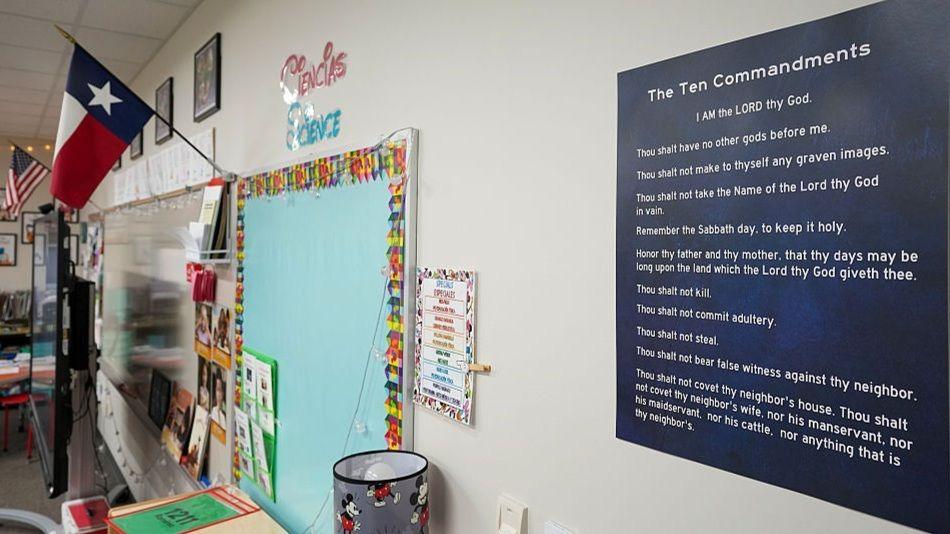
Table of Contents
Religion Row as Texas Makes Bible Stories Required Reading in Schools
Ninoda.com – Religion row as Texas makes Bible stories required reading in schools has sparked a heated national conversation about the role of faith in public education. A recent decision by the Texas State Board of Education to mandate the inclusion of biblical narratives in the state’s curriculum has drawn sharp criticism from educators, civil liberties advocates, and religious minorities. The policy, set to take effect in 2030, requires all five million public school students in Texas to study religious texts such as the story of God speaking to Moses through a burning bush from Exodus and the tale of Adam and Eve. This shift aims to align classroom learning with the state’s emphasis on traditional values, but it has ignited debates over the separation of church and state and the potential marginalization of other faiths in the educational system.
Policy Approval and the Debate Over Religious Influence
The policy was approved by the Republican-led State Board of Education with a 9-5 vote, highlighting the political divide within the panel. One Republican board member, Brandon Hall, asserted,
“We are bringing the Bible back into schools this week for the first time in 60 years.”
This statement underscores the broader conservative movement to embed religious content into academic standards. Supporters argue that Judeo-Christian traditions are foundational to American identity, citing historical references such as the Declaration of Independence and the U.S. Constitution, which were influenced by biblical principles. However, critics claim the decision prioritizes Christianity over other religions, creating a curriculum that reflects a Western-centric worldview.
The revised reading list also incorporates literary classics like Great Expectations by Charles Dickens and The Tragedy of Julius Caesar by William Shakespeare. While these works are celebrated for their cultural and historical significance, the mandatory inclusion of biblical passages has raised concerns about the balance between secular and religious education. The curriculum now includes stories about Jesus from the New Testament and the Parable of the Prodigal Son, which supporters argue provide moral and ethical context to students’ learning. Yet, opponents fear this could lead to a one-sided portrayal of religious beliefs, overshadowing the contributions of other faiths to the nation’s history.
Opposition and Concerns About Educational Autonomy
Religious freedom organizations, such as the Texas Freedom Network, have warned that the policy could entrench Christianity as the dominant religious framework in schools. Felicia Martin, executive director of the network, emphasized,
“It centres Christianity above all other religious faiths and traditions.”
She pointed out that the updated reading list overlooks the histories and contributions of Black, Brown, Indigenous, and other religious communities, which are integral to the American narrative. Teachers have also expressed worries about the impact on their ability to choose materials that reflect diverse perspectives. Clare Haefner of the Texas Classroom Teachers Association noted,
“Texas teachers have expressed concerns about the length of the list and the potential loss of teacher autonomy in determining which works are appropriate and relevant for their own classrooms.”
Despite claims that the list has been streamlined, the association argues it still imposes rigid guidelines on what students should learn.
Legal experts have scrutinized the policy’s compliance with the First Amendment, which guarantees the separation of church and state. While the mandate does not explicitly require prayer or religious instruction, critics argue that the emphasis on biblical stories could create an environment where religious influence permeates the curriculum. This comes amid a wave of conservative efforts to reshape education in Texas, including last year’s law mandating the display of the Ten Commandments in classrooms. The law, upheld by a federal appeals court in April after a legal challenge, was celebrated by President Donald Trump as a victory for religious freedom. He remarked at a religious freedom event in Washington, D.C.,
“Religion is back in our country, bigger and stronger than it has been in many, many years.”
This sentiment reflects the growing influence of religious themes in Texas public education.
The decision has also raised questions about how religious content is integrated into other subjects. For instance, social studies and history classes may now incorporate biblical accounts alongside traditional historical events, potentially shaping students’ understanding of the nation’s origins. Proponents defend this approach, stating that religious stories provide a comprehensive view of human civilization. However, opponents stress that such mandates could disadvantage students from non-Christian backgrounds, who might feel their religious traditions are less valued in the classroom. The debate has drawn comparisons to similar policies in other states, where religious texts have been included in school curricula under the guise of cultural education.
As Texas moves forward with this policy, the broader implications for education remain uncertain. The state’s decision to prioritize biblical narratives may set a precedent for other regions, influencing how religion is taught and perceived in public schools. With the upcoming implementation in 2030, educators and policymakers will need to address concerns about curriculum balance, student representation, and the long-term effects on religious diversity. The focus keyword “religion row as Texas makes” is central to this discussion, as it encapsulates the controversy surrounding the state’s push to incorporate religious stories into required reading. This issue will likely continue to shape the national conversation on education and religious influence in the years to come.