Bowen: Trump and Netanyahu wanted to reshape the Middle East – now they risk a permacrisis

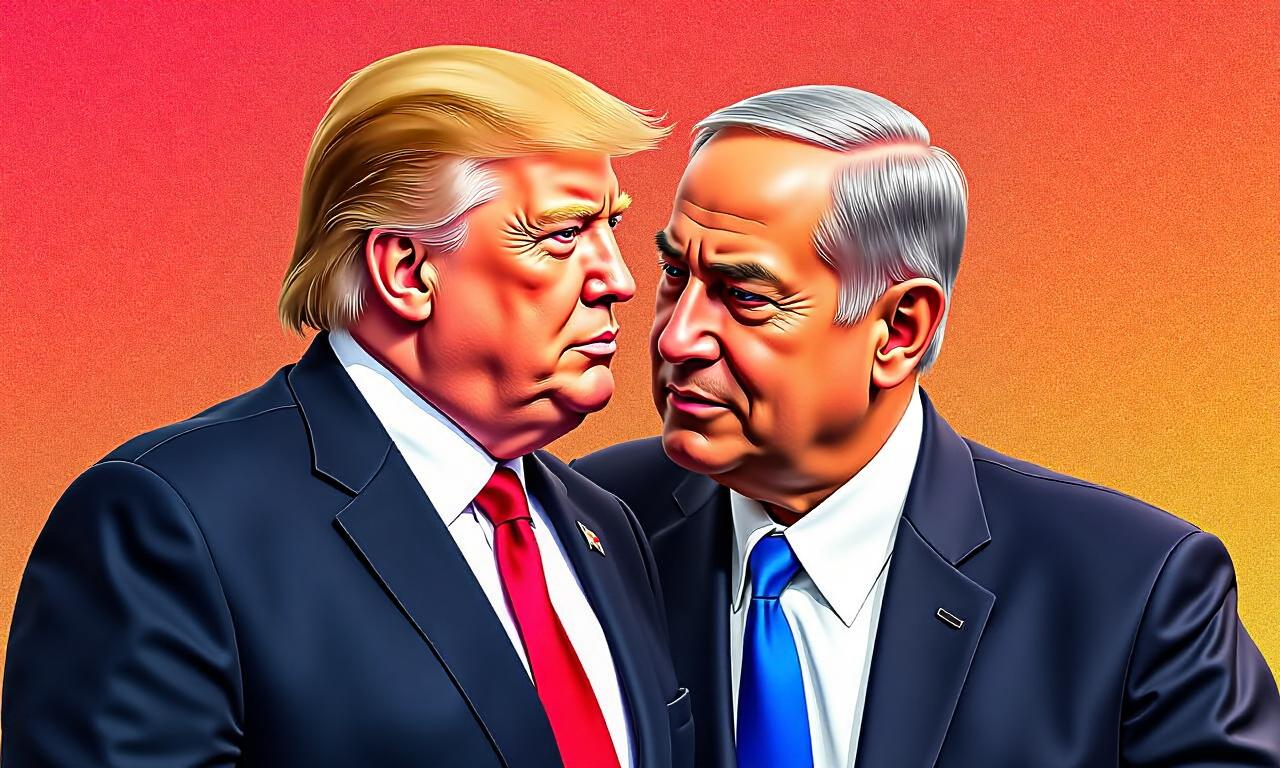
Bowen: Trump and Netanyahu’s Middle East Permacrisis
The Ambitious Vision
Ninoda.com – Bowen, a pivotal figure in the evolving Middle East conflict, has highlighted the strategic shift initiated by Donald Trump and Benjamin Netanyahu. Their plan was to weaken Iran through military and diplomatic means, aiming to reshape the region’s political landscape. However, recent events have cast doubt on the feasibility of their goals, revealing a complex web of alliances and resistance. The initial optimism about swift victories has given way to concerns about a protracted stalemate, as the two leaders’ ambitions clash with the region’s enduring challenges.
The Impact of the Apache Incident
Bowen noted the significance of the US Apache helicopter being shot down by Iran as a turning point in the conflict. This incident, which occurred during a critical phase of the campaign, exposed the vulnerabilities in the coalition’s strategy. Despite the attack, the crew’s survival underscored a measured response, reflecting the administration’s desire to avoid escalation. The event has since been used by Iran to rally support and assert its defiance, marking a shift in the narrative from one of American dominance to a more balanced power struggle.
“The hour of your freedom is at hand,” said Trump, echoing sentiments that had fueled his campaign. “We will take over your government. This will be your only chance for generations.”
Bowen observed that this rhetoric, while bold, failed to account for Iran’s deep-rooted resilience. The country’s leadership has demonstrated an ability to withstand external pressures, keeping the conflict from spiraling into a decisive victory for either side. The Apache incident became a symbol of this enduring resistance, as Iran’s ability to strike at American forces highlighted its strategic importance in the region.
Leadership and Regional Influence
Bowen emphasized Netanyahu’s long-standing belief in the power of military action to reshape the Middle East. The Israeli leader had positioned himself as a key player in the coalition, leveraging Trump’s support to amplify his vision of a stronger regional stance. Yet, the prolonged conflict has forced a reassessment of this approach. Bowen pointed out that while the initial strategy aimed for quick results, the reality has shown that lasting change requires more than just military might—it demands political maneuvering and economic stability.
“This coalition allows us to do what I have yearned for 40 years: smite the terror regime,” Netanyahu declared. “We shall do it.”
Bowen argued that the leaders’ confidence in their plan was misplaced, as the war’s complexity has outgrown their initial assumptions. The current situation in the Middle East is marked by a mix of military confrontations, diplomatic negotiations, and economic pressures, all of which have contributed to the emergence of a permacrisis—one that may persist for years without a clear resolution.
The Path to a Permacrisis
Bowen analyzed the trajectory of the conflict, noting how the initial goal of reshaping the region has transformed into a prolonged struggle. The US and Israel’s approach, which combined military strikes with diplomatic overtures, has inadvertently created a situation where neither side can claim a definitive victory. This dynamic has allowed Iran to maintain its influence, while also drawing support from other regional actors who see an opportunity to challenge Western dominance.
With the ongoing conflict, Bowen stressed that the Middle East is now caught in a cycle of tension and uncertainty. The region’s stability has become increasingly fragile, as the war has deepened divisions and heightened fears of further escalation. The international community, including countries like Saudi Arabia and Turkey, is closely monitoring the situation, with some advocating for a negotiated settlement and others pushing for continued military pressure. This multifaceted approach ensures that the conflict will likely persist for the foreseeable future.
A Changing Landscape
Bowen’s insights suggest that the Middle East is entering a new era defined by persistent conflict and shifting alliances. The initial strategy of Trump and Netanyahu to weaken Iran has given way to a more nuanced understanding of the region’s complexities. While the war has not ended, it has sparked a reevaluation of the strategies employed to achieve long-term goals. The leaders’ visions of a reshaped Middle East now face the challenge of navigating an era where rapid change is no longer guaranteed.
“The war is not just about defeating Iran,” Bowen remarked. “It’s about redefining the balance of power in a region that has always been unpredictable.”
The recent developments, including the Apache incident, have served as a catalyst for this redefinition. As the conflict continues, the focus is shifting from immediate military victories to sustained influence and long-term diplomatic engagement. This evolution signals a deeper understanding of the Middle East’s enduring challenges, even as the path forward remains uncertain.
Conclusion
Bowen’s analysis underscores the importance of adapting strategies in the face of prolonged conflict. The initial ambitions of Trump and Netanyahu to reshape the Middle East have been tempered by the realities of the region’s resilience and complexity. While the war may not have achieved its original objectives, it has set the stage for a new era of Middle Eastern politics, where stability is fragile and power dynamics are in constant flux. The permacrisis, as Bowen describes it, is not a sign of failure but a reflection of the region’s evolving nature.