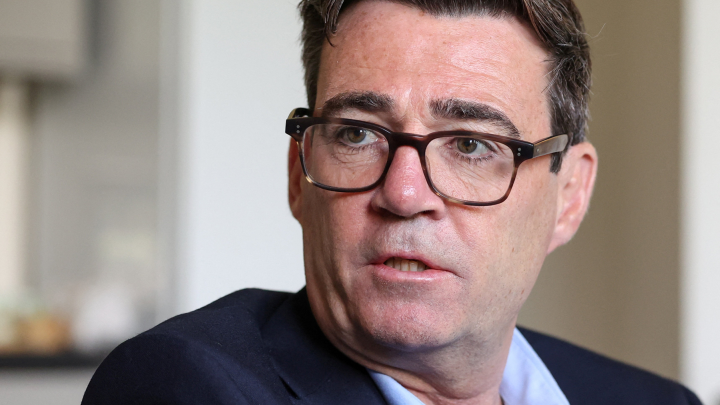
Five headaches Andy Burnham will have to deal with as PM


Five Headaches Andy Burnham Will Face as Prime Minister
Ninoda.com – Andy Burnham’s tenure as Prime Minister will be defined by a series of pressing challenges, including the urgent need to stabilize the disability benefits system, address growing defense spending demands, and reform an increasingly strained social care framework. These issues, collectively referred to as the five headaches Andy Burnham will have to deal with as PM, highlight the complex fiscal and policy landscape he will navigate. As the leader of the Labour Party, Burnham will be under pressure to balance competing priorities while maintaining public confidence in his ability to deliver sustainable solutions.
The Disability Benefits System Under Strain
One of the most immediate challenges Burnham will face is the rising cost of disability-related welfare payments. The pandemic triggered a sharp increase in sickness and disability claims, pushing annual expenditures to £58bn for working-age individuals. Projections indicate this could balloon to £78bn by 2030, driven by a surge in Personal Independence Payments (Pips) applications. Over five million people are expected to rely on Pips in the coming years, with a significant portion of new claims coming from younger recipients citing mental health or neurodevelopmental conditions such as ADHD.
“Pip is not fit for purpose,” noted Sir Stephen Timms, the disability minister, in a joint report with advocacy groups. The interim findings suggest that structural overhauls are necessary to address systemic flaws, though Burnham may face pushback from both disability organizations and Labour MPs if reforms are perceived as unfair. His task will be to implement these changes without compromising support for vulnerable citizens, making this a critical issue in his first year as PM.
The problem is compounded by the Conservative government’s previous efforts, which failed to curb costs despite attempts to streamline the system. Burnham’s strategy will require not only fiscal prudence but also political deftness to reconcile the demands of advocates, taxpayers, and the broader electorate. The success of this reform will directly impact his credibility as a leader committed to addressing social inequalities.
Defense Spending Targets and Budget Pressures
Another significant headache for Burnham will be the pressure to meet rising defense spending commitments. After a one-year delay, Starmer’s government unveiled the Defence Investment Plan in June, aiming to increase defense expenditure to 2.7% of GDP by 2030. This target, however, faces scrutiny as critics argue it lacks full funding, forcing cuts from other public services. Burnham will need to push for a higher target, potentially raising it to 3% by 2030, to align with the NATO goal of 3.5% by 2035. The additional £9bn required for this shift could strain the national budget, demanding innovative financing strategies.
“This is a major headache for Burnham,” said John Healey, the former defense secretary, who has advocated for increased funding. The challenge lies in securing the necessary £24bn annually without raising taxes or diverting resources from other essential sectors. Burnham’s ability to negotiate this balance will determine how effectively he can address both national security and domestic priorities, all while keeping his administration’s fiscal promises intact.
With the global security environment evolving rapidly, the defense establishment is pushing for greater investment in modernization and readiness. Burnham must ensure that the reforms he implements are not only adequate but also transparent, as public scrutiny of defense spending has intensified in recent years. This issue will require strategic communication to avoid perceptions of wastefulness or neglect.
Social Care System in Crisis
England’s social care system, which has long been a source of frustration for families and caregivers, will be another major challenge for Burnham. Managed primarily by private providers rather than the NHS, the sector faces chronic underfunding and inefficiencies that leave millions of older adults without adequate support. Approximately two million individuals currently struggle with unmet care needs, with around 10% facing lifetime costs exceeding £100,000. Burnham has described this as a “broken” system, but his earlier proposals as health secretary under Gordon Brown were scrapped during Labour’s 2010 election loss.
“It’s a broken system,” Burnham stated in a recent speech, emphasizing the need for urgent intervention. His 2010 plan for a state-funded cap on lifetime care costs—around £35,000—was backed by Conservative ministers but never enacted. The current debate over funding models, including a potential shift toward a mixed system, will test Burnham’s ability to rebuild trust in public services while managing the financial burden on the treasury.
As the five headaches Andy Burnham will have to deal with as PM continue to unfold, his administration will need to address these issues with both speed and clarity. The social care crisis, in particular, reflects broader concerns about the sustainability of welfare programs and the need for long-term solutions that avoid repeating past mistakes.
Fiscal Balancing Act and Public Trust
Burnham’s leadership will also be scrutinized for his ability to manage the nation’s finances effectively. The combination of rising disability and social care costs, alongside defense commitments, creates a complex web of fiscal pressures. His approach to balancing these demands will shape public perception of his economic competence. If he fails to address these challenges, it could fuel criticism from both the opposition and within his own party, further complicating his political position.
The five headaches Andy Burnham will have to deal with as PM are not isolated issues but interconnected problems that require coordinated policy solutions. For example, reforms to the disability benefits system could reduce long-term costs by encouraging employment, while social care improvements might alleviate pressure on the NHS. Burnham’s success will depend on his ability to integrate these strategies and demonstrate progress to a public eager for change.