Anguished families left to identify Venezuela quake victims at makeshift morgue

Distraught Families Tackle Identification of Earthquake Victims at Temporary Morgue
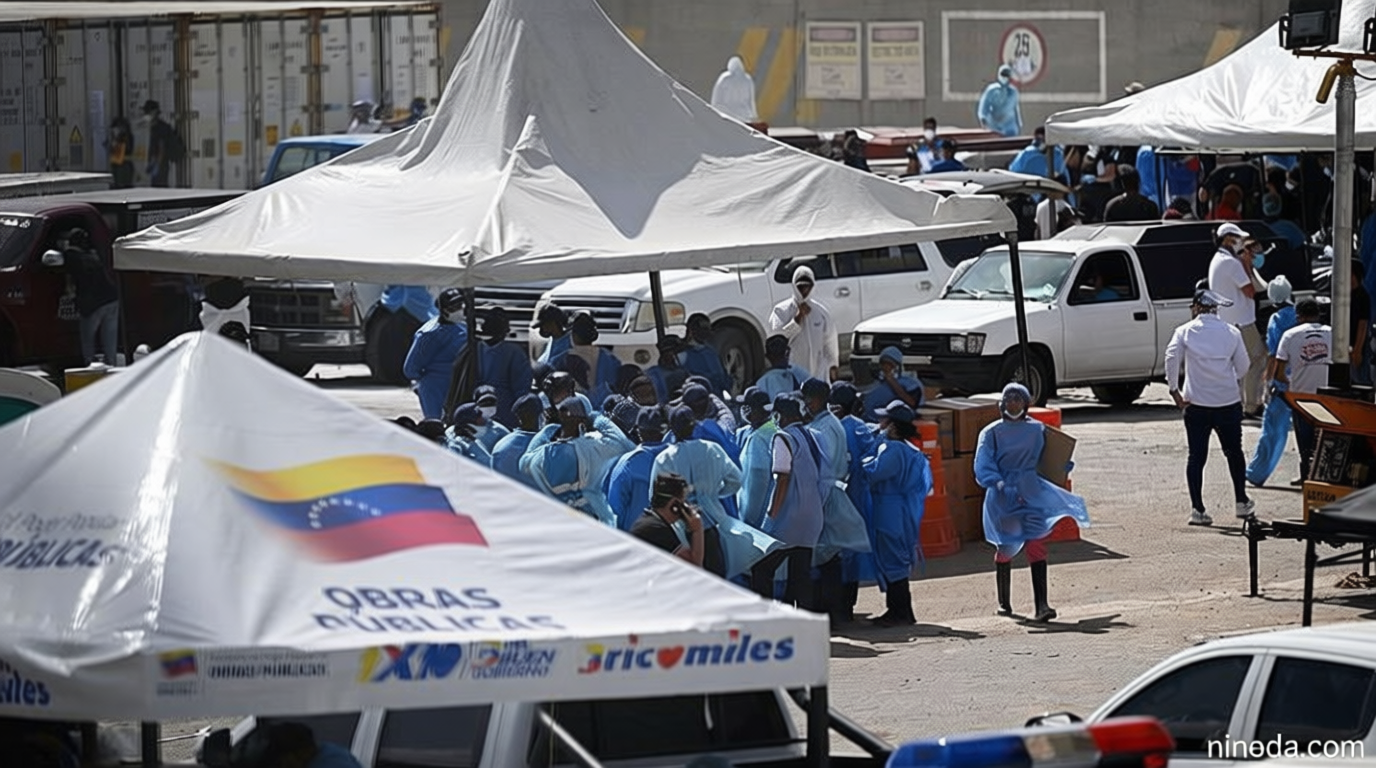
Ninoda.com – More than two weeks after a series of powerful earthquakes devastated Venezuela, families in La Guaira continue to grapple with the grim task of identifying loved ones at a converted port storage facility serving as a makeshift morgue. The site, known as Los Silos, has become a focal point for sorrow, where relatives endure prolonged waits, often having combed through hospitals, shelters, and rubble for days without success.
With over 2,600 confirmed deaths, local authorities struggle to manage the crisis. Infrastructure has crumbled, leaving bodies exposed to the sun or stored in temporary tents. The relentless heat accelerates decomposition, making it difficult to distinguish between the deceased. Amid this chaos, volunteers and officials work to recover and document remains, relying on makeshift tools and improvised methods.
A Tumultuous Process
Inside Los Silos, the air is thick with the scent of decay. Families move cautiously, some clutching masks to shield themselves, while others simply stare at the rows of bodies wrapped in plastic. A few meters away, soldiers from the Bolivarian Armed Forces monitor the area, maintaining order in a scene of collective despair.
“I’m afraid of what I’ll find inside, but it’s the only way to end this unbearable pain,” says a woman stepping through the gate. She has searched for her nephew for nearly a week, scouring every corner of the city without answers.
Identification relies on fragmented clues—clothing, jewelry, or even dental records. A tent nearby offers immediate cremation, while forensic teams use meticulous comparisons to match victims. For many, the process is a silent battle, with families huddled around screens displaying body images, hoping to catch a familiar face.
A Moment of Recognition
One family’s story stands out. Liliana González, a 60-year-old resident of Catia La Mar, arrived seeking her aunt but ultimately recognized her 37-year-old nephew through a tattoo. “He wasn’t on the list,” she explains. “I had to look at the images. I saw my mum when she died, but this… this isn’t the same.”
Not all are able to enter the morgue. Modesta Alemán, 56, traveled from Carayaca to find her sister Matilde, who lived in Playa Grande, one of the hardest-hit zones. “They told us there were no survivors,” she says. “But we heard voices calling from the building—just no one could reach them.” Modesta waits outside, relying on others to confirm her sister’s fate. “Maybe it’s better this way,” she admits, “the process can take hours.”
Once a body is identified, fingerprints are collected, and arrangements for transport begin. Yet the emotional toll lingers, as families face the reality of loss in a setting that feels both clinical and deeply personal. The makeshift morgue remains a symbol of the nation’s struggle to recover from the tragedy.