
South Africa plans new rules for ex-leaders’ foreign trips
Ninoda.com – The government is moving forward with fresh regulations that will govern how former presidents travel overseas. These proposed measures aim to increase transparency and accountability when ex-heads of state conduct international visits. The initiative follows considerable public discussion sparked by Jacob Zuma’s recent journey to India, which raised questions about protocol and propriety in diplomatic engagements.
Context Behind the Proposed Changes
Foreign Affairs Minister Ronald Lamola has outlined comprehensive recommendations that would require former leaders to submit detailed information about planned overseas visits. Under the new framework, ex-presidents would need to provide full details on upcoming trips for an informed assessment of the appropriate level of support required and any associated reputational, political, diplomatic or security risks.
The minister presented these proposals to both parliament and the president’s office during a recent briefing. The proposed guidelines would apply to all former heads of state, not just those currently active in politics. Officials believe the changes will help prevent situations where international travel could create diplomatic complications or appear to contradict official government positions.
The India Visit That Sparked Debate
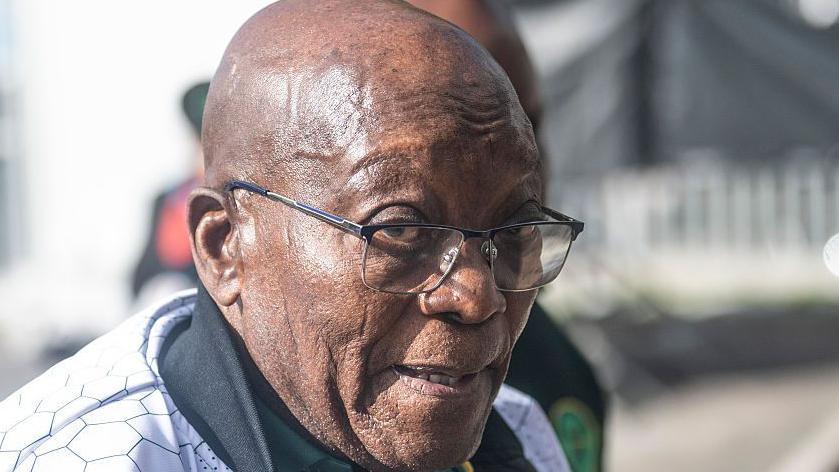
Last month, Zuma traveled to India where he was photographed meeting Ajay Gupta at a local temple. The 84-year-old politician was captured alongside Gupta, one of the businessmen central to the corruption scandal that ultimately contributed to the downfall of Zuma’s administration. South Africa’s high commissioner to India, Anil Sooklal, was also seen with the pair during the visit and has since been recalled from his post, though he maintains he committed no error.
The encounter prompted criticism from within the government, with one minister characterizing Zuma’s actions as showing the “middle finger” to the country. This incident highlighted concerns about former leaders maintaining close ties with controversial figures while abroad.
Historical Background on the Gupta Connection
Approximately ten years ago, the Gupta brothers—Atul and Rajesh—faced accusations of leveraging their close relationship with then-President Zuma to benefit financially and shape national policy. Both sides rejected any allegations of impropriety.
In 2018, the Gupta family departed the country following the establishment of a judicial commission to examine claims of massive fraud, commonly referred to as “state capture.” The commission’s 2022 findings revealed that Zuma had appointed and dismissed key ministers overseeing the country’s economy based on the Gupta family’s requests.
Authorities subsequently withdrew their arrest warrant for Ajay Gupta. Meanwhile, Atul and Rajesh Gupta relocated to the United Arab Emirates, where a court in 2023 rejected the extradition request.
Zuma’s Current Political Position
Zuma has since been removed from the African National Congress, the party he previously led, and now directs the opposition uMkhonto we Sizwe (MK) party. This is not the first occasion when his international travels have generated friction.
During the previous year, Zuma journeyed to Morocco where he publicly endorsed that North African nation’s position on the contested Western Sahara territory—a stance that contradicts official government policy. While traveling as MK leader, Zuma was photographed standing before the national flag while discussing Western Sahara with Morocco’s foreign minister. The visit led to a formal diplomatic protest.
What the New Rules Mean for Citizens
The proposed regulations represent a significant shift in how former leaders’ international engagements will be managed. Government officials emphasize that the changes are designed to ensure consistency and prevent potential diplomatic incidents. The framework will also help determine appropriate levels of support, including security arrangements and official representation, for each trip.
Parliamentary committees are expected to review the proposals in detail before final implementation. Citizens can expect greater transparency regarding the costs and purposes of ex-leaders’ overseas journeys under the new system.
Frequently Asked Questions
When will the new rules take effect?
The regulations are currently under review by parliamentary committees. Implementation is expected within the next six to twelve months, depending on legislative approval and any necessary amendments.
Do the rules apply to all former presidents?
Yes, the proposed guidelines will apply to all former heads of state, regardless of their current political involvement or party affiliation.
What information must ex-leaders provide?
Former presidents will need to submit details including the purpose of the visit, destinations, duration, expected costs, and any planned meetings with foreign dignitaries or business figures.
Will there be consequences for non-compliance?
The government has indicated that failure to follow the new protocols could result in reduced official support and potential diplomatic repercussions for the country.
For additional coverage of developments across the African continent, readers may visit BBC Africa. Updates are also available on Twitter @BBCAfrica, Facebook at BBC Africa, and Instagram at bbcafrica.