Australia probes mystery space balls that washed up on beach

Australia probes mystery space balls that washed up on beach
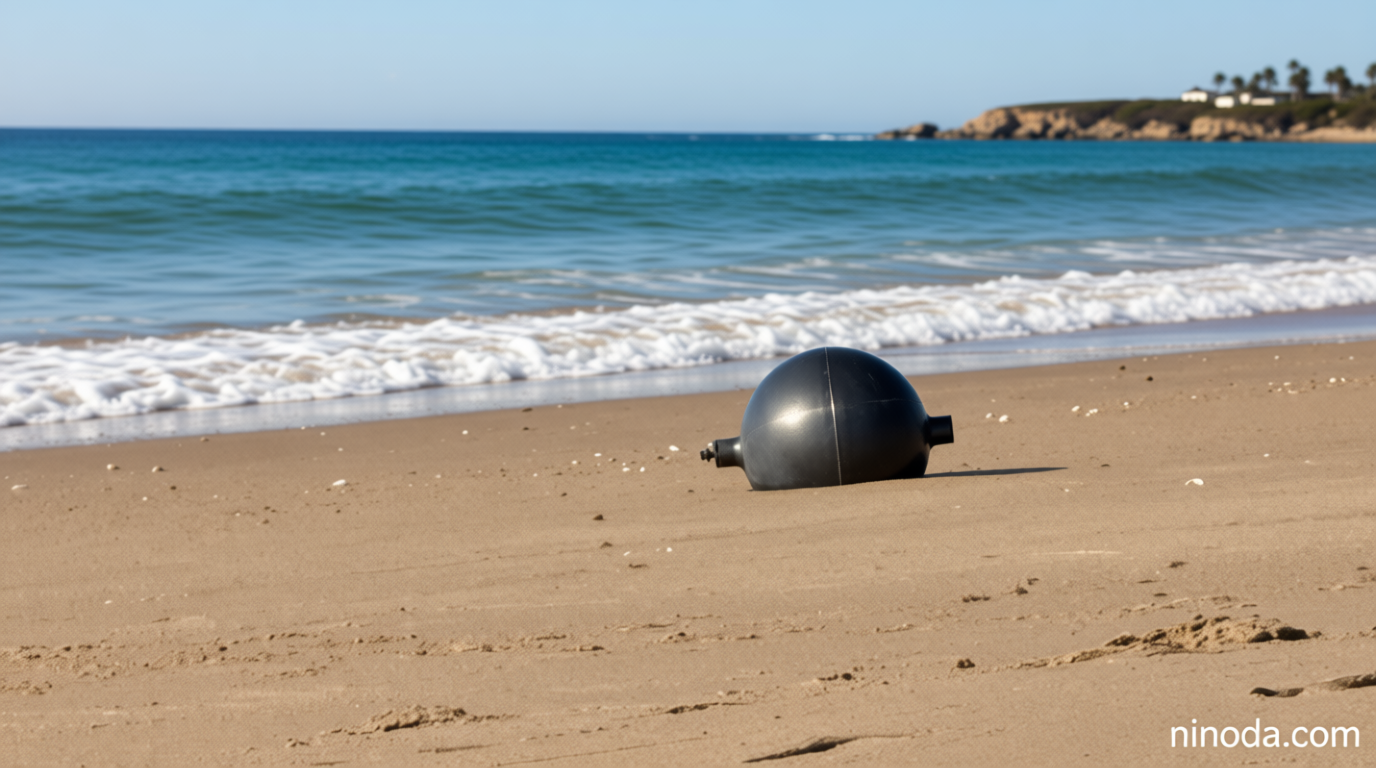
Ninoda.com – Authorities in Queensland are intensifying their investigation into a puzzling discovery of large, solid spheres that washed ashore on a remote beach near Townsville. These unusual objects, initially identified as potential space debris, have sparked widespread curiosity and concern among locals and experts alike. The Australian Space Agency (ASA) is collaborating with marine and environmental officials to determine the spheres’ origin, as they may be remnants from a recent space mission or an unknown source. The event has highlighted the growing presence of space-related materials on Earth’s shores, raising questions about how such debris reaches our oceans and coastlines.
Details of the discovery and public response
The six spherical objects, each measuring approximately 1.5 meters in diameter and weighing several hundred kilograms, were first spotted by beachgoers during a routine walk along the shoreline. Their metallic sheen and smooth, almost artificial texture set them apart from natural rock formations, prompting immediate reports to local authorities. While no immediate threats were identified, the objects’ enigmatic appearance led to the establishment of a 50-meter exclusion zone to ensure public safety. Emergency services have since taken samples for analysis, and the area remains under surveillance as officials await further findings.
Scientific and technical analysis underway
Experts are examining the spheres using advanced imaging and material testing to confirm their composition. Preliminary assessments suggest they could be fragments of rocket boosters or spacecraft components, though definitive answers are still pending. The Australian Space Agency is working alongside international space debris databases to cross-reference any matching records. One theory under consideration is that the objects are part of a satellite or spacecraft that disintegrated during re-entry, with some debris surviving the atmospheric burn and settling on the beach. Others speculate they might be part of a more recent launch, possibly from a foreign space agency, given their size and construction.
“The objects are unlike anything I’ve seen before. Their symmetry and material composition hint at a high-tech origin, but we need to rule out all possibilities before drawing conclusions,” stated Dr. Elena Hart, a space debris specialist at the University of Sydney, in an interview with the ABC.
Meanwhile, the Australian government has launched a public awareness campaign to educate residents about the risks of space debris. While the spheres are not believed to be radioactive or explosive, their potential to contain hazardous materials, such as fuels or propellants, is being closely evaluated. This incident underscores the need for improved tracking systems to monitor debris falling from orbit, especially as global space activity continues to increase.
Historical precedents and global context
Similar occurrences have been documented in other parts of the world, reinforcing the idea that space debris is a growing environmental concern. For instance, in 2023, India confirmed the presence of a giant metal dome near Perth, which was identified as a component of its Polar Satellite Launch Vehicle (PSLV) rocket. In 2011, a spherical object resembling a rocket fuel tank was found in Namibia’s grasslands, later linked to a defunct satellite. These cases demonstrate that space debris can travel vast distances before landing on Earth, often reaching remote areas where it is least expected.
Scientists have long warned about the accumulation of space junk in Earth’s orbit, with estimates suggesting over 500,000 tons of debris currently circling the planet. While most of this debris burns up upon re-entry, larger fragments can survive and impact the ground. The Australian discovery adds to a growing list of such incidents, with researchers emphasizing the importance of tracking these objects to prevent potential hazards. The ASA is now reviewing data from recent satellite launches to identify any possible matches with the spheres found on the beach.
Community engagement and media coverage
The event has generated significant public interest, with local media outlets and social platforms abuzz with theories and speculation. Residents have shared photographs and videos of the spheres, while online forums have debated their origin, with some suggesting they could be alien technology or remnants from a secret space program. However, experts caution against overhyping the findings, stressing that the evidence so far points to a human-made source rather than extraterrestrial origins. Nevertheless, the mystery has captured the imagination of many, sparking a renewed conversation about the intersection of space exploration and environmental impact.
Authorities have also invited public input through a dedicated website, encouraging anyone who has seen the spheres or noticed similar objects to report their findings. The initiative aims to gather additional data and engage the community in the scientific process. As the investigation continues, the focus keyword “Australia probes mystery space balls” remains central to the narrative, with updates expected in the coming days as more analysis is completed. This case serves as a reminder of the importance of vigilance in monitoring the skies and seas for traces of our growing presence in space.