How Iran’s new regime is very different to what came before

How Iran’s New Regime is Very Different from What Came Before
Ninoda.com – How Iran’s new regime is very different from what came before. The recent political upheaval in Iran has marked a pivotal shift in the nation’s leadership, with the death of Ayatollah Ali Khamenei over four months ago serving as a catalyst for change. This transition, following a devastating US-Israeli airstrike, has not only weakened the old guard but also redefined the country’s strategic direction. The new regime, emerging from a period of internal strife and external pressure, now faces the challenge of stabilizing a region still reeling from conflict and uncertainty.
The Iran deal, often compared to the Treaty of Versailles, has sparked debates about its long-term implications. While the 1919 agreement reshaped Europe by imposing harsh penalties on Germany, the current accord has a different scope, focusing on nuclear proliferation and regional alliances. Three weeks after the agreement was signed, tensions persist, with skirmishes near the Strait of Hormuz and unresolved issues threatening to reignite hostilities. How Iran’s new regime navigates these challenges will determine whether it can secure lasting peace or trigger another chapter of Middle Eastern instability.
Transition of Power and Its Implications
The fall of Ayatollah Ali Khamenei has set the stage for a new era in Iran’s governance. His death, orchestrated by a joint US-Israeli operation, not only removed a central figure of the Islamic Republic but also signaled a broader realignment of power. The country’s top leadership, now under new faces, is expected to adopt policies that reflect evolving priorities. How Iran’s new regime approaches international relations, economic sanctions, and domestic policies will distinguish it from its predecessors, potentially altering the dynamics of regional politics.
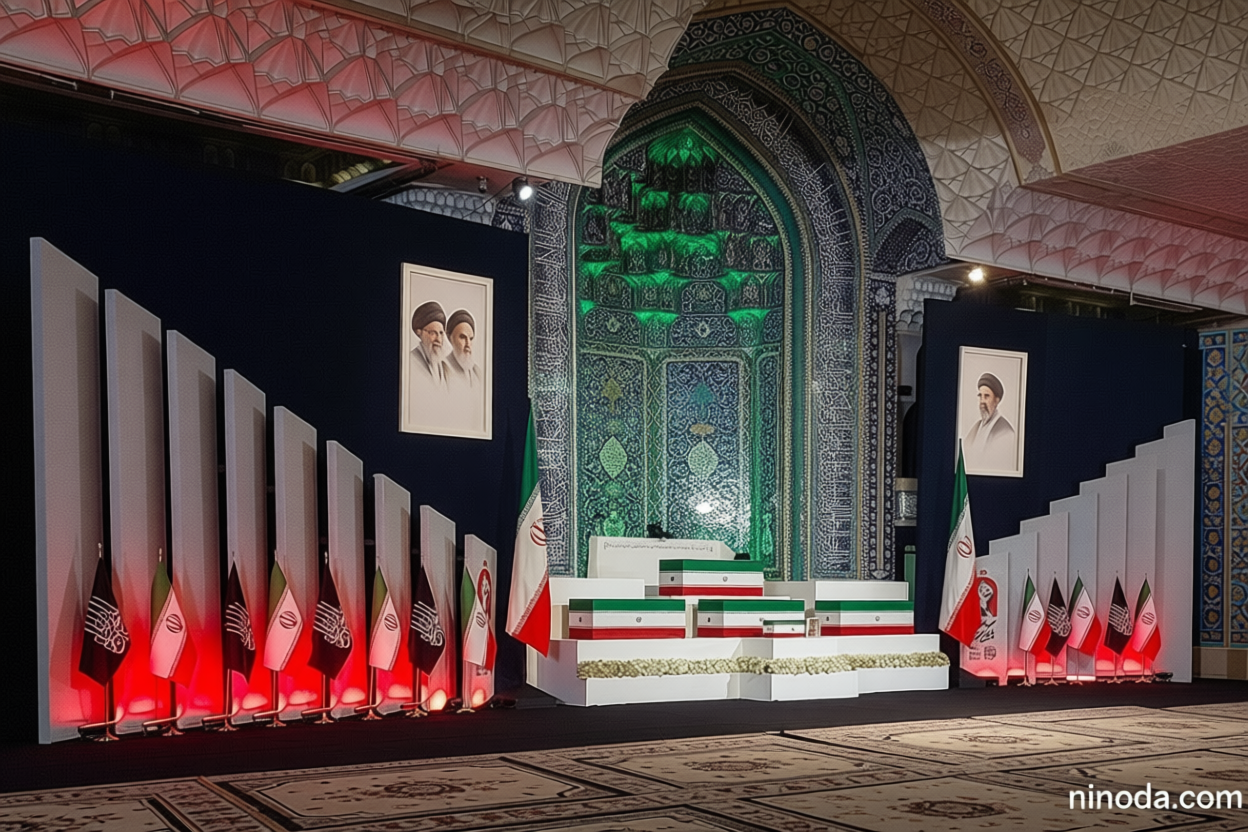
Khamenei’s passing has been commemorated with a week-long funeral procession, a poignant reminder of his symbolic role in Iranian society. While the old regime’s influence wanes, the new leaders may bring fresh strategies to counter external pressures. This shift in authority has sparked speculation about whether the new regime will prioritize diplomacy, military expansion, or a blend of both. How Iran’s new regime balances these elements could define its legacy in the Middle East.
Context of the Conflict and Regional Impact
Months before the leadership transition, Iran grappled with widespread protests that highlighted economic despair and dissatisfaction with the existing system. These demonstrations, fueled by years of sanctions and a 12-day war with the US and Israel, underscored the nation’s fragility. Despite these challenges, Iran’s nuclear program endured, though its uranium stockpile—estimated to be sufficient for 10 to 11 atomic weapons—remained a subject of international concern. How Iran’s new regime responds to these pressures will shape its role in the region’s future.
The new regime’s resilience is also tested by the setbacks faced by its allies in the Middle East. In Syria, the Assad government, a close Iranian partner, fell in the final weeks of 2024, while Israel’s strikes eliminated key Hezbollah leaders in Lebanon. In Gaza, Hamas was decimated after its attacks in October 2023, and Houthi rebels in Yemen continued to challenge Israeli interests. These developments have forced How Iran’s new regime to reassess its alliances and strategic objectives, emphasizing adaptability in an unpredictable landscape.
As the international community watches closely, the new regime’s actions are seen as a critical indicator of Iran’s future trajectory. The United States and its allies have framed the Iran deal as a way to curb nuclear ambitions, but How Iran’s new regime may leverage this agreement to strengthen its position. With a renewed focus on regional influence and internal stability, the country is poised for a transformative period that could redefine its relationship with the global powers.
How Iran’s new regime also faces the task of addressing domestic discontent. The economic hardships that fueled the recent protests remain unresolved, and the population continues to demand reforms. While the regime has shown resilience, its ability to maintain control will depend on its capacity to implement policies that address these grievances. The balance between authoritarian measures and concessions to public sentiment will be a defining test for How Iran’s new regime in the coming months.