Resistance and revenge – Iran wanted to send a message with its farewell to Khamenei

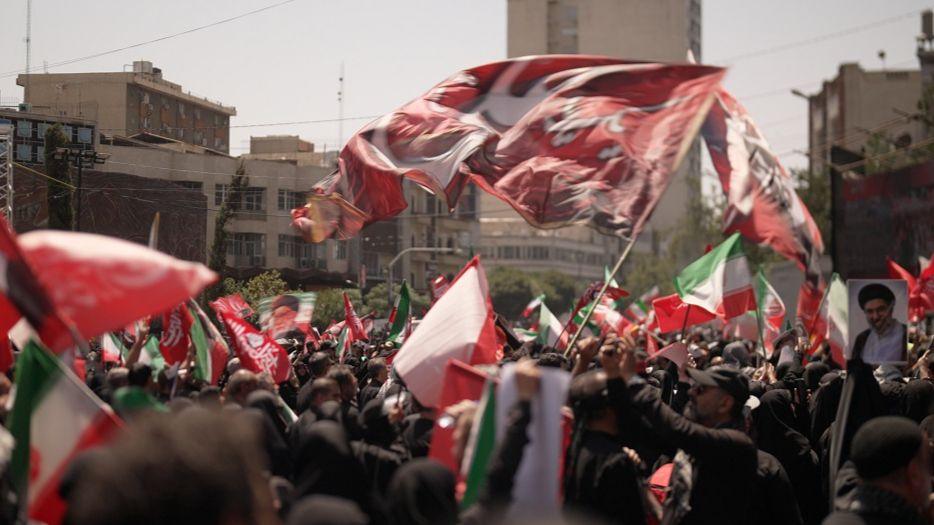
Table of Contents
Iran’s Farewell Ceremony: A Political Statement Amidst Strain
Ninoda.com – Tehran’s three-day mourning period for its deceased supreme leader culminated in a grand political display, one the current administration hoped would resonate globally. A massive funeral procession, bearing the coffins of Ayatollah Ali Khamenei and four family members, traversed a 10km route, frequently halting due to the overwhelming presence of mourners—among the largest gatherings in recent memory. This week’s events, marked by meticulously planned ceremonies, were intended to convey themes of defiance and retribution.
Contrasting Attitudes in the Crowd
While millions participated, some stayed away, reflecting frustration over recent challenges. The nation grapples with two wars in under a year, inflation nearing 80%, and the aftermath of January’s anti-government demonstrations. A man near a “mookeb,” one of the city’s rest stations offering free food and water, expressed dissent. “I won’t attend the funeral,” he said. “Many are unemployed and deeply discontent.” He cited Khamenei’s leadership as a catalyst for the security crackdown that claimed thousands of lives.
“Of course I’m not going to the funeral,” one man told us outside one of the many “mookebs”, the rest stations set up in the city and on its outskirts to provide free food and water, most of it from private donations. “Many people don’t have work and are so unhappy,” he explained.
Symbolism in the Procession
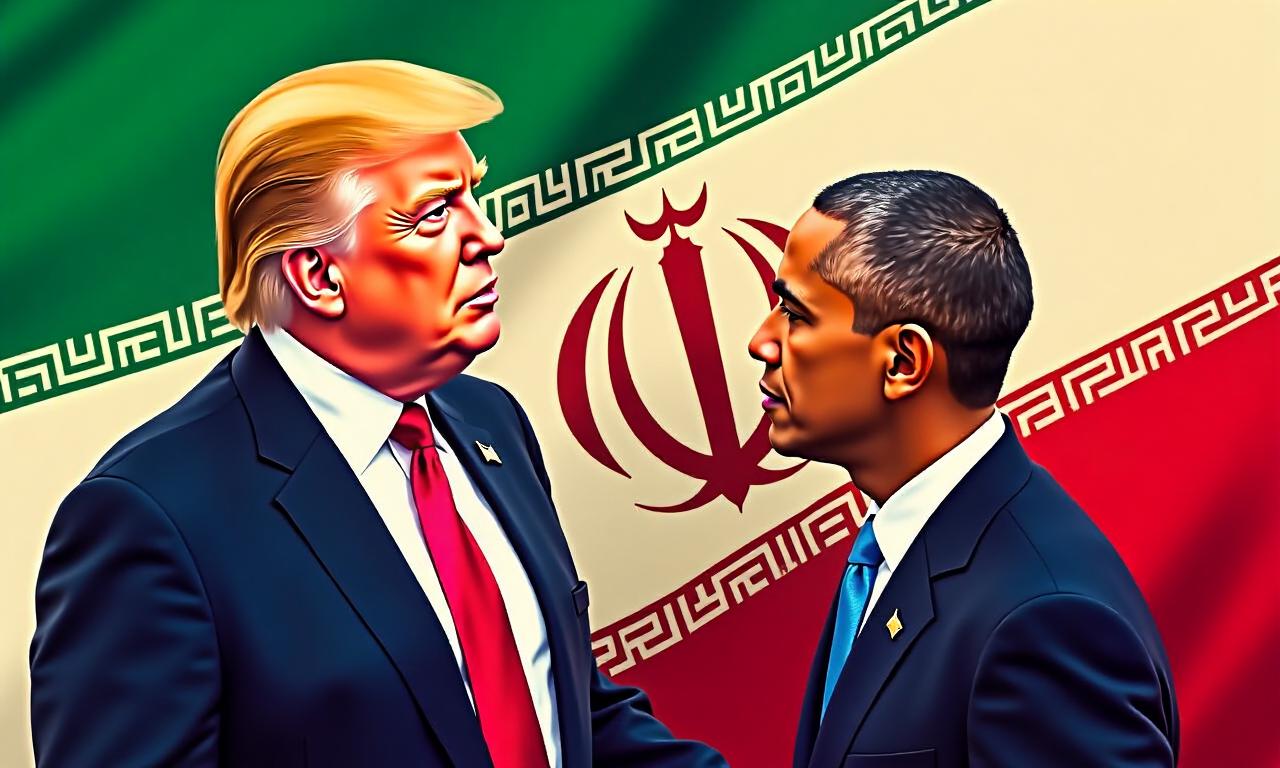
Aerial views of Monday’s march revealed Tehran’s main street swarmed with loyalists, their grief palpable as they chanted slogans like “death to America” and “death to Israel.” Iran’s President Masoud Pezeshkian asserted that the displays “show the world this truth,” countering U.S. President Donald Trump’s claim of “fake tears.” The event aimed to elevate Khamenei beyond a national leader, portraying him as a transcendent figure of Shia Islam and global political authority, according to Mohammad Eslami of Tehran University.
Legacy Under Scrutiny
Yet, his legacy faces criticism. Karim Sadjadpour, author of *Reading Khamenei*, noted that “the revolution he preserved was for a world no longer existing.” The funeral’s visual elements, such as the green, red, and white caskets adorned with Islamic script, underscored the symbolic weight of the occasion. A flatbed truck, decorated with intricate latticework, carried five caskets, including the smallest for Khamenei’s 14-month-old granddaughter Zara. All were victims of Israeli-American airstrikes on February 28, the first days of the war.
“The funeral proceedings are designed to frame him as more than a national leader but a transcendent religious and political figure whose authority extended across the Muslim world, and particularly Shia Islam,” observed Mohammad Eslami, research fellow at Tehran University.
Messages for the Global Stage
Religious flags, representing blood and martyrdom, amplified calls for vengeance. Posters in English singled out Trump as the primary symbol of the enemy, held aloft by foreign journalists granted rare access. An Iranian messaging app encouraged supporters to chant slogans like “Our revenge is inevitable” and “They will pay. Hard.” Mojtaba, a gray-haired man, declared to the media: “I want to say one sentence to President Trump and the world. Soon, very soon, you will see signs of revenge at the top of the White House, and soon the color of the White House will be the color of my red flag.”
“I want to say one sentence to President Trump and the world,” declared a grey-haired man named Mojtaba, who came to us saying he had a message. “Soon, very soon you will see signs of revenge at the top of the White House, and soon the colour of the White House will be the colour of my red flag.”
Balance in the Narrative
Despite the fervor, the government acknowledged a mix of perspectives. A senior official noted that some calls for retribution were “just ritualistic,” yet admitted the anger was genuine among hardliners opposing the recent U.S. deal. As Iran’s new leaders navigate economic crises, they must continue negotiations to ease sanctions and unfreeze assets. Government supporters, in their welcoming crowds, engaged foreign journalists, including 400 social media influencers, to ask “where are you from?” and urge them to “tell the truth.”
Even in the throng, dissenting voices emerged. Two young Iranian women, dressed in black cloaks typical of female mourners, shared a quiet observation: “The real voice…”
Next Steps in the Ceremony
The mourning events will proceed to sacred Shia sites, such as Qom, on Tuesday, followed by Najaf and Karbala in Iraq. The final rites will take place on Thursday at the Imam Reza Shrine in Mashhad, Khamenei’s birthplace and Iran’s holiest city. The procession seeks to immortalize him as a leader whose influence transcends borders, even as debates over his impact persist.