More than 1,000 arrested as part of global human trafficking crackdown

Global Human Trafficking Crackdown Results in Over 1,000 Arrests
Ninoda.com – More than 1,000 arrests were made during a coordinated global operation targeting human trafficking networks, marking a significant step in the fight against modern slavery. Conducted between June 8 and 12, this initiative involved law enforcement agencies from 59 countries working in unison to dismantle criminal structures that exploit vulnerable individuals. The effort, dubbed Operation Global Chain, deployed over 40,000 officers across Africa, the Americas, Asia, and Europe, focusing on sexual exploitation, forced labor, and criminal coercion. The campaign not only led to a large number of arrests but also uncovered critical insights into the evolving tactics used by traffickers, highlighting the need for continuous adaptation in anti-trafficking strategies.
The Scope of the Operation
With a focus on the global scale of human trafficking, the operation revealed the interconnected nature of these networks, which often span multiple continents. Authorities identified 2,070 victims or potential victims, with the majority being women, underscoring the gendered impact of trafficking. A significant portion of the arrests—334—were directly tied to human trafficking, while 690 others were linked to related offenses such as document fraud and drug trafficking. This indicates that human trafficking is frequently intertwined with other organized crime activities, requiring a multifaceted approach to address all aspects of the problem. The crackdown also exposed new patterns, including an increased reliance on Latin American victims for forced labor in European countries, as well as the exploitation of minors in the Americas for sexual purposes.
Key Cases and Regional Efforts
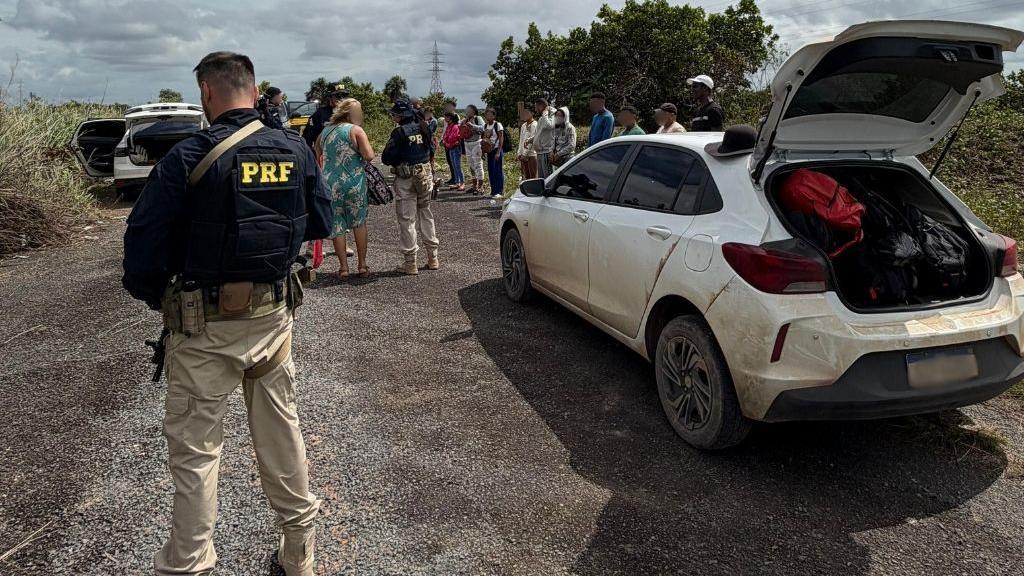
Among the notable successes was Brazil’s Federal Police, which uncovered a transnational network trafficking victims to Cambodia for online scamming. This case alone accounted for 406 individuals identified, with 83 being Brazilian nationals and the remaining 323 foreign citizens. In Colombia, a prevention campaign centered around airports raised awareness about fraudulent job offers, helping to intercept potential victims before they were lured abroad. Meanwhile, Argentinian police rescued two Bolivian child victims who had been forced into labor in a local grocery store, illustrating the devastating impact on young individuals. Belgium’s authorities dismantled a network that leveraged social media to recruit victims, funneling them into prostitution rings that operated across Belgium and France. These examples demonstrate the diverse methods traffickers use to exploit individuals, from digital recruitment to physical coercion, and the varied strategies required to counter them.
The Role of International Collaboration
Interpol played a central role in coordinating the operation, emphasizing the importance of cross-border collaboration in combating human trafficking. The agency issued notices targeting 17 suspects arrested in Belgium, as well as others under investigation, showcasing how intelligence-sharing between nations can lead to breakthroughs. A total of 465 investigations were launched to support national protection services, with authorities working to ensure rescued victims received adequate care and legal assistance. The operation also highlighted the growing threat posed by digital platforms, which traffickers use to groom and exploit individuals at an unprecedented scale. By targeting these networks, law enforcement agencies not only disrupted trafficking systems but also provided a platform for victims to share their experiences and advocate for better support systems.
Long-Term Implications and Future Steps
Interpol’s Secretary General, Valdecy Urquiza, stated that human trafficking remains one of the most profitable and pervasive forms of organized crime, generating billions in illicit revenue each year. The operation’s success underscores the potential of international efforts to reduce the number of people trafficked and increase the conviction rate for traffickers. However, the challenge persists, as traffickers continue to evolve their methods to evade detection. To build on this momentum, authorities are expected to strengthen partnerships and invest in technology to track trafficking routes more effectively. Additionally, the focus keyword “more than 1,000 arrested” reflects the immediate impact of the campaign, but ongoing initiatives will be crucial to sustaining these gains. The rescue of 150 individuals during the operation also highlights the critical role of women officers in building trust with victims, which is essential for long-term recovery and prevention.
As the world continues to grapple with the complexities of human trafficking, this operation serves as a model for how coordinated efforts can yield substantial results. By addressing both the supply and demand sides of the trafficking equation, law enforcement agencies are making strides in protecting vulnerable populations. Yet, the scale of the problem demands sustained attention, with the focus keyword “more than 1,000 arrested” representing just one phase in a broader, global campaign. The dismantling of these networks not only provides immediate relief to victims but also sends a powerful message to traffickers that their activities are under constant scrutiny. With more than 1,000 arrests achieved, the international community is poised to take further action, ensuring that the fight against human trafficking remains a top priority in global security agendas.