Alan Carr is keeping one unwanted item from his castle auction – see what was sold

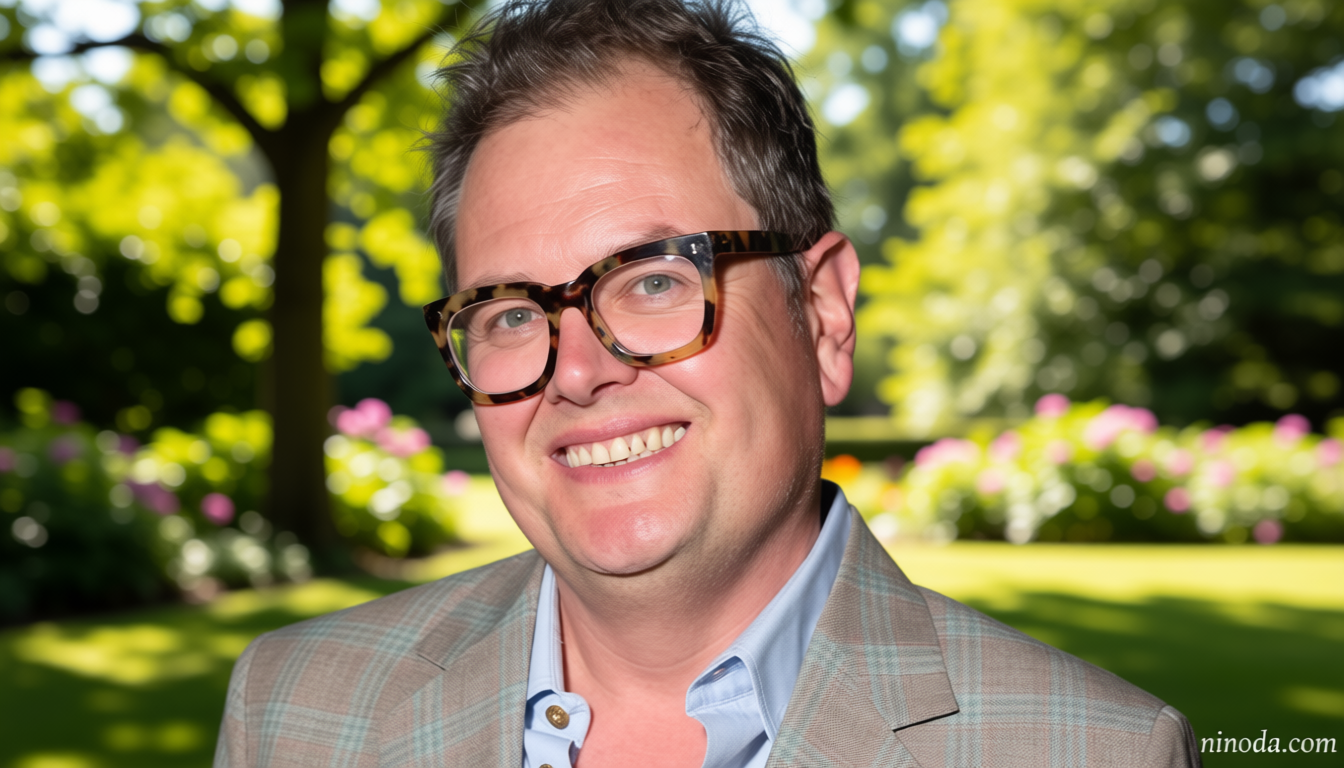
Alan Carr Keeps One Unwanted Item from His Castle Auction
Ninoda.com – Comedian Alan Carr is keeping one unwanted item from the sale of his Scottish castle, which recently concluded with a significant number of pieces auctioned off. The unique sculpture, a concrete cow from the Branxton Menagerie, remains in his possession despite the extensive catalog of items that found new owners. The auction, held in the Scottish Borders, drew attention to Carr’s decision to retain this specific artifact, adding intrigue to the sale of the historic property.
The Auction Process and Key Highlights
The sale of Ayton Castle’s former contents, which began after weekend viewings, featured a diverse range of collectibles, including furniture, paintings, and decorative pieces. Among the most notable bids was a £24,000 offer for a five-seater Bentley Mulsanne, highlighting the enthusiasm of bidders for high-value items. However, the only unsold lot was the Branxton concrete cow, a piece that holds sentimental value for Carr. The auctioneers, Railtons Auctioneers, remarked on the rarity of such an outcome, calling it a “very good record” for the event.
“Seven-and-a-half hours of selling non-stop and we only had one item that was unsold, which is quite a good record,” explained Jim Railton of Railtons Auctioneers. “For some reason, we couldn’t get a bid for it, but it’s clear this cow was special.”
The Branxton Menagerie, a collection of abstract sculptures, was initially crafted by a retired craftsman in the 1960s as a creative gift for his disabled son. The set, which includes over 100 pieces, has since evolved into a beloved visitor attraction. Carr, who acquired the castle for £3.25 million, has chosen to preserve the cow as a symbol of its historical and artistic significance, ensuring its place in the property’s legacy.
The Legacy of the Branxton Menagerie
The Branxton Menagerie’s journey from a personal project to a public art collection underscores its cultural impact. These cement sculptures, known for their whimsical yet striking designs, were displayed at various locations across the UK before being relocated to Ayton Castle in 2021. The auction of individual pieces has allowed the collection to be reimagined, with Carr’s decision to keep the cow reflecting his appreciation for its unique role in the set’s story.
Despite being an “unknown quantity” in terms of market appeal, the Branxton sculptures generated around £28,000 in total during the sale. Railton noted the collection’s appeal to both art enthusiasts and casual bidders, emphasizing how the cow’s unclaimed status highlights its enduring charm. Carr, who has embraced the challenge of owning a £3.25m property, sees the cow as a personal memento of the castle’s rich history and the emotions tied to its auction.
Alan Carr’s Personal Connection to the Cow
Alan Carr’s choice to retain the concrete cow is rooted in its symbolic value. The sculpture, which once stood in the grounds of the Branxton estate, represents a blend of artistry and sentiment. Carr’s comment on the cow’s significance suggests a deeper emotional attachment, as he plans to display it within the castle’s new premises. This decision also underscores his commitment to preserving elements of the castle’s past while moving forward with its future.
With the sale of Ayton Castle’s contents now complete, the proceeds—estimated at around £100,000—will be distributed to the previous owners who sold the property to Carr. The auction has generated widespread interest, with many observers noting the peculiar nature of the cow’s survival. As Carr begins to settle into his new home, the cow’s presence serves as a reminder of the castle’s storied history and the personal touches that define its transition into a new era.