Farage’s rivals rule out standing in Clacton by-election

Farage’s Rivals Rule Out Standing in Clacton By-election
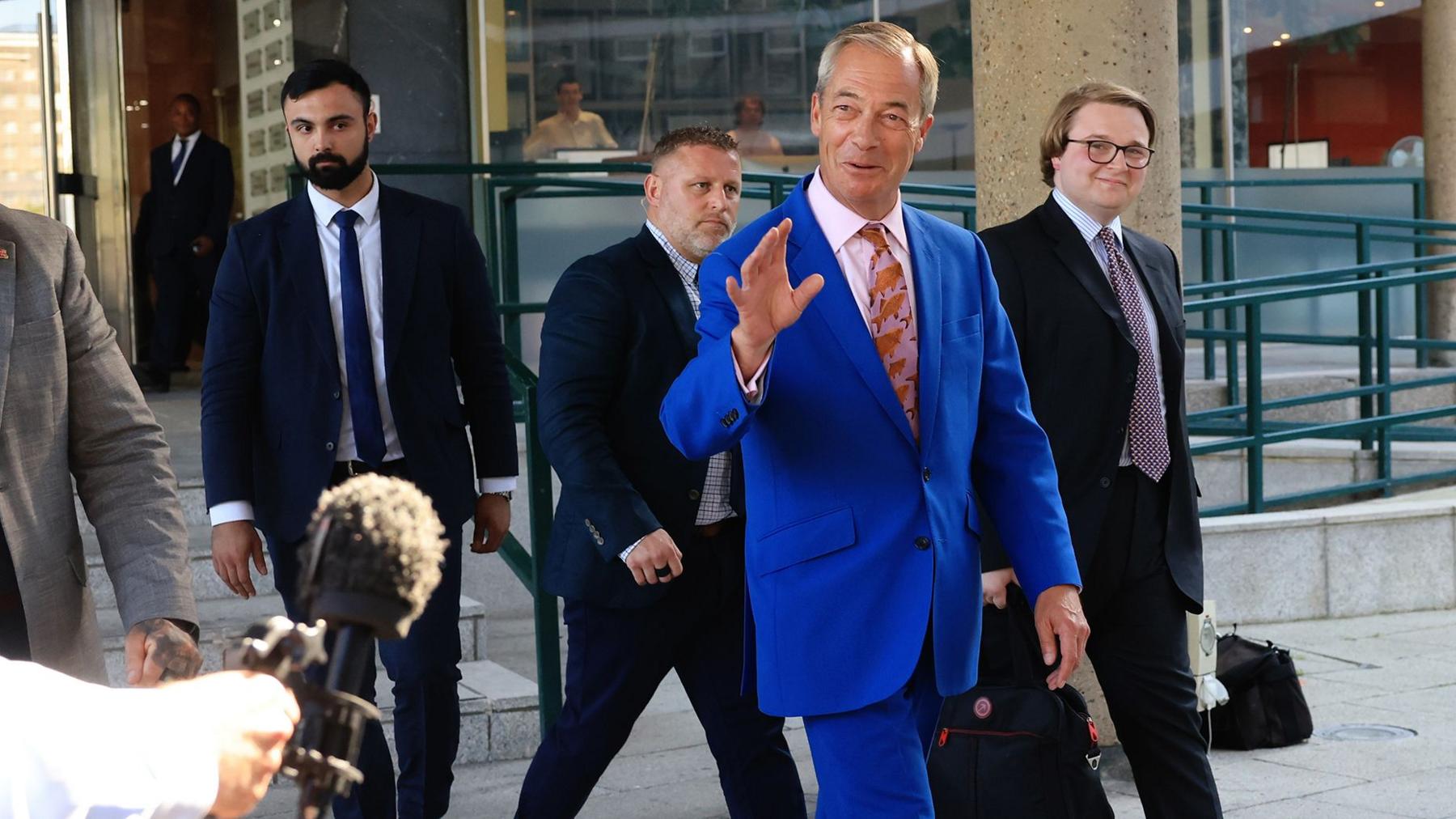
Ninoda.com – Farage’s rivals rule out standing in the Clacton by-election, a pivotal event triggered by Nigel Farage’s resignation as leader of Reform UK. The decision by major political parties to not contest the seat has left Farage’s party in a unique position to re-enter the fray. Labour, the Conservatives, the Liberal Democrats, the Green Party, and the newly formed Restore Britain have all opted to withdraw from the race, allowing Reform UK to capitalize on the vacuum. This move has been framed by Farage as a “people versus the establishment” contest, emphasizing his role as a challenger to mainstream political norms.
Farage’s resignation came in the wake of a parliamentary inquiry into his finances, which had already sparked significant debate. The investigation, initiated in May, focused on his failure to disclose a £5m gift from billionaire Christopher Harborne. Standards commissioner Daniel Greenberg has been scrutinizing whether Farage’s financial disclosures met the required thresholds. In a recent 20-minute video statement, Farage defended the donation, calling it a “lottery win” and justifying it as a necessary investment in personal security. His rivals, however, argue that the by-election serves as a convenient excuse to bypass financial transparency rules.
Political Parties’ Strategic Withdrawal
Labour and the Conservatives have both cited the by-election as a distraction from pressing national issues, with Labour’s spokesperson branding it a “political stunt.” The party’s decision to not stand in the race follows internal discussions about the merits of engaging in a contest that could undermine their credibility. Meanwhile, the Liberal Democrats have expressed concerns over the timing of the vote, urging the government to postpone it until the standards inquiry concludes. This highlights the tension between political convenience and the need for accountability in the eyes of voters.
“Nobody is going to get drawn into what is a political stunt by Nigel Farage because he wants to duck and dive around the rules that apply to everyone,” said Foreign Secretary Yvette Cooper.
The Green Party of England and Wales has also decided not to run in the by-election, a choice made by local members who believe the campaign would lack sufficient momentum. Restore Britain, which split from Reform UK after Rupert Lowe’s suspension, has similarly opted out, though they may reconsider if a second by-election is necessary. This collective withdrawal has been criticized by some as a coordinated effort to limit Farage’s influence in the region.
Reform UK’s Position and Public Perception
With all major rivals stepping aside, Reform UK has positioned itself as the sole contender in the Clacton by-election. The party has stated that it will cover the full cost of the campaign, a departure from the usual practice of relying on central government funding. A 2016 estimate placed the average cost of a by-election at £228,964, but with inflation and campaign expenses rising, the current financial burden on Reform UK is expected to be higher. This situation has drawn attention to the party’s ability to self-fund and sustain a competitive campaign without external support.
Farage’s victory in the 2024 general election, where he secured a majority of over 8,000 votes, has bolstered his confidence in running again. His supporters, including comedian Jon Harvey, who campaigns under the Count Binface pseudonym, have pledged their backing. The absence of opposition candidates may give Reform UK an advantage, but it could also raise questions about the electoral process and its fairness.
“Farage’s rivals have ruled out standing in the by-election, leaving Reform UK to contest the seat alone,” noted political analysts in recent assessments.
Implications for the Political Landscape
The by-election has significant implications for the local and national political landscape. Clacton, a marginal seat in the East Anglia region, is traditionally a Conservative stronghold. Farage’s success in the general election, however, demonstrated the potential for Reform UK to challenge established parties. By securing this by-election, the party could strengthen its position and signal a shift in voter sentiment. Critics, including Labour and the Conservatives, argue that the lack of opposition candidates could be seen as a tactic to consolidate power, while supporters view it as a genuine opportunity to represent the electorate’s concerns.
Farage’s opponents have also criticized the timing of the by-election, suggesting it was orchestrated to divert attention from other pressing issues. The financial inquiry into his donations, which remains ongoing, could influence public perception of his credibility. Despite these challenges, Farage has framed the contest as a necessary step to “stick two fingers up” to the political establishment, a strategy that aligns with his party’s core messaging. As the campaign progresses, the outcome will be closely watched by both supporters and skeptics alike.