Australia dock workers call for 28-hour week in AI talks

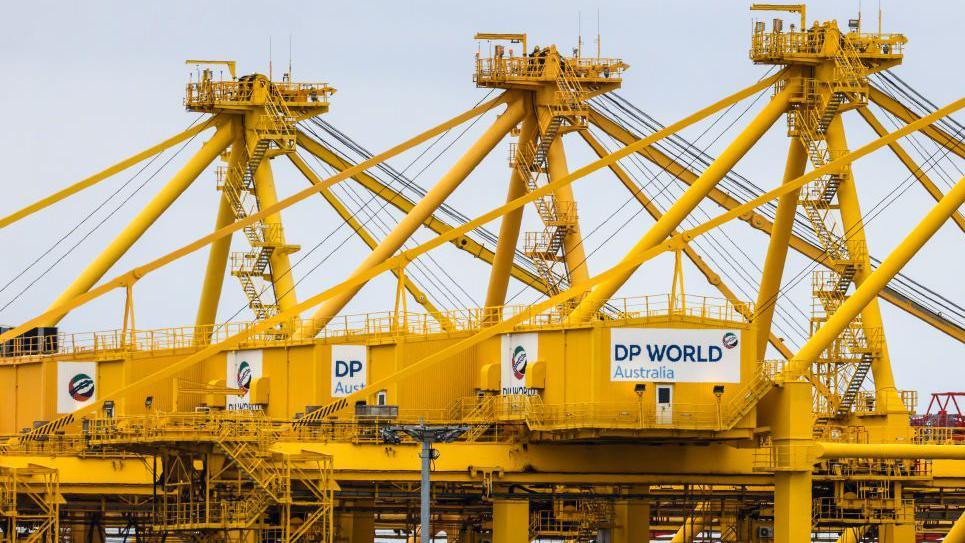
Australia Dock Workers Seek 28-Hour Workweek Amid AI Expansion
Ninoda.com – As artificial intelligence (AI) and automation reshape the global logistics landscape, Australia’s dock workers are increasingly vocal about their demands for a 28-hour workweek. The call for a shorter workweek comes as major port operators like DP World accelerate their adoption of AI-driven technologies, raising concerns among labor unions about the potential displacement of thousands of jobs. With the rise of automated systems and AI tools, the workforce is pushing for a reevaluation of traditional work schedules to ensure fair treatment and job security in an era of rapid technological advancement.
The Role of AI in Transforming Port Operations
AI is now a central component of modern port management, with DP World at the forefront of its integration. The company’s efforts to implement AI-enhanced remote-controlled cranes and autonomous vehicles have sparked debates about the balance between efficiency and employment. According to a report commissioned by the Maritime Union of Australia (MUA), the shift toward automation is being executed with minimal consultation, leaving workers uncertain about their future roles. This trend is not isolated to Australia; global ports are increasingly relying on AI to cut costs and improve productivity, but the human impact remains a critical issue.
“If DP World is pursuing AI and automation, they must ensure workers are not left behind. The technology doesn’t have to come at the expense of our livelihoods or job security—just a way to enhance efficiency,” said the MUA in a statement released on 3 July. The union has warned that the current pace of AI adoption could threaten up to 1,000 jobs or over 60% of the dock and maintenance workforce, emphasizing the need for a 28-hour workweek to maintain economic stability for workers.
Workload and Pay Concerns in the Port Sector
Currently, Australian dock workers operate between 32 to 35 hours weekly, depending on their location and the port’s operational demands. This schedule has long been a point of contention, with many workers arguing that the current workload is unsustainable without additional compensation. The MUA’s report highlights that DP World’s push for AI integration is not just about streamlining operations but also about reducing the number of hours workers are required to commit, potentially leading to a 28-hour week as a compromise.
The company, which is state-owned and controlled by Sheikh Mohammed bin Rashid Al Maktoum, manages millions of containers annually across ports in Sydney, Melbourne, and other key locations. Its global network spans 84 countries, employing over 126,000 people and handling roughly 10% of the world’s container traffic. With such a vast operation, DP World’s use of AI in scheduling and employee management has become a focal point for labor negotiations. The 28-hour week proposal aims to address these concerns by aligning work hours with technological progress while safeguarding existing employment models.
Industry Responses and Future Implications
While DP World has acknowledged the necessity of AI in managing complex supply chains, the union insists that the transition should not come at the cost of worker well-being. Last year, Glen Hilton, the company’s Asia Pacific chief executive, emphasized that AI is now “no longer optional” but a critical tool for operational efficiency. However, the 28-hour workweek debate underscores the tension between innovation and labor rights. Industry experts suggest that the 28-hour model could be a viable solution, allowing for reduced hours without pay cuts, but it requires careful implementation to avoid further job losses.
Analysts also note that the 28-hour workweek proposal is part of a broader conversation about the future of labor in the digital age. As automation becomes more prevalent, workers are seeking new arrangements to adapt to changing demands. The MUA’s campaign highlights the need for policy interventions, such as retraining programs and wage adjustments, to support workers during this transition. This movement could set a precedent for other sectors facing similar challenges, ensuring that the workforce remains an integral part of the technological evolution rather than a casualty of it.