Trump says ceasefire is ‘over’ after US and Iran trade strikes

Trump Declares Ceasefire with Iran ‘Over’ Amid Escalating Tensions
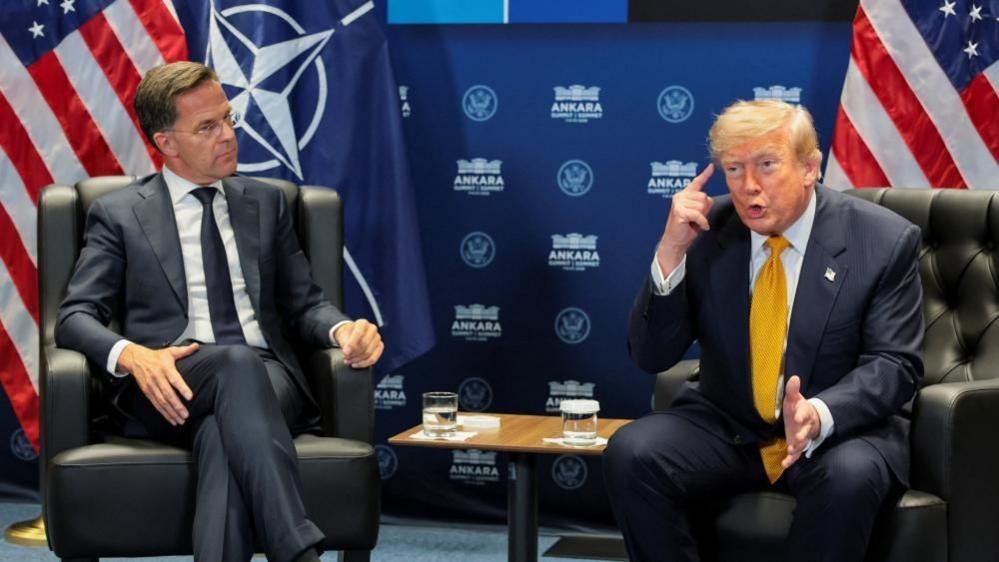
Ninoda.com – At a NATO summit in Turkey, US President Donald Trump made a definitive statement that the ceasefire agreement with Iran is now “over,” marking a significant shift in the ongoing standoff. His declaration followed a series of coordinated strikes between the United States and Iran, which intensified the already fragile truce. Trump’s remarks emphasized his dissatisfaction with Iran’s compliance, accusing the country of deception and highlighting the need for a more aggressive approach. The focus keyword, “Trump says ceasefire is over,” encapsulates the central theme of his announcement, which underscores the renewed conflict after months of temporary calm.
The Ceasefire Agreement and Its Breach
The 14-point memorandum of understanding (MoU) between the US and Iran, signed on 17 June, was intended to reduce hostilities and allow for diplomatic negotiations. It outlined a 60-day ceasefire, provisions for safe shipping in the Strait of Hormuz, and a framework for ongoing discussions. However, Trump claimed that Iran had broken these terms, asserting that the country “go outside, talk to the press, and say ‘we never even talked about it’.” This accusation reflects the US administration’s view that Iran’s actions have undermined the agreement, reigniting concerns about regional stability.
Escalation of Hostilities: Strikes and Retaliations
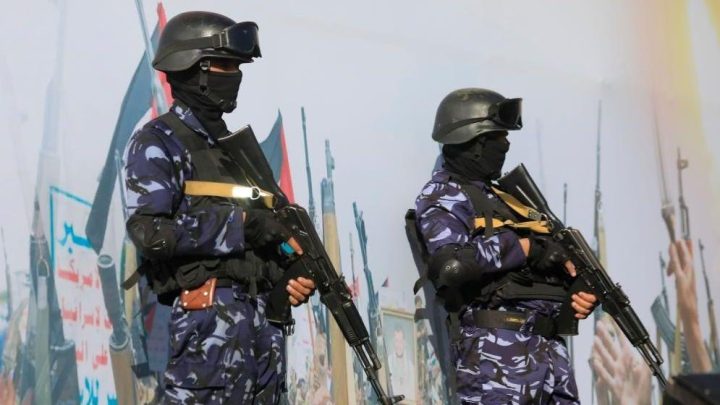
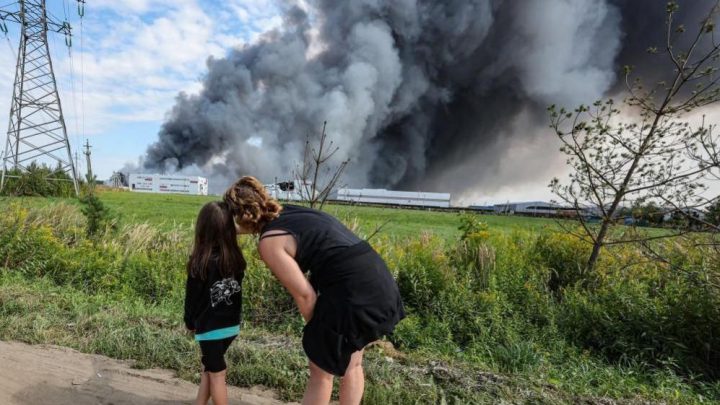
The recent night of hostilities saw a dramatic escalation in the conflict, with the US launching strikes on Iranian military assets in southern Iran. These attacks followed the destruction of three oil tankers in the Strait of Hormuz, which had already sparked retaliatory actions against US bases in Bahrain and Kuwait. Trump’s statement that “the ceasefire is over” aligns with these events, signaling a return to active military engagement. The US Central Command confirmed that the strikes were a direct response to Iran’s continued provocations, which included attacks on US vessels and defiance of the ceasefire terms.
“I think it’s over. I don’t want to deal with them any more, they’re scum… they’re led by sick people and they’re vicious, violent people,” Trump stated, capturing the sentiment of his administration’s frustration with Iran’s leadership.
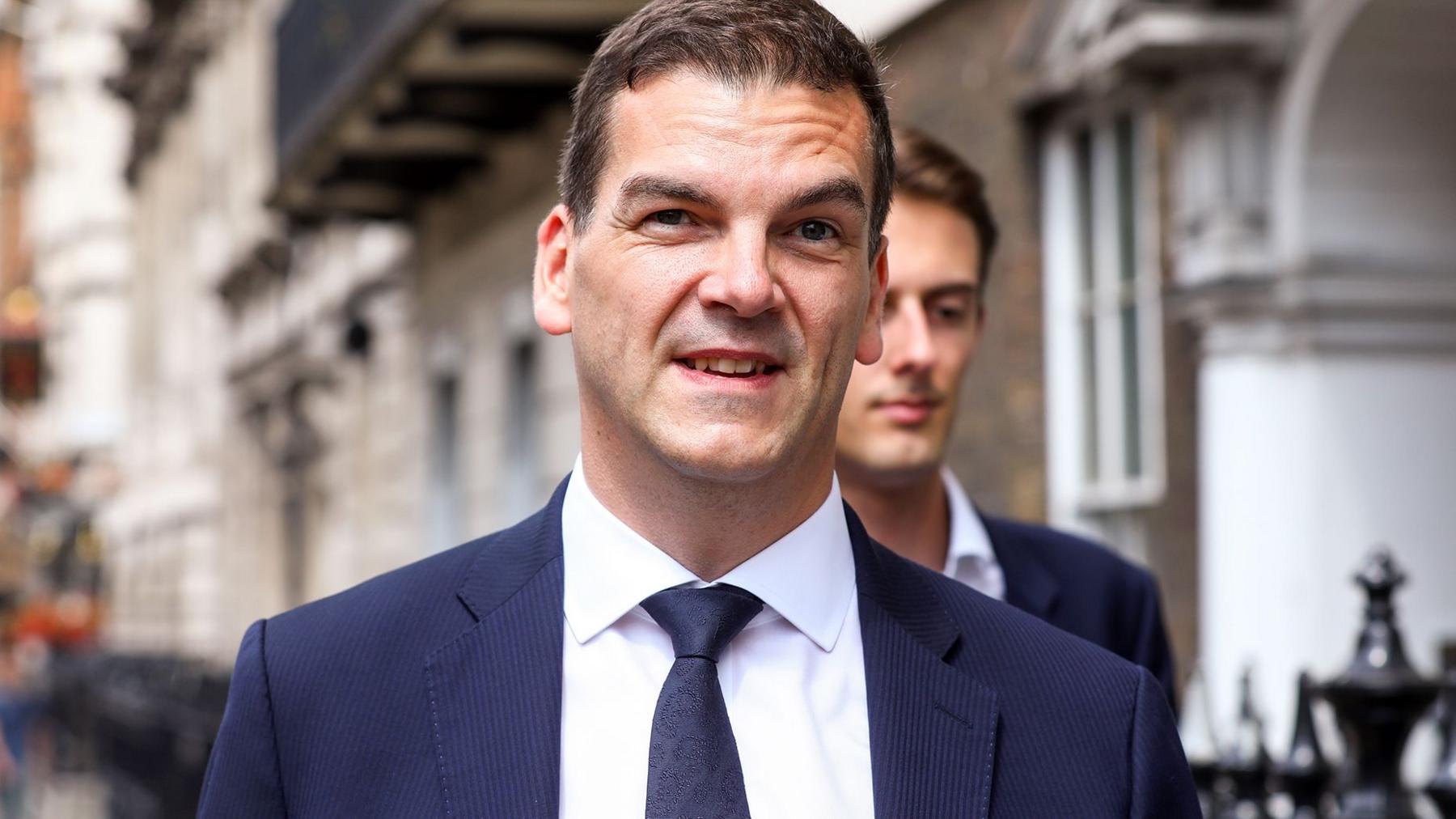
The escalation has drawn mixed reactions from the international community. While some analysts warn of a potential full-scale war, others note that both sides have historically used ceasefire agreements as strategic tools. Iran’s Deputy Foreign Minister, Kazem Gharibabadi, criticized Trump’s remarks as a sign of US reliance on “the language of force,” suggesting that the administration’s approach is more about intimidation than diplomacy. Meanwhile, Iran’s senior adviser, Ali Akbar Velayati, vowed immediate retaliation, highlighting the country’s readiness to escalate tensions further.
Economic Impact and Diplomatic Consequences
The renewed conflict has had tangible economic effects, with oil prices rising in response to Trump’s declaration. Analysts point out that the US has long used sanctions as a leverage tool against Iran, and the revocation of the temporary suspension of these sanctions has added pressure on Tehran. Additionally, the destruction of oil tankers in the Strait of Hormuz has raised fears of a global supply disruption, though prices remain below the peak levels seen during the full closure of the waterway. The focus keyword, “Trump says ceasefire is over,” resonates in this context, as it reflects the US’s commitment to using military and economic measures to assert dominance in the region.
Diplomatic efforts have been complicated by the escalation. The ceasefire agreement had been a critical step in preventing further clashes, but its collapse has forced both nations to recalibrate their strategies. Trump’s assertion that the ceasefire is over has been met with skepticism by some allies, who fear that the renewed hostilities could destabilize the broader Middle East. Meanwhile, Iran’s parliamentary speaker, Mohammad Bagher Ghalibaf, reiterated the country’s resolve, stating that “We don’t fold” despite the US’s military actions. This defiance underscores the geopolitical stakes of the conflict, as both powers vie for influence in a volatile region.
Historical Context and Future Outlook
The current escalation follows previous clashes in early June, when the US targeted Iranian assets after an oil tanker was attacked in the Strait of Hormuz. These incidents had already led to a temporary pause in hostilities, but Trump’s comments suggest that the ceasefire is now permanently broken. Historical context reveals that such agreements are often short-lived, as both sides prioritize national interests over diplomatic solutions. The focus keyword, “Trump says ceasefire is over,” has become a rallying point for discussions on the future of US-Iran relations, with implications for regional security and global trade.