Why heatwaves hit women harder

Why Heatwaves Hit Women Harder: A Growing Health Concern
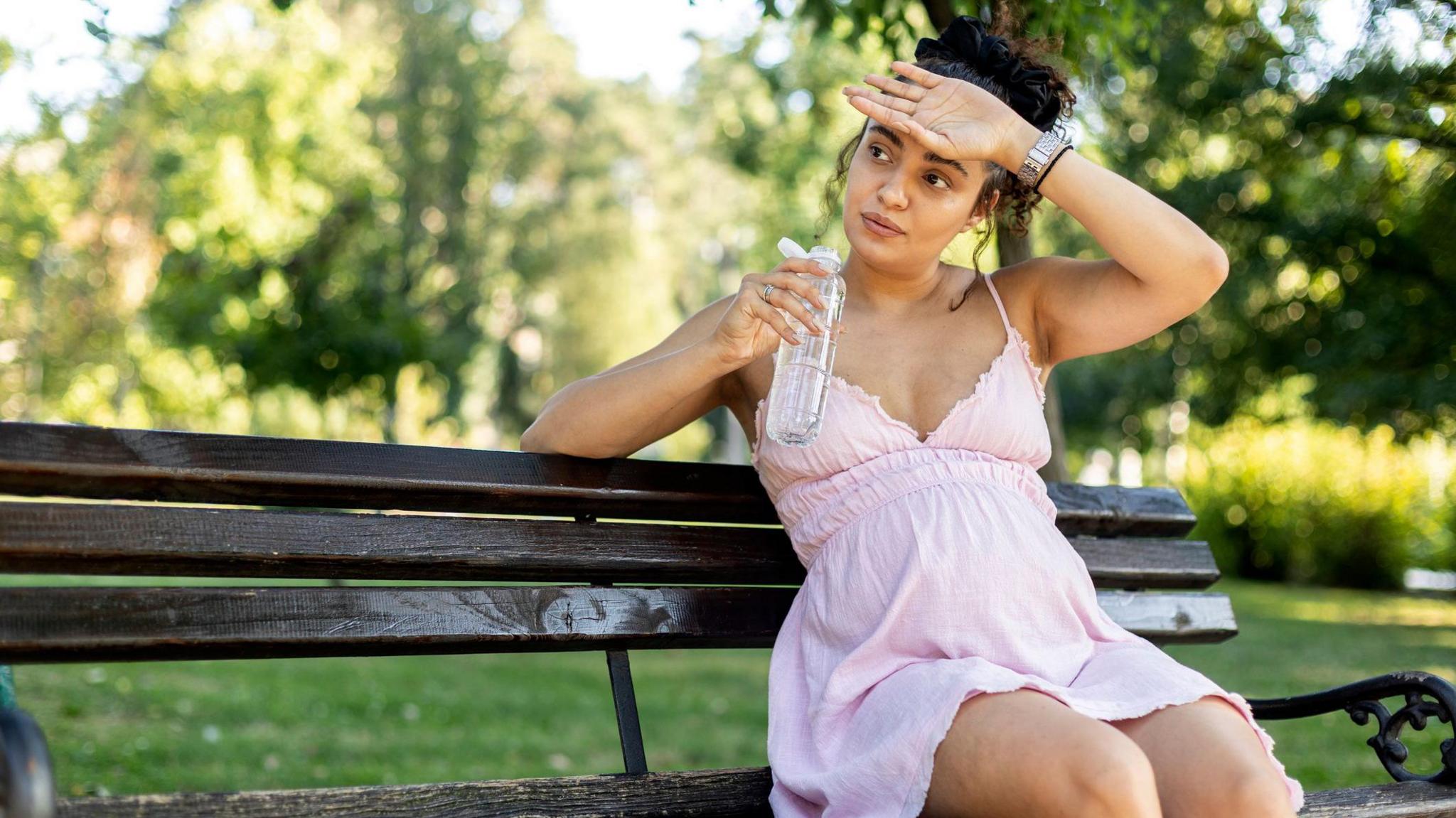
Ninoda.com – Heatwaves are increasingly being recognized as a significant health challenge, particularly for women. According to recent reports, the June heatwave in the UK left many women feeling overwhelmed, irritable, and exhausted—a trend that has sparked concern among health experts. These symptoms, often tied to the body’s response to extreme temperatures, highlight how heatwaves may affect women more severely than men. The question of *why heatwaves hit women harder* is gaining attention, as studies reveal a combination of biological and social factors that heighten their vulnerability during heat events.
Biological and Physiological Differences
Research indicates that women’s bodies react differently to heat due to hormonal and physical variations. Dr. Nighat Arif, an NHS GP with expertise in women’s health, explains that heatwaves act as a “stress-test” for female cardiovascular systems. Studies, including a 2025 analysis, show women sweat less efficiently than men and begin perspiring at higher temperatures. This reduced cooling capacity can lead to faster dehydration and increased strain on the heart, especially during prolonged exposure to heat. Additionally, women typically have a higher core body temperature and more body fat, which can insulate them from heat but also make it harder to regulate body temperature effectively.
Fluctuating hormone levels during menstrual cycles, perimenopause, and menopause further complicate this issue. For instance, elevated progesterone levels before menstruation can raise body heat, while lower oestrogen during periods may reduce the body’s ability to manage thermal stress. Dr. Arif also notes that women’s oxygen delivery systems are impacted by iron loss during heavy menstrual bleeding, which can exacerbate the effects of heat on cardiovascular health. These biological differences mean that women may experience heat-related symptoms more intensely than men, even when exposed to similar environmental conditions.
Socioeconomic and Lifestyle Influences
While biology plays a role, socioeconomic factors also contribute to the disparity. Dr. Cat Pinho-Gomes, an academic public health consultant at UCL’s Institute for Global Health, points out that women often bear greater responsibilities in household management and caregiving. This can limit their ability to adapt to extreme weather, such as accessing cooling spaces or taking regular breaks. Lower wages and fewer paid leave options may force women to work through heatwaves, increasing their risk of heat exhaustion or dehydration. Age is another factor, as women tend to live longer than men, meaning they are more likely to be exposed to heat over extended periods.
Conditions like dementia, which are more prevalent among older women, can also compound the problem. These conditions may reduce awareness of thirst or the need for hydration, worsening the body’s response to heat. Moreover, the lack of targeted policies in workplaces and public services often overlooks women’s specific needs during heat events. Dr. Pinho-Gomes argues that these systemic issues require urgent attention to ensure women are not disproportionately affected by rising temperatures. As climate change intensifies heatwaves, addressing these factors becomes critical for protecting women’s health and wellbeing.
Real-Life Impact and Women’s Voices
Women’s firsthand accounts during heatwaves provide a powerful insight into their struggles. In north London, Michaela Finn described feeling faint and exhausted during her period in late June, citing work conflicts as a reason for having to call in sick. She noted that the heat amplified her cramps and left her “completely exhausted, aching and cramping.” Similarly, Charlie Paddock, a south London resident, shared that the heatwaves caused severe hot flashes and “total brain fog,” making daily tasks more challenging. Jess Allingham echoed these experiences, saying the heat worsened her fatigue and anxiety, leaving her unable to function at full capacity.
“I bled a normal amount but noticed a big increase in fatigue, dizziness, anxiety and sleepless nights,” Finn explained. “My shifts at work landed on the same days, too. During my morning shower, I felt faint; I had to be realistic and call in sick.”
“Nearly fainted twice and the hot flushes were unreal,” Paddock added. “I was absolutely exhausted, more than normal, and had total brain fog.”
These personal stories align with scientific findings about the unique challenges women face. Dr. Arif emphasizes that iron deficiency during menstruation reduces oxygen delivery, which can be particularly taxing during heatwaves. This interplay of biological and social pressures underscores why *why heatwaves hit women harder* is a pressing issue that demands more inclusive strategies. By integrating women’s health into climate adaptation efforts, policymakers and healthcare providers can create solutions that better address their specific needs.