MPs seek veto over political ambassadors after Mandelson row

MPs Push for Veto Power Over Political Ambassadors Amid Mandelson Scandal
Ninoda.com – Following a heated debate sparked by the recent controversy surrounding Lord Peter Mandelson’s appointment as UK ambassador to the United States, members of Parliament have called for greater control over the selection process for senior diplomatic roles. The Foreign Affairs Committee, led by Dame Emily Thornberry, has emphasized the need for a more transparent and accountable system, suggesting that MPs should have the authority to veto candidates before they are officially appointed. This push for reform aims to prevent future scandals and ensure that political appointments reflect rigorous scrutiny rather than convenience or favoritism.
Revealing the Vetting Process Flaws
Lord Mandelson’s nomination ignited a firestorm of criticism after it was revealed that his security clearance was approved just weeks before his arrival in Washington. The Foreign, Commonwealth and Development Office (FCDO) had initially cleared him for access to classified information in April 2024, yet doubts about his suitability remained unaddressed. The committee’s report, published this week, criticized the ad-hoc approach to his appointment, with one member stating that the due process was “being made up as it went along.” This lack of consistency has raised concerns about the reliability of the vetting system and its ability to safeguard national interests.
The report detailed how Mandelson’s connections to Jeffrey Epstein, the late convicted sex offender, were initially downplayed but later became central to the controversy. Despite providing answers to questions about his ties, the ambassador’s appointment was ultimately revoked after new evidence emerged last year. The committee argued that a pre-appointment hearing could have clarified these matters, highlighting the importance of thorough investigations before high-profile roles are assigned.
Proposed Structural Reforms
In response to the growing scrutiny, the committee has outlined a series of structural reforms to strengthen the oversight of political appointments. One of the key recommendations is granting the Foreign Affairs Committee the power to veto candidates who fail to meet stringent criteria. This would require MPs to evaluate nominees through detailed evidence sessions, ensuring that all potential conflicts of interest are exposed before they take office. Civil service heads of mission, meanwhile, would remain exempt from such hearings, as their appointments are typically based on merit and experience rather than political influence.
“The current system has allowed political appointments to bypass essential checks, risking public trust in our diplomatic missions,” the report stated. “A clear framework is needed to ensure transparency and accountability in the selection of ambassadors.” The committee’s proposals underscore a desire to balance political involvement with professional oversight, preventing situations where personal connections overshadow qualifications.
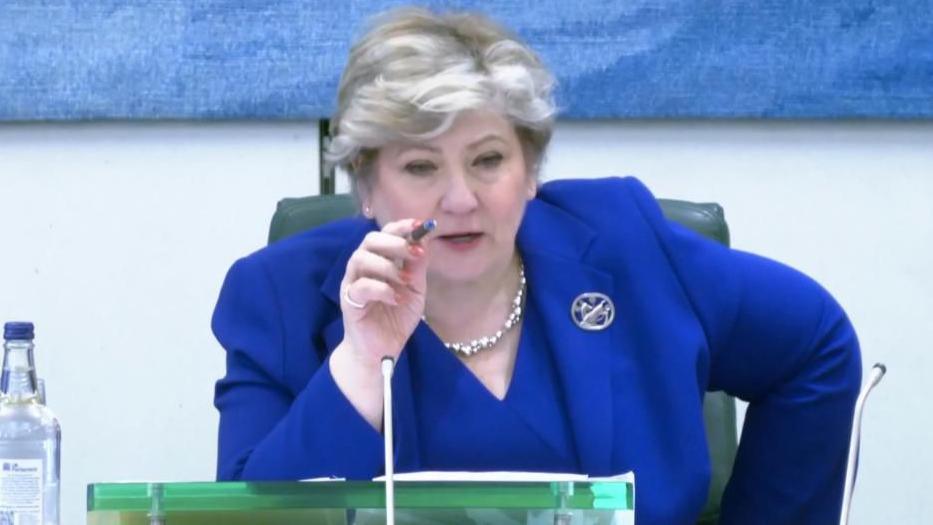
Dame Emily Thornberry, the chair of the committee, has criticized the lack of transparency in Mandelson’s case, calling it an “unmitigated disaster for the country.” She argued that the usual checks and balances were disregarded, with security assessments treated as an afterthought rather than a critical component of the appointment process. The committee’s report also pointed to inconsistent record-keeping within the FCDO and Number 10, suggesting that better documentation could have prevented the confusion surrounding Mandelson’s credentials.
In defense of the government’s approach, a spokesperson claimed that reforms were already underway, citing an independent review of the National Security Vetting system initiated by the Prime Minister. However, the committee insists that these measures are insufficient without mandatory pre-appointment hearings. The debate highlights a broader tension between political influence and bureaucratic accountability, with MPs advocating for a system that ensures all candidates are thoroughly vetted before representing the UK abroad.
The push for veto power comes as part of a wider effort to modernize the political appointment process. By requiring MPs to scrutinize candidates through formal hearings, the reforms aim to address concerns about transparency and reduce the risk of unqualified individuals assuming critical roles. While the government has acknowledged the need for improvement, the committee remains determined to implement stronger safeguards, ensuring that future ambassadors are selected with both integrity and expertise in mind.