Hundreds of captives freed from Boko Haram mountain hideout

Hundreds of captives freed from Boko Haram mountain hideout
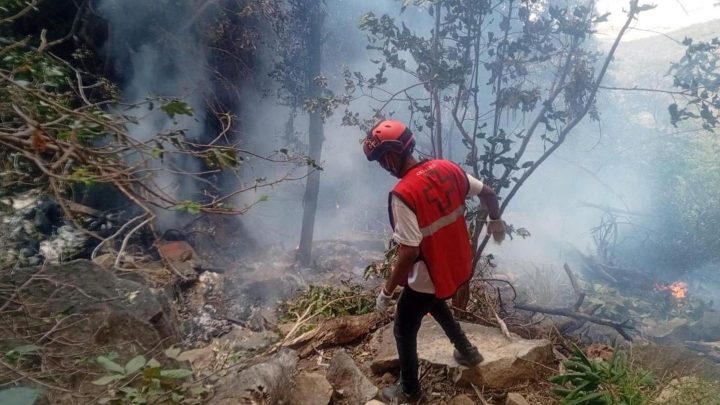
Ninoda.com – In March, over 360 individuals were taken hostage by Boko Haram militants from a predominantly Muslim community in northeastern Nigeria’s Borno state. Recently, these captives were reportedly liberated from a secluded mountain location, though the specifics of their release remain contested. The Nigerian military claims the operation was meticulously planned and executed under the cover of night, catching the Islamist group off guard. However, local advocates argue that a grassroots organization played a key role in securing their unconditional freedom, citing a higher count of 416 freed persons.
Disputes over the liberation process
The military asserts that the operation marked one of its most impactful rescue missions in the region. A spokesperson, Lt-Col Haruna M Sani, stated that the sudden attack left several insurgents scrambling, with others choosing to surrender. Meanwhile, the Borno South Youth Initiative attributes the release to their mediation efforts, challenging the military’s narrative of a surprise assault. The group emphasized that the freed captives were not merely rescued but also granted freedom through negotiated efforts.
Patterns of kidnapping in Nigeria
Over the years, mass kidnappings for ransom have become a frequent strategy among armed groups in Nigeria. Despite legal prohibitions, families and even state officials often pay ransoms to secure the return of loved ones. This practice has been exploited by various factions, including Boko Haram, which famously abducted 200 schoolgirls from Chibok in 2014. Of those, around 90 are still unaccounted for, with many forced into servitude or used as suicide bombers.
Medical care and casualties reported
According to authorities, the freed captives are currently receiving medical attention. However, two infants are said to have perished due to the physical toll of their captivity and the rugged terrain. Special adviser Daniel Bwala to President Bola Tinubu acknowledged the government’s commendation of the troops, despite ongoing scrutiny for the nation’s security challenges.
Captives from Ngoshe community
The hostages originate from Ngoshe, a Muslim-majority area near the Cameroon border. The region was attacked in early March, reportedly during the Ramadan fast. Samaila Kaigama, leader of the Borno South Youth Alliance, revealed that his group had been actively engaging with militants to push for the captives’ release. He criticized government officials for taking credit for the operation, calling them “government boys” who overlooked the community’s role.
Media coverage and ongoing efforts
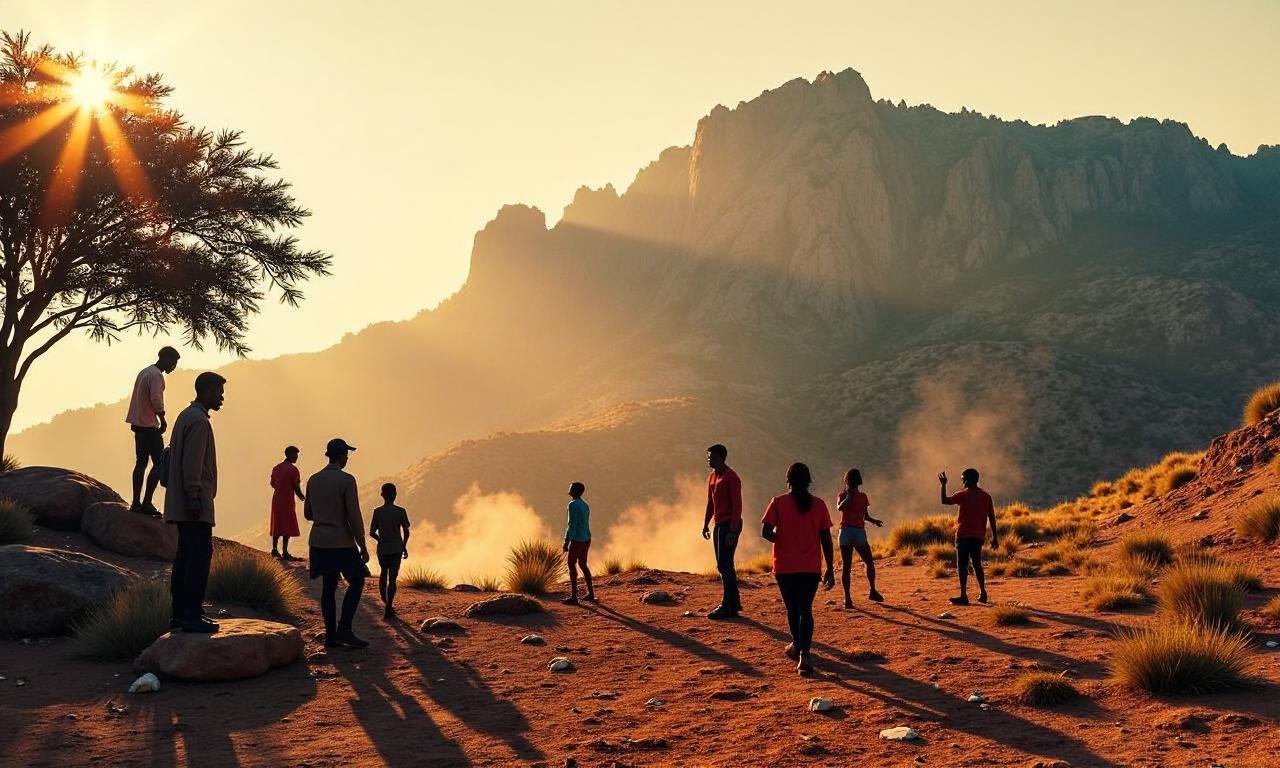
On Sunday, the military shared video footage and photographs of the freed captives resting beneath trees overnight. A local official also appeared in a video, confirming that authorities are working to ensure the area’s safety so the hostages can return to their farms. Additionally, efforts are underway to locate those believed to have fled into Cameroon. This marks a significant development in a conflict that has seen Boko Haram, despite losing much of its former territory, remain a persistent threat.
US collaboration and broader security threats
Earlier this year, a contingent of U.S. soldiers arrived in Nigeria to support the training of local forces and enhance intelligence operations. Their mission targets multifaceted security issues, including Islamist insurgencies, kidnapping networks, land disputes, and separatist movements. In a recent joint operation, Nigeria and the U.S. announced the elimination of a high-ranking Islamic State leader, highlighting the evolving nature of the region’s security landscape.
Follow BBCAfrica on Twitter, Facebook, or Instagram for more updates on African news.