Motherhood not all warm and fuzzy: Bollywood actor’s play spotlights messier side

Motherhood Not All Warm and Fuzzy: Bollywood Play Unveils Raw Realities
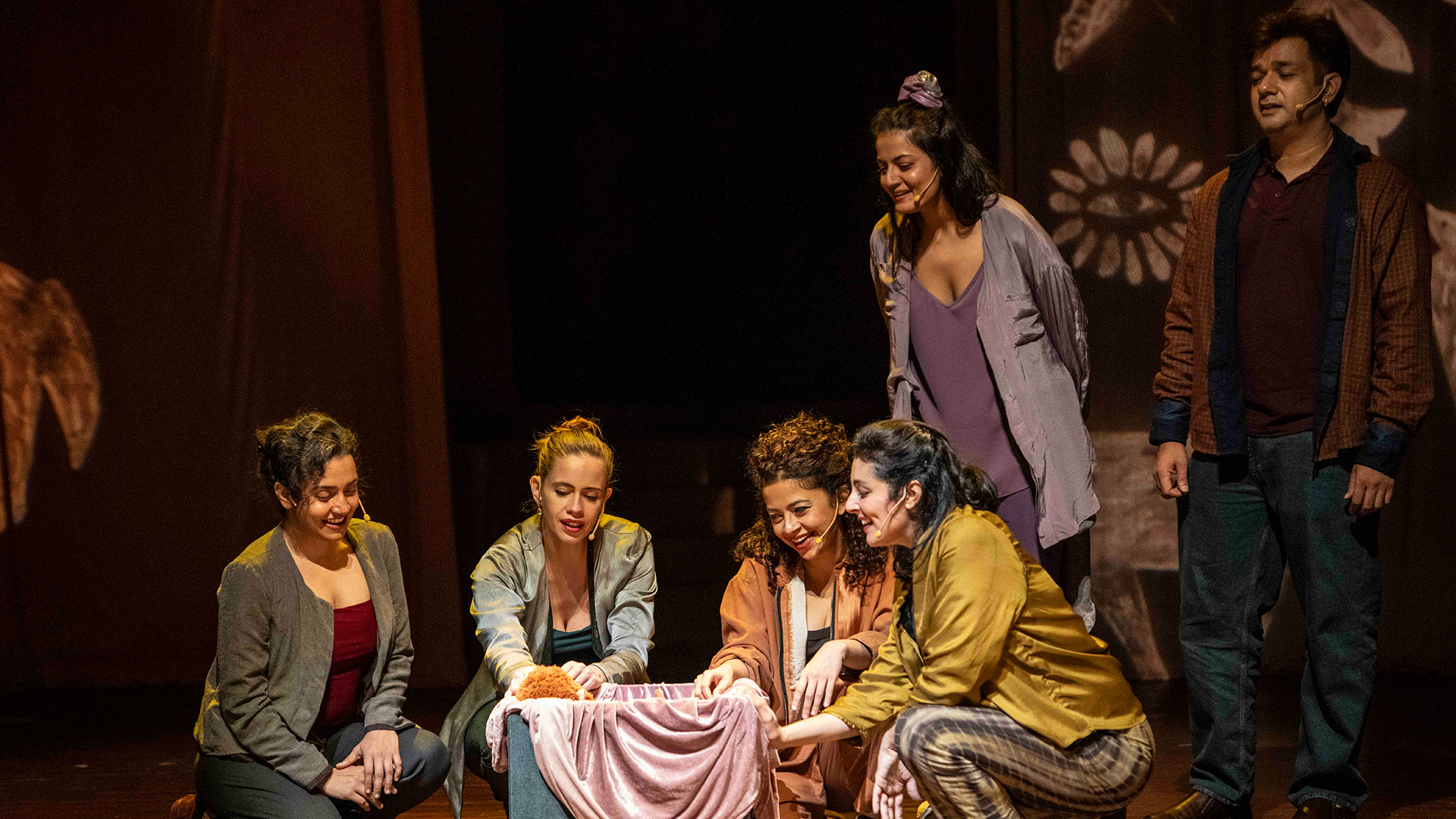
Ninoda.com – Contrary to the idealized image of motherhood often portrayed in media, the experience is far more complex. A new play by Bollywood actor Kalki Koechlin and theatre director Sheena Khalid, *Belly of the Beast*, challenges the notion that motherhood is solely a joyous journey. Instead, it shines a light on the messy, emotional, and often unspoken struggles that come with becoming a mother. The production, rooted in Kalki’s 2021 book *The Elephant in the Womb*, provides a poignant exploration of the transformation that accompanies parenthood.
Embracing the Emotional Rollercoaster
*Belly of the Beast* intricately portrays the physical and psychological toll of motherhood, from the initial stages of pregnancy to the chaos of raising young children. It captures the exhaustion of sleepless nights, the pressure of juggling career goals with family duties, and the profound emotional shifts that redefine a woman’s sense of self. The play also introduces darker themes, such as abortions and miscarriages, and highlights the prevalence of postpartum depression—a condition many mothers feel ashamed to discuss.
“Motherhood is not just a gift; it’s a process that reshapes your identity,” Kalki remarked. “There’s a part of you that feels lost, and a part that’s grieving the life you had before becoming a parent. The focus keyword ‘Motherhood not all warm and fuzzy’ is naturally woven into the narrative, emphasizing the contrast between societal expectations and personal realities.”
Reimagining the Motherhood Narrative
In a society where motherhood is frequently equated with happiness and sacrifice, *Belly of the Beast* offers a refreshing perspective. Kalki and Khalid’s collaboration aims to dismantle the myth that motherhood is an effortless, universally admired path. The play showcases the internal conflicts mothers face, such as the tension between their professional aspirations and the demands of domestic life. By doing so, it invites audiences to reconsider the often-overlooked challenges of this role.
Connecting Personal and Collective Struggles
Kalki’s journey into motherhood began during the pandemic, a time when isolation magnified the struggles of new mothers. “The lockdowns forced me to confront the raw emotions of motherhood without external validation,” she explained. “It became a space where I could write about the invisible labor and the psychological weight that comes with it.” The play reflects these personal insights, using real-life scenarios to highlight the shared experiences of women across different socio-economic backgrounds.
Societal Pressures and the Workforce Divide
Statistics reveal a stark gender disparity in work-life balance, with Indian women in urban areas facing significant challenges in maintaining careers. Recent data from the *Times of India* indicates that 69% of women are sidelined from the workforce due to childcare and housework, compared to just 1% of men. This imbalance reflects the societal expectation that motherhood should be a selfless endeavor. Kalki notes that this pressure is compounded by the belief that modern mothers can seamlessly blend their professional and personal lives.
Humor and Heart in the Storytelling
Despite its heavy themes, *Belly of the Beast* incorporates humor and rhythm to maintain audience engagement. A standout scene features a couple discussing their day, with the husband boastfully recounting his achievements while the wife quietly admits she “just looked after the baby.” This moment underscores the silent labor mothers endure, contrasting it with the public celebration of fatherhood. The play’s balance of light and dark elements makes its message more relatable, earning praise from critics and audiences alike.
Impact and Future Directions
With its Delhi premiere drawing standing ovations, *Belly of the Beast* is sparking conversations about the realities of motherhood in India. Kalki hopes the play will encourage women to question the societal norms surrounding their roles and foster empathy for the invisible struggles they face. As the production gains traction, it signals a growing movement to reframe motherhood as a multifaceted journey rather than a singular, glowing experience. The focus keyword ‘Motherhood not all warm and fuzzy’ continues to resonate throughout the narrative, ensuring its central theme remains prominent.