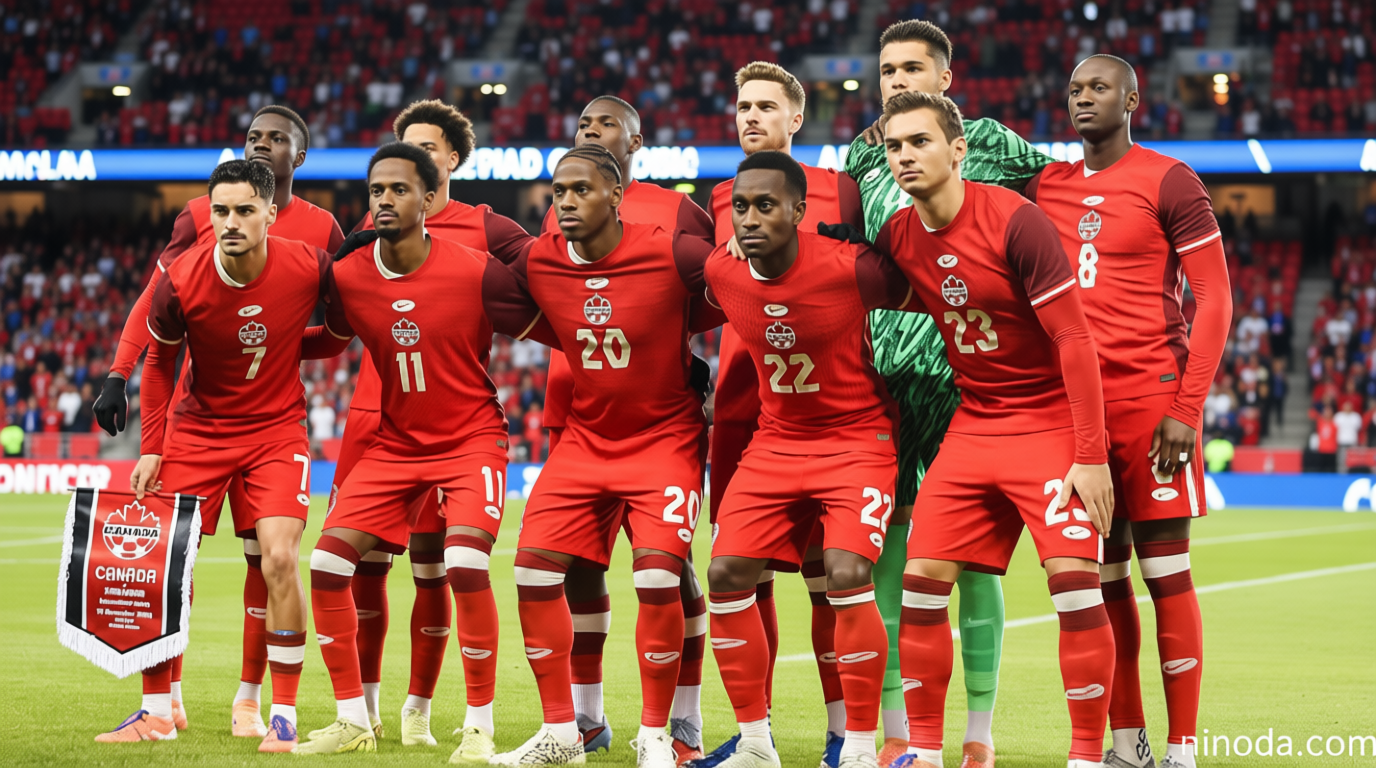
Artificial turf & coaching revolution – how Norway shaped golden generation

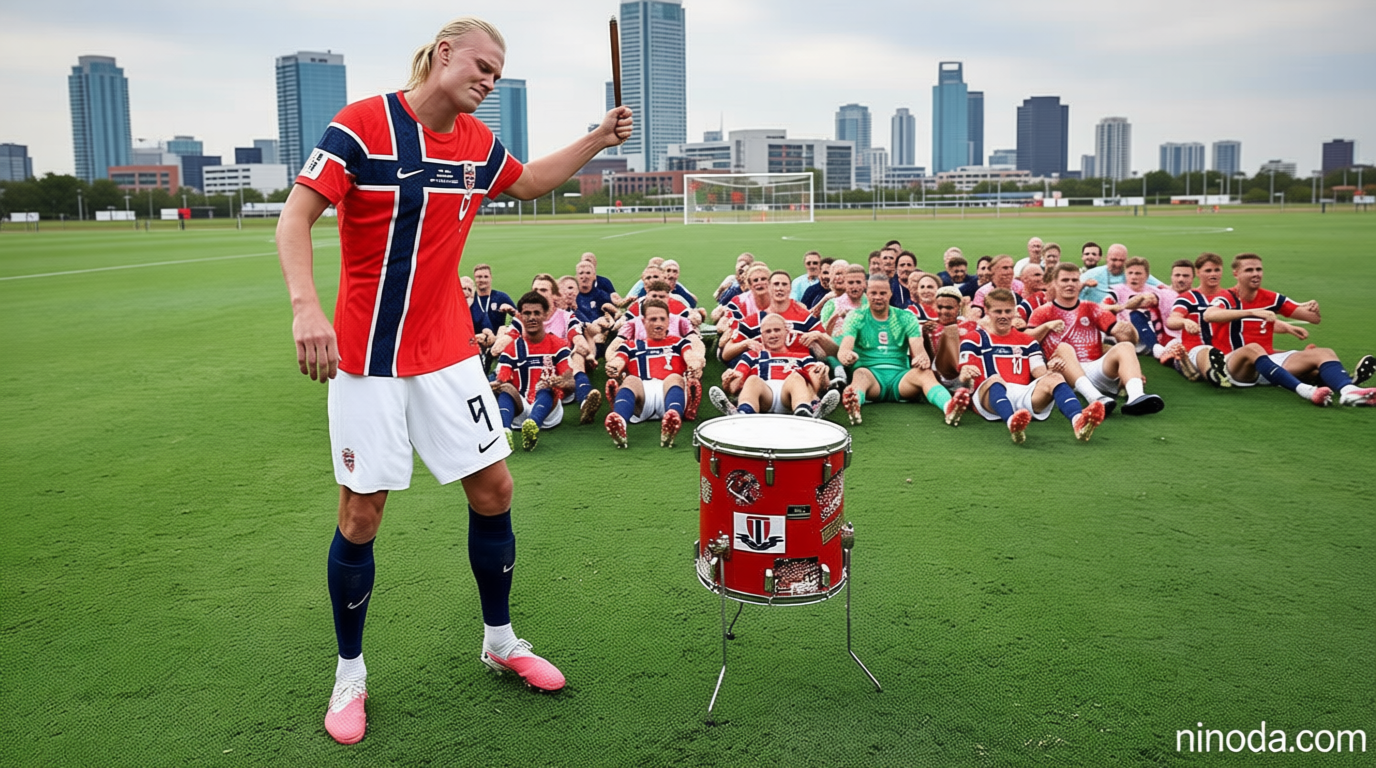
Artificial Turf & Coaching Revolution: Norway’s Football Transformation
Ninoda.com – Norway’s remarkable ascent in international football has been driven by a combination of artificial turf and coaching revolution, creating a model that other nations can emulate. The nation’s success at the World Cup, where they’ve overcome traditional powerhouses like Brazil and Ivory Coast, isn’t just about star players like Erling Haaland or Martin Odegaard. Instead, it stems from a long-term strategy that has redefined the country’s football landscape. This artificial turf coaching revolution has transformed Norway into a formidable force, with its domestic system now rivaling some of the most advanced football nations in Europe.
Building a Unified Football Culture
The artificial turf coaching revolution in Norway began over two decades ago, with a clear vision to elevate the sport across all levels. This approach has led to a significant investment in infrastructure, including the construction of 539 new artificial pitches and the renovation of 586 existing ones between 2016 and 2025. Such an initiative ensured that football could be played year-round, even during the harsh winters when natural grass fields were often unplayable. The result is a more consistent training environment, allowing players to refine their skills without seasonal limitations.
“Football in Norway went from a summer sport to a whole year-round sport,” said Hakon Grottland, head of player development at the Norwegian Football Federation. “Back in my day, we had to play on terrible pitches in the winter, sometimes on ice.”
This artificial turf coaching revolution has also fostered a collaborative culture between grassroots clubs, district federations, and top-tier teams. The National Team School (NTS), launched in 2013, has played a pivotal role in this transformation. By integrating top clubs and ensuring alignment with national development goals, the NTS has created a sustainable pipeline of talent. This unified system has allowed Norway to produce a generation of technically skilled players, as evidenced by their World Cup squad, which includes 17 players competing in Europe’s top four leagues.
Financial Support and Strategic Investment
Key to Norway’s football success is its robust economy, which generates substantial resources for sports development. As Europe’s second-largest oil producer, the country’s GDP per capita is nearly double that of the UK, enabling significant investment in domestic football. A unique aspect of Norway’s strategy is its use of gambling revenue to fund athletic programs. State-owned operator Norsk Tipping allocates 64% of its earnings to sports development, with over 2 billion Norwegian kroner (£152.7m) dedicated to football in 2026 alone. This financial backing has allowed the artificial turf coaching revolution to flourish, with state-of-the-art facilities and cutting-edge training methods becoming standard across the country.
The artificial turf coaching revolution has also emphasized tactical innovation. Norway’s modern playing style, characterized by fluid movements and technical precision, has shifted from a traditional defensive approach to a more dynamic system. This evolution is not just about physical conditioning but also about mental adaptability and strategic teamwork. The coaching methods introduced through the NTS have empowered players to think critically and execute complex plays, making Norway’s team a compelling challenge for teams like England in the quarter-finals.
As Norway continues to build on its success, the artificial turf coaching revolution serves as a blueprint for other nations. With 26 players in their World Cup squad, the country has demonstrated that a well-coordinated system can produce world-class talent. The NTS’s collaborative model ensures that every level of football contributes to national growth, creating a cohesive environment where players can thrive. This blend of infrastructure investment, strategic planning, and financial support has turned Norway into a football powerhouse, proving that even smaller nations can compete on the world stage.
How can other countries replicate Norway’s approach? The artificial turf coaching revolution highlights the importance of long-term planning, investment in facilities, and a unified development strategy. By addressing gaps in grassroots coaching and ensuring consistent access to high-quality training, nations can cultivate a deep pool of talent. Norway’s success shows that a focused, integrated system can yield impressive results, offering a valuable lesson for countries looking to elevate their football programs. The artificial turf coaching revolution isn’t just about physical improvements—it’s about cultural and strategic transformation that redefines the sport at every level.