Dating can be hard in South Korea – so the monks stepped in

Dating can be hard in South Korea – so the monks stepped in
A Temple-Based Solution to a National Dilemma
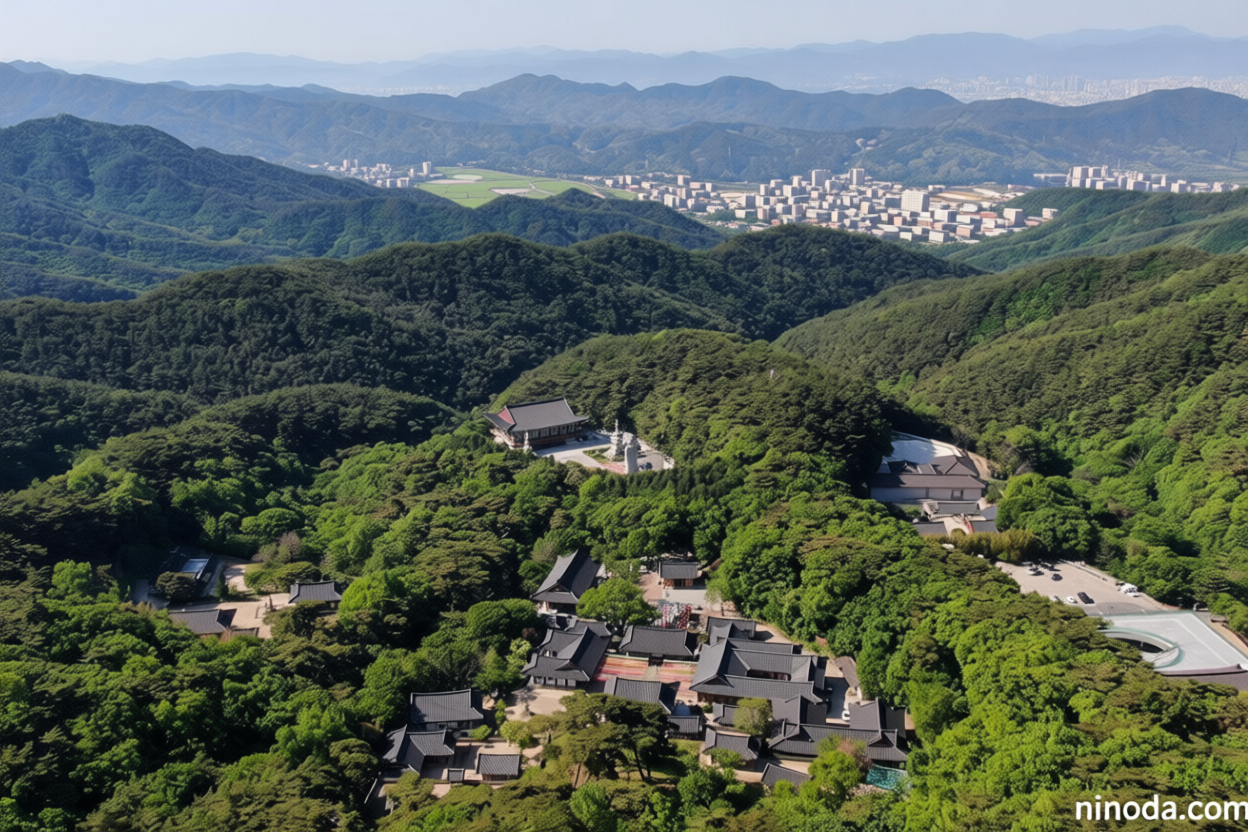
Ninoda.com – Nestled in the tranquil embrace of Palgongsan Mountain, an 8th-century Buddhist temple has become an unexpected hub for romance. Here, a group of young singles gathers for a 30-hour matchmaking event, designed to ease the challenges of finding a partner in a society where dating is increasingly difficult. Unlike traditional blind dates, this retreat blends mindfulness with modern social dynamics, offering a unique approach to reconnecting people.
Participants, selected from a pool of 1,600 applicants, arrive with mixed emotions. They’ve navigated a rigorous process that includes questionnaires and selfie videos, showcasing their commitment to marriage and parenthood. Despite the competition, many are driven by the same goal: to reverse South Korea’s alarming decline in birth rates. The country’s total fertility rate hit a record low of 0.72 in 2023, far below the 2.1 needed to sustain population growth. This crisis has prompted both government and community efforts to foster relationships.
“Buddhists have always been the first to take action when our country is in trouble,” says Yoo Cheol-ju, the retreat’s host. He references Donghwasa Temple’s historical role as a refuge for monk militias defending Korea against Japanese invaders in the 1500s. Yet this time, the threat is domestic—low birth rates are reshaping the nation’s future.
While economic growth and urbanization have shifted priorities, cultural norms and lifestyle changes are also playing a role. Young South Koreans report spending less time socializing, with studies showing reduced opportunities for casual interactions. In cities, small talk is rare, and dating apps have struggled to gain traction. Even Tinder, which rebranded as a “friend-finding” platform in 2015, has not fully solved the issue.
Challenges Beyond the Screen
For Kim Ah-kyung, now known by her Buddhist name Sunhyeji, the search for a partner became overwhelming after moving to a southeastern office job. “There’s really no chance to meet men,” she explains. “I only go between work and home. I don’t have a hobby—everything I tried was one-on-one.” Her situation reflects a broader trend: in workplaces, 97% of her colleagues are male, limiting opportunities for organic connections.
At the temple, a different atmosphere prevails. Chivalry is evident from the start as men eagerly assist women with luggage. Activities are structured to encourage interaction, from baking French pastries to guided strolls through wooded paths. One participant, Kwon Seung-oh (Enyo), admits his reluctance to meet strangers online. After 10 blind dates arranged by friends, he found them superficial. “They never went anywhere,” he says. Now, he’s here, hoping for a more meaningful connection.
Tradition Meets Modernity
The retreat’s organizers blend cultural heritage with contemporary needs. While the government offers extended parental leave and financial incentives, local groups have taken a more creative route. State-backed events like this one aim to revive the spirit of community-driven matchmaking, offering a break from the pressures of modern life.
As the day unfolds, participants engage in activities meant to bridge social gaps. The temple’s serene environment contrasts with the anxiety of finding a partner, but for many, it’s a chance to rediscover the joy of connection. In a country where dating feels like a chore, these efforts highlight a growing need for innovation in love and relationships.