‘Not happy with the performance’ – so why do England keep winning?

Not Happy with the Performance – So Why Do England Keep Winning?
Tuchel’s Critique and Bellingham’s Heroics
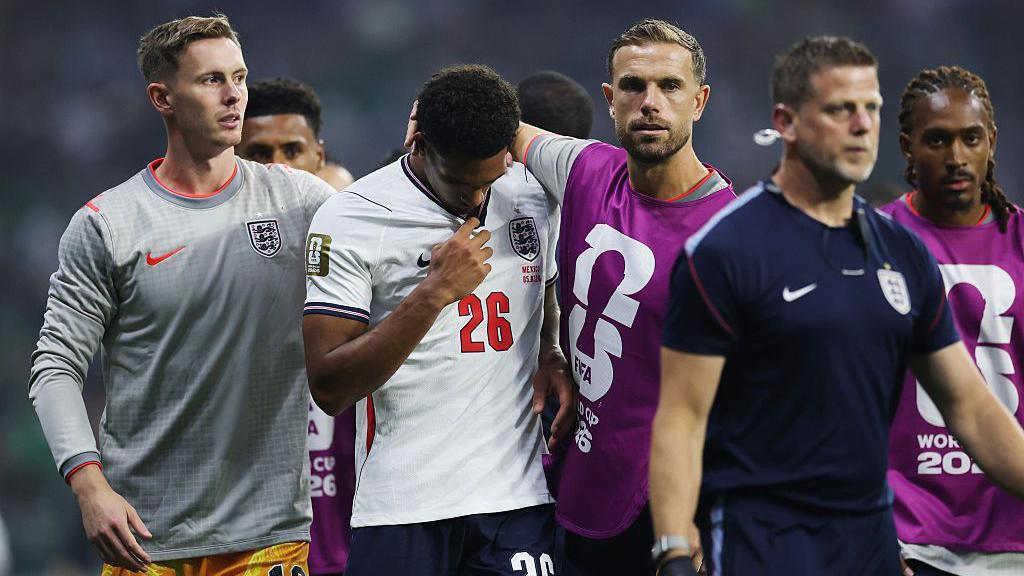
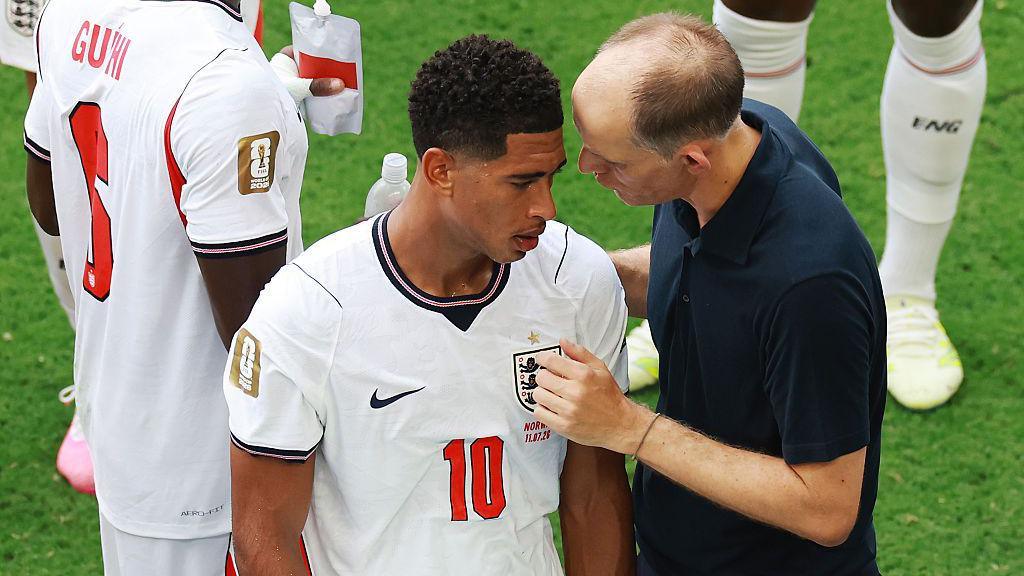
Ninoda.com – England’s victory over Norway in the World Cup quarter-final on Saturday was bolstered by Jude Bellingham’s standout contribution, with the midfielder netting two goals. However, despite the win, manager Thomas Tuchel expressed dissatisfaction with his team’s execution. “We made life very difficult for ourselves,” he remarked. “The result is fantastic, but I’m not happy with the performance.” While acknowledging the players’ effort, Tuchel emphasized areas for improvement: “I’m impressed with the determination, unity, and resilience they showed. But as a coach, I believe we can perform better. Our play lacked consistency, with frequent errors in technique, slow transitions, and insufficient repetition in possession.”
The Tactical Framework of Tuchel’s Squad
When assembling his World Cup roster, Tuchel outlined a clear tactical vision, prioritizing players who could fulfill specific roles. This approach was evident in the pre-tournament competition for the number 10 position between Bellingham and Morgan Rogers. The strategy revolves around principles like maintaining ball control, applying high pressure, and executing calculated passes to provoke defensive reactions. Once the opposition is drawn into position, the plan is to exploit gaps by accelerating play and targeting forwards in open spaces.
England’s Attacking Shape and Norway’s Defense
In the match against Norway, England’s 3-2-5 formation faced off against the Scandinavians’ 4-5-1 structure. The Three Lions’ front line included Marc Guehi, John Stones, and Ezri Konsa, supported by Declan Rice and Elliot Anderson in midfield. Left-back Nico O’Reilly was integrated into the attacking trio, creating numerical advantages against Norway’s back line. Tuchel highlighted England’s failure to sustain consistent possession, noting that their short passes on one flank were used to draw defenders before switching play to the far side.
Repetition and Momentum in Play
Tuchel’s frustration centered on England’s lack of rhythm in ball retention. “We weren’t fast enough,” he said, pointing to missed opportunities during the second half. The team’s first-half possession rate of 68% dropped to 44% as the game progressed, signaling a decline in their structured approach. Norway’s narrow back four and central midfielders’ positioning limited England’s ability to create clear chances, despite the tactical framework designed to exploit such setups.
“We made life very difficult for ourselves.” – Thomas Tuchel
Key Moments and Tactical Execution
In the 10th minute, England’s short passing on the left flank drew Norway’s defenders toward the ball, creating space for Kane to find Madueke in a one-on-one situation. This tactic, aimed at destabilizing the opposition, was employed effectively but seen less frequently as the game wore on. Tuchel’s desire for repetitive ball movement to break down defenses remained unfulfilled, as England struggled to maintain the tempo required to dominate possession.
Looking Ahead
While England’s ability to adapt and capitalize on set-piece opportunities has been a recurring theme, Tuchel’s critique underscores the need for tighter execution. The manager’s emphasis on wide triangles and positional rotations as primary attacking tools suggests a focus on refining these elements for future matches. As the tournament progresses, the balance between tactical discipline and on-field fluidity will be crucial in determining England’s success.