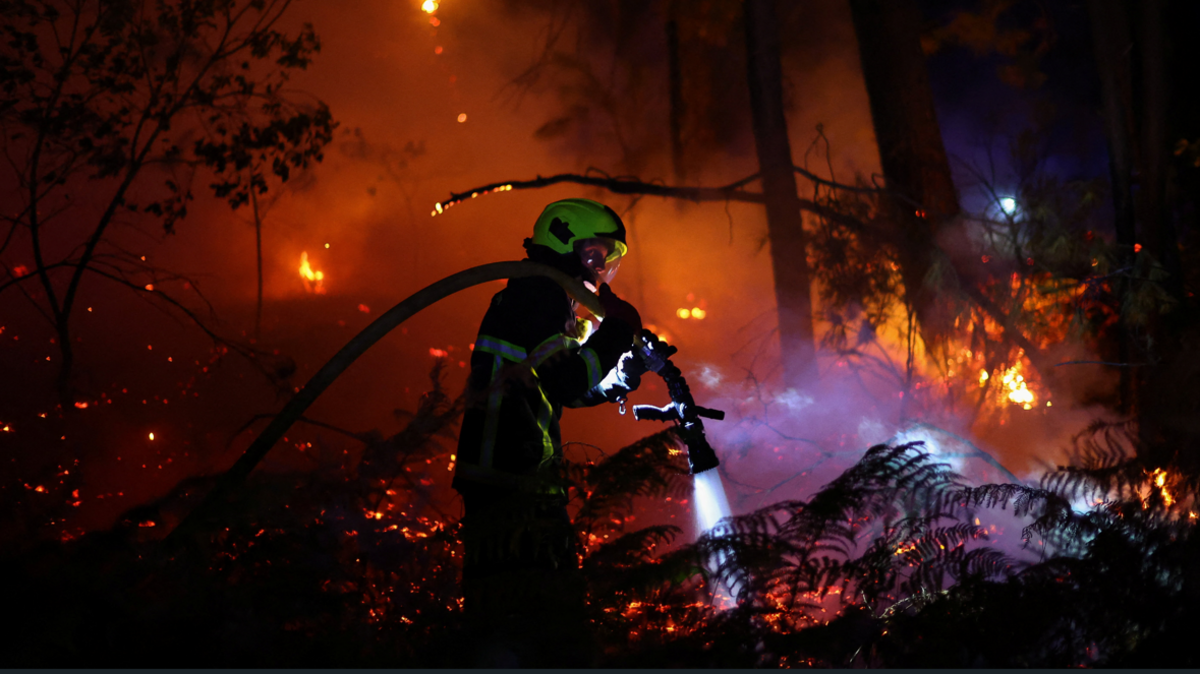
‘This landscape is completely charred’: Inside the village at epicentre of Spain’s wildfires

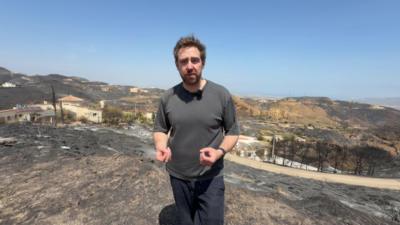
Spain’s Wildfires: A Charred Landscape in Bédar Village
Ninoda.com – When BBC correspondent Nick Beake arrived at the village of Bédar in southern Spain’s Almería province, he described the scene as “This landscape is completely charred.” The village, once a vibrant community, now lay in ruins, with entire homes reduced to ash and the surrounding terrain blackened by relentless flames. The firestorm, which erupted on Thursday, consumed over 6,600 hectares—equivalent to approximately 16,300 acres—leaving behind a desolate landscape. As the smoke lingered over the area, the devastation became clear: the once-thriving village had been transformed into a stark reminder of the power of nature’s fury.
The Devastation and Human Toll
The inferno’s intensity left no room for escape, claiming the lives of 12 individuals in its path. Families were forced to flee with only the clothes on their backs, while firefighters worked tirelessly to prevent further spread. The fire’s rapid advance was fueled by extreme heat, with temperatures in the region hovering near 40°C (104°F) for days. This created a perfect storm of conditions—dry vegetation, high winds, and unrelenting heat—that allowed the flames to consume everything in their wake. The loss of property and lives has left the community reeling, with many questioning how such a disaster could unfold so quickly.
Residents who returned to the village after the flames subsided described a haunting silence. The air was thick with the scent of burnt wood, and the ground, once fertile, now bore the scars of destruction. “This landscape is completely charred,” Beake reiterated, emphasizing the emotional weight of the scene. “It feels like standing in the middle of a sea of black, with nothing left but smoldering remains.” The visual impact of the disaster is as profound as its physical one, with entire neighborhoods reduced to skeletal remains and the village’s identity seemingly lost to the fire.
A Broader Crisis in Southern Europe
Bédar’s tragedy is not an isolated incident but part of a larger crisis gripping Southern Europe. Prolonged heatwaves and droughts this summer have exacerbated the region’s vulnerability to wildfires, with Almería being a hotspot for such events. The current fire season has seen a dramatic increase in the number of blazes, driven by a combination of natural factors and human activity. According to regional authorities, the frequency and scale of wildfires have surged by 40% compared to previous years, highlighting a growing environmental emergency.
While the focus remains on Bédar, the effects of the fires are felt across Spain and neighboring countries. In France and Portugal, similar outbreaks have displaced thousands and damaged critical infrastructure. The interconnectedness of these disasters underscores the need for coordinated regional efforts to combat climate-driven threats. Experts warn that without significant changes in land management and fire prevention strategies, such events could become more frequent and severe in the coming years.
As the ashes settle and the first signs of recovery begin to emerge, the question remains: how will Bédar rebuild? Local officials are working to assess the damage and plan for the future, while residents grapple with the loss of their homes and livelihoods. The village’s resilience in the face of catastrophe is a testament to its people, but the road to recovery will be long. “This landscape is completely charred,” Beake noted, “but the spirit of this community will not be.” With the support of national and international aid, there is hope that Bédar will not only survive but also emerge stronger from the ashes of this unprecedented disaster.