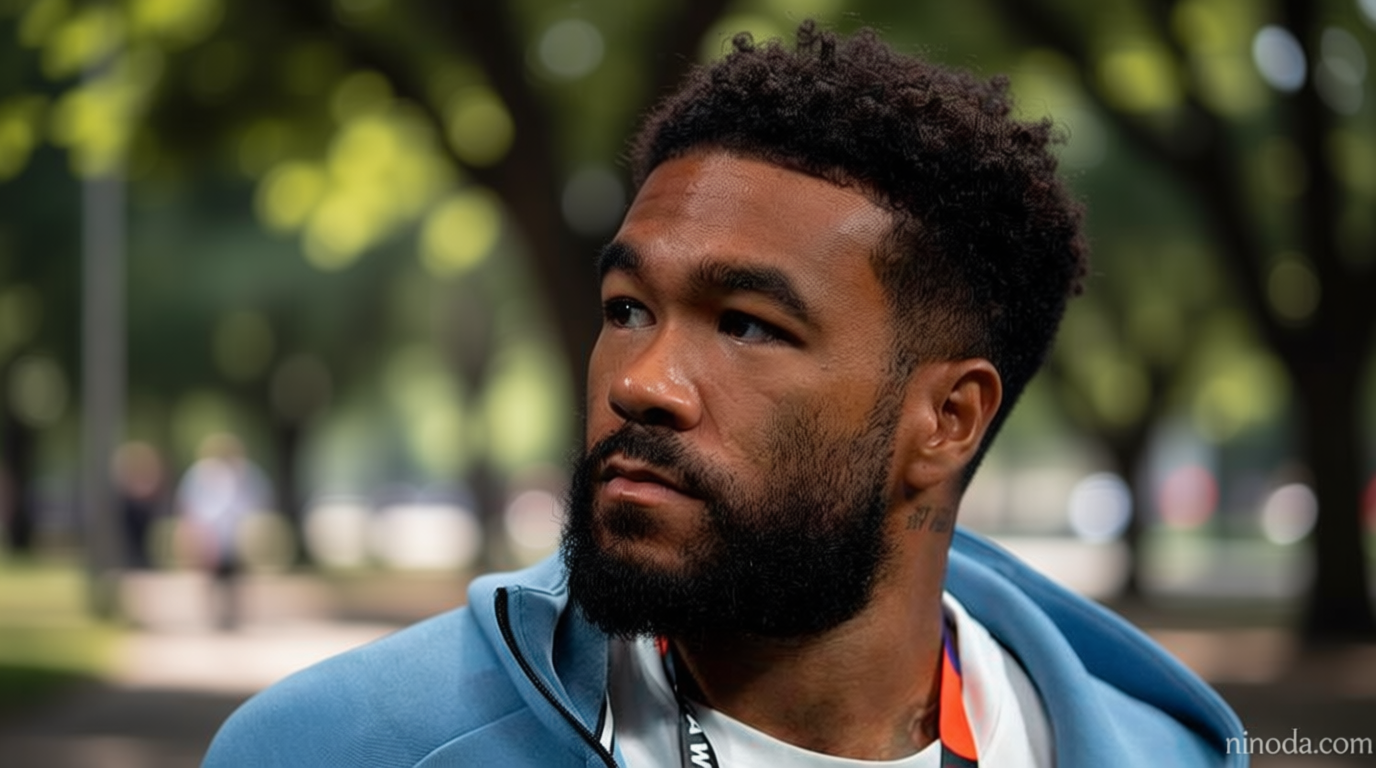
Infantino opens door to 64-team World Cup

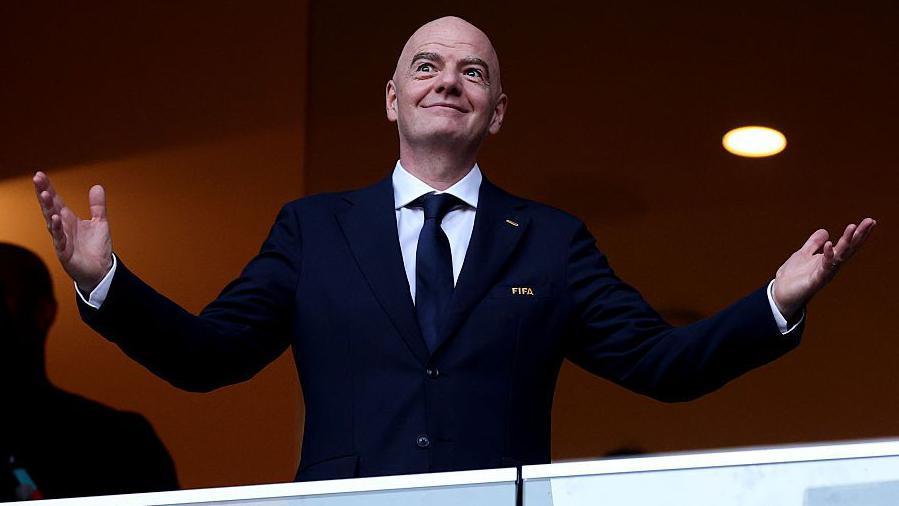
Infantino Opens Door to 64-Team World Cup
Ninoda.com – FIFA President Gianni Infantino has taken a significant step toward reshaping the future of international football by proposing the expansion of the men’s World Cup to 64 teams. This initiative, which has been under discussion for years, gained momentum after the South American football federation Conmebol formally introduced the idea in April 2025. While the final decision will be made following the 2026 tournament, Infantino’s advocacy for a more inclusive global format signals a potential shift in the sport’s structure. He argues that the tournament should reflect the diversity of the footballing world, ensuring that teams from all continents have a meaningful opportunity to compete on the grandest stage.
The Evolution of World Cup Expansion
Infantino’s push for a 64-team World Cup is part of a broader strategy to grow the sport’s global footprint. Since taking office in 2016, he has prioritized increasing the tournament’s scale, starting with a proposal to expand from 32 to 40 teams. That plan was endorsed by the FIFA council in 2017, leading to the 2026 World Cup being the first to feature 48 teams. The success of this expansion has now paved the way for further growth, as Infantino aims to make the World Cup truly representative of the entire footballing world. The 64-team format, which would involve a preliminary round to determine the final 32, is seen as a logical next step in this process.
Global Participation and Competitive Balance
“The quality of the teams is extremely high, and it’s getting higher and higher, all over the world,” Infantino noted. “If you don’t give smaller countries a chance to compete, they’ll lack the incentive to improve.”
The 2022 World Cup demonstrated the potential for broader representation, with nine African teams advancing to the knockout stages—a record high. This milestone, alongside the growing presence of teams from Asia, the Middle East, and North America, has fueled arguments for a 64-team format. Infantino believes that a larger tournament will not only elevate the profile of emerging football nations but also create a more balanced competition. By giving more teams a chance to qualify, the proposal aims to foster a sense of belonging and motivation across the global football community.
Challenges and Concerns
Despite the appeal of a 64-team World Cup, the proposal has faced skepticism from some footballing bodies. UEFA president Aleksander Ceferin criticized the idea, calling it a “bad idea” that could dilute the tournament’s prestige. He argued that the expanded format might lead to a decline in the quality of matches due to the sheer volume of games. Similarly, AFC president Sheikh Salman bin Ibrahim Al Khalifa warned that the change could introduce “chaos,” potentially straining the administrative and logistical frameworks of the sport. Concacaf’s Victor Montagliani also expressed doubts, emphasizing that the expansion might disrupt the existing football ecosystem.
Logistical Demands and Host Nation Impact
The move to 64 teams would significantly increase the number of matches, with the 2026 tournament already featuring 64 games in the group stage. If the format is approved, the 2030 World Cup, co-hosted by Spain, Portugal, and Morocco, would likely include even more games, raising questions about the logistical burden on host nations. The 2034 edition, hosted by Saudi Arabia, is expected to test the limits of this expansion, as the country will need to manage a potential record number of matches. While these challenges are real, Infantino maintains that the benefits of global engagement outweigh the complexities of execution.
Revenue and Development Opportunities
Infantino’s proposal for a 64-team World Cup is also driven by financial incentives. A larger tournament would generate more revenue for FIFA and member associations, providing resources for football development in underrepresented regions. He highlighted that the expansion would offer smaller nations the chance to compete on a global stage, which in turn could inspire greater investment in grassroots programs. “This is about creating opportunities for every country to showcase its talent,” Infantino stated, underscoring the economic and developmental potential of the proposal.
The Road Ahead
As the FIFA council continues its evaluation of the 64-team plan, the debate over its merits and drawbacks remains intense. While some leaders fear the expansion might compromise the tournament’s quality, others see it as a necessary evolution to maintain football’s global relevance. The 2026 World Cup, now underway, will serve as a critical test case, with its outcomes likely influencing the final decision. Infantino’s vision for a more inclusive and expansive World Cup is gaining traction, but its success will depend on balancing growth with the sport’s traditional values. For now, the 64-team World Cup remains a tantalizing possibility, poised to reshape the landscape of international football for years to come.