Why switching to save money is easier than you might think

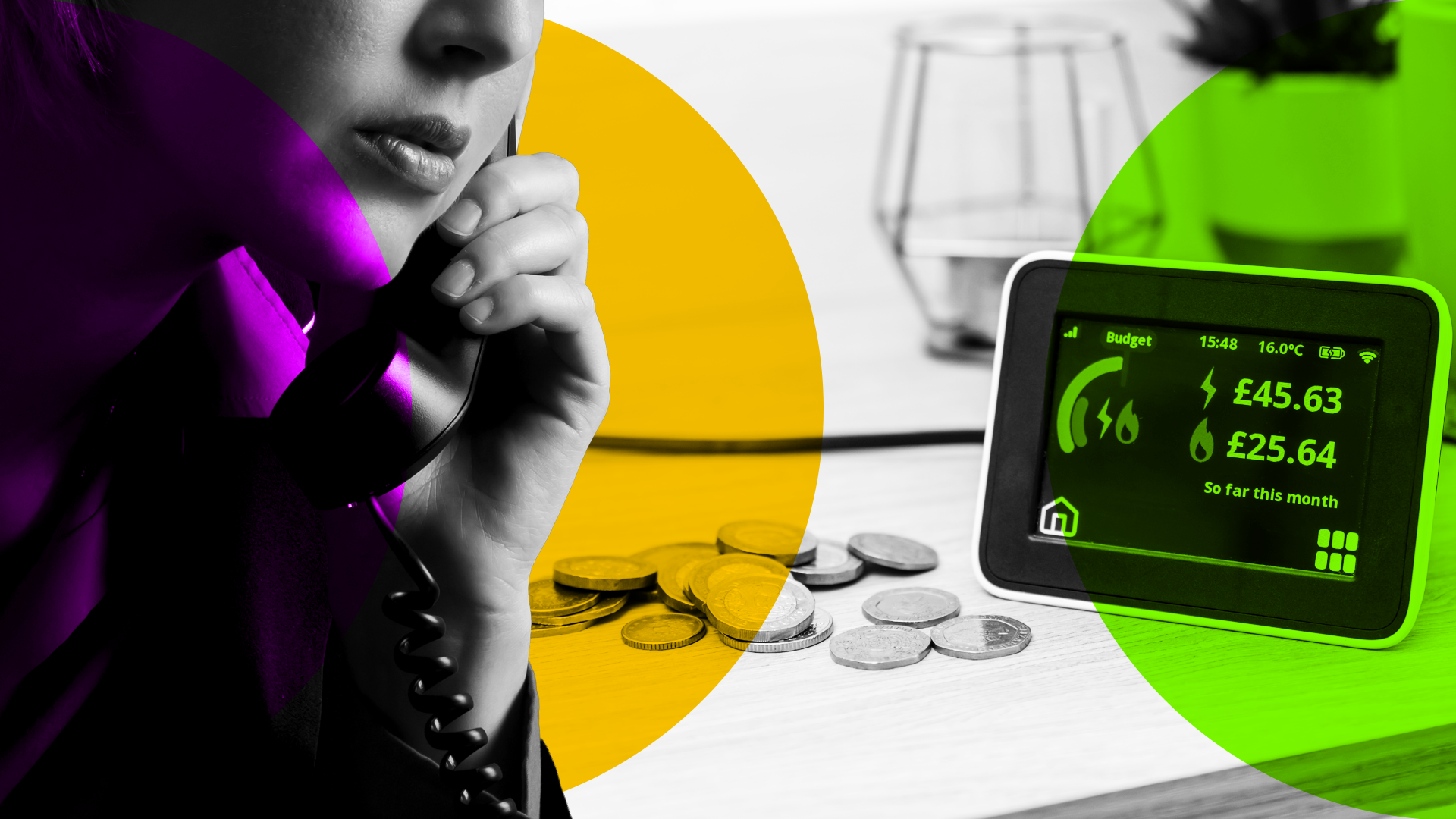
Why Switching to Save Money is Easier Than You Might Think
Ninoda.com – Switching to save money is often perceived as a time-consuming and complex process, but recent advancements have made it surprisingly straightforward. Whether you’re looking to change your broadband provider, pay-TV subscription, or energy supplier, the steps required to secure better deals are now more accessible than ever. With the right tools and guidance, individuals can reduce their monthly expenses by hundreds of pounds—sometimes with just a few clicks or a single phone call. Banks, too, have introduced incentives to encourage customers to switch accounts, making it easier than ever to optimize personal finances. This shift reflects broader efforts to simplify consumer choices and empower individuals to take control of their spending.
Regulatory Reforms and Consumer Empowerment
Regulatory bodies have played a pivotal role in making switching processes more user-friendly, especially as living costs continue to rise. One key development is the introduction of the One Touch Switch service by Ofcom, which allows customers to contact only their new provider without needing to engage with the old one. This eliminates common obstacles like call hold times and aggressive sales tactics, which were once major barriers to switching. Additionally, the regulator has implemented stricter penalties for companies that hinder customers, such as Virgin Media’s £28m fine for obstructing contract cancellations. These measures ensure that switching is not only easier but also fairer for consumers.
While the exact savings will depend on individual circumstances, the streamlined process means that even those who previously avoided switching can now do so with minimal disruption. For example, comparing energy tariffs is now simpler than ever, thanks to online comparison tools that provide clear insights into price differences. Similarly, broadband and pay-TV providers have introduced easier cancellation policies, reducing the effort required to switch. These changes demonstrate how regulatory efforts have directly improved consumer experiences, making it possible to save money without the fear of a lengthy and complicated process.
Bank Account Switching: A Straightforward Solution
Switching bank accounts has become one of the most convenient financial moves a person can make. The Current Account Switch Service, established to facilitate seamless transitions, handles the majority of the work, including transferring direct debits, standing orders, and balances. All a customer needs to do is provide their account details to the new bank, select a move date, and let the system do the rest. This process not only saves time but also minimizes the risk of errors that could lead to financial losses. For those with overdrafts, the new bank is responsible for covering the existing balance, ensuring a smooth transition without unexpected debt accumulation.
One of the biggest advantages of switching accounts is the financial incentives offered by banks. Many institutions provide cashback rewards, reduced fees, or improved interest rates to attract new customers. These offers are designed to make the process even more appealing, as they can significantly enhance savings potential. Moreover, the cooling-off period and reimbursement policies offer a safety net, allowing customers to feel confident about their decision. With these tools in place, switching bank accounts is no longer a daunting task but a practical way to reduce costs and improve financial management.
Energy Supplier Switching: A Clear Path to Savings
Switching energy suppliers has also become much more manageable, thanks to regulatory reforms and digital platforms. The process now takes just five days, with a 14-day cooling-off period that lets customers cancel without penalty. To initiate a switch, consumers need to provide essential details such as their postcode, current provider, and annual energy usage. This information is typically found on bills or energy statements, and switching services can help gather it efficiently. By comparing tariffs and pricing structures, households can identify the most cost-effective options and switch without the hassle of manual calculations.
One critical factor to consider when switching energy providers is the payment method. Direct debit arrangements generally offer lower prices compared to quarterly billing, as they incentivize long-term commitments. However, it’s important to clear any outstanding bills before initiating the switch to avoid additional charges. Additionally, accurate meter readings are necessary to ensure correct billing from both the old and new suppliers. These steps, while simple, underscore how switching energy providers is now a logical and practical strategy for households looking to save money without significant effort.
Switching Across Services: A Strategic Approach
Switching services is not just about cost savings—it’s also about aligning your choices with your lifestyle and needs. Whether it’s broadband, pay-TV, or energy, the decision to switch should be informed by a clear understanding of what’s best for you. For instance, if you frequently use streaming services, a provider with faster internet speeds might be worth the investment. Similarly, energy suppliers offering green tariffs can help reduce environmental impact while saving money. By taking the time to research and compare, individuals can make choices that suit their budget and preferences.
Ultimately, the process of switching to save money is a valuable skill that can lead to long-term financial benefits. With the right tools, knowledge, and a willingness to take action, even the most hesitant individuals can make the switch. The key is to start early, gather necessary information, and take advantage of the streamlined processes available