The SpaceX IPO made history. One month on has it lost momentum?

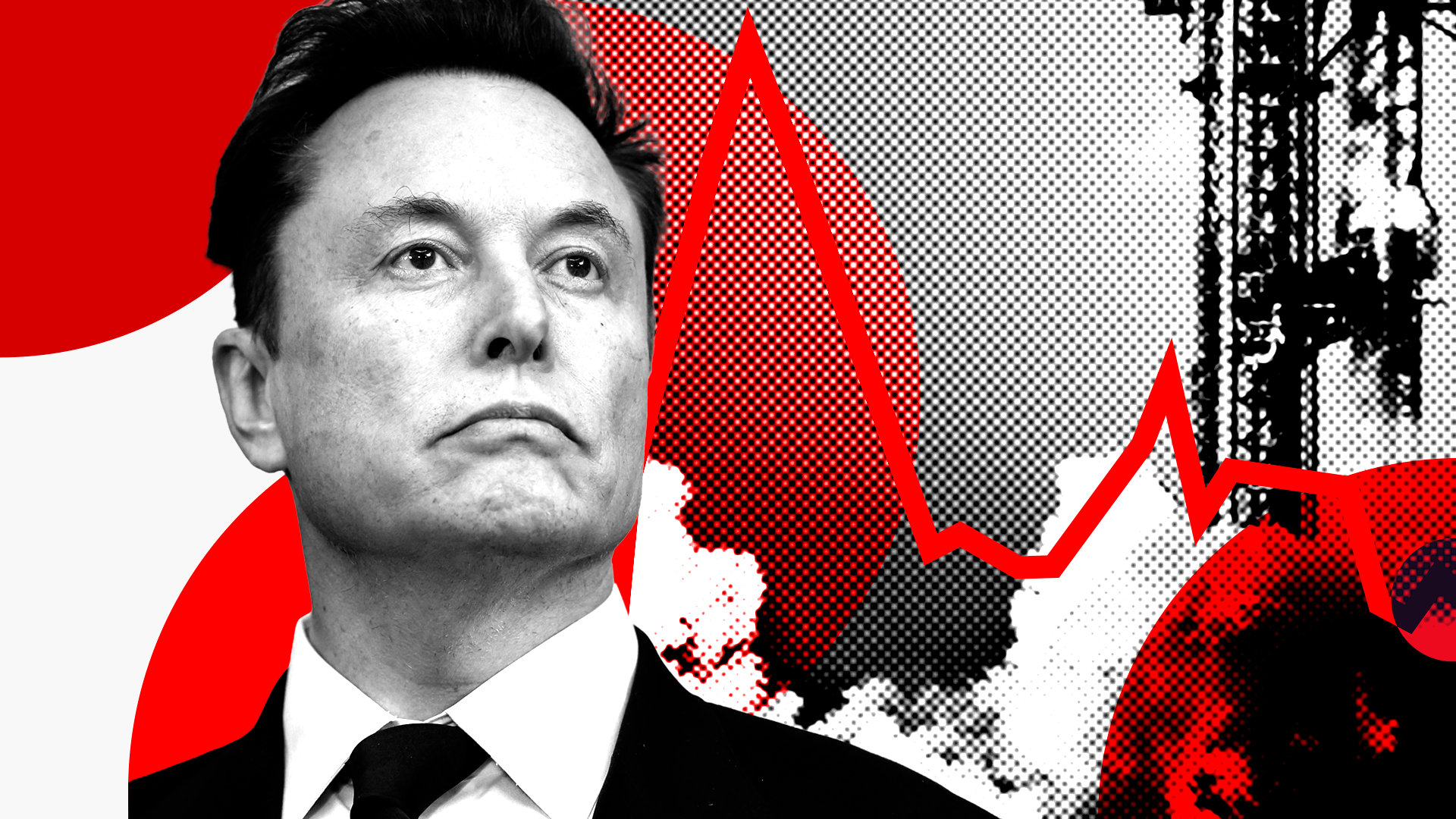
The SpaceX IPO made history. One month on has it lost momentum?
Ninoda.com – The SpaceX IPO made history by becoming the largest debut in Wall Street’s history, surpassing previous records with a valuation that captivated global markets. Founded by Elon Musk, the company’s journey from private venture to publicly traded entity has sparked intense debate among investors. While the initial share price surge reflected optimism about the future of space exploration and AI integration, the stock has since experienced a notable dip, prompting questions about its long-term prospects.
A Record-Breaking Debut and Market Expectations
On June 12, SpaceX’s shares hit the public markets with a price of $135 per share, only to skyrocket to $176 in the first few hours of trading. This dramatic rise positioned the company as the most valuable IPO in history, with its market cap briefly surpassing that of Amazon and Microsoft within days. The event drew widespread attention, as it symbolized a shift in how investors perceive space technology and its potential to disrupt traditional industries.
“The SpaceX IPO made history not just for its size, but for the way it redefined the public market’s appetite for futuristic ventures,” remarked tech analyst Rachel Nguyen. “Musk’s vision created a narrative that blended space exploration with AI, making it a unique investment proposition.”
AI Hype and Financial Reality
Initially, the IPO’s success was fueled by speculation about SpaceX’s AI capabilities, particularly after the rebranding of Musk’s xAI startup as SpaceXAI. Investors saw the company as a bridge between cutting-edge technology and real-world applications, such as satellite internet and interplanetary travel. However, as the market digested the facts, the focus shifted to SpaceX’s core revenue streams—rocket manufacturing and Starlink services—which are less directly tied to AI.
“The hype around AI was a double-edged sword,” said investor strategist Liam Carter. “While it drove the initial price surge, the lack of immediate AI profitability has led to a recalibration of expectations.”
Market Volatility and Investor Behavior
Despite its meteoric rise, the SpaceX stock has shown volatility in its first month as a public company. A sharp decline occurred after Starlink announced price cuts in Memphis, Tennessee, reflecting adjustments to its service model. This move, while strategic, triggered sell-offs among some investors. The stock’s further drop to $145, a 18% decline from its opening high, underscores the challenges of translating futuristic ambitions into tangible financial returns.
“The SpaceX IPO made history by demonstrating the power of visionary leadership, but its performance also highlights the risks of overhyping a company’s potential,” added financial journalist Emma Roberts. “Investors are now evaluating whether the initial excitement was justified by fundamentals.”
The stock’s recent movements have mirrored the dynamics of meme stocks, where retail investors and social media platforms play a significant role. While early backers who purchased shares at the IPO price or held pre-IPO equity remain insulated from the decline, those who entered later have faced losses. Analysts suggest that the stock may continue to fluctuate as the market balances Musk’s bold projections with actual performance metrics.
Musk’s Vision and the Path Forward
Elon Musk’s ambitious vision for SpaceX, including a projected $1tn annual revenue target by 2030, has kept the company in the spotlight. His ability to leverage shares as a currency—such as acquiring Cursor, an AI coding startup, through an all-stock deal valued at $60bn—has demonstrated the IPO’s strategic flexibility. However, the market’s reaction to SpaceX’s core operations, like the Starlink data centre leasing and rocket launches, remains a key factor in its valuation.
As the first month of trading draws to a close, the IPO’s trajectory raises critical questions about how markets assess companies with transformative potential. While the initial success of the SpaceX IPO made history, its current performance is a test of whether such momentum can sustain itself in the face of evolving investor priorities and market realities.
With the stock trading near $145, analysts predict a potential further drop to $115, which would value the company at around $1.5tn. This projection highlights the gap between the IPO’s historical significance and the ongoing evaluation of its financial viability. As the market continues to adapt, the future of the SpaceX IPO will hinge on its ability to deliver consistent returns and solidify its position as a leader in both space and AI innovation.