Andy Serkis defends lack of diversity in Lord of the Rings cast

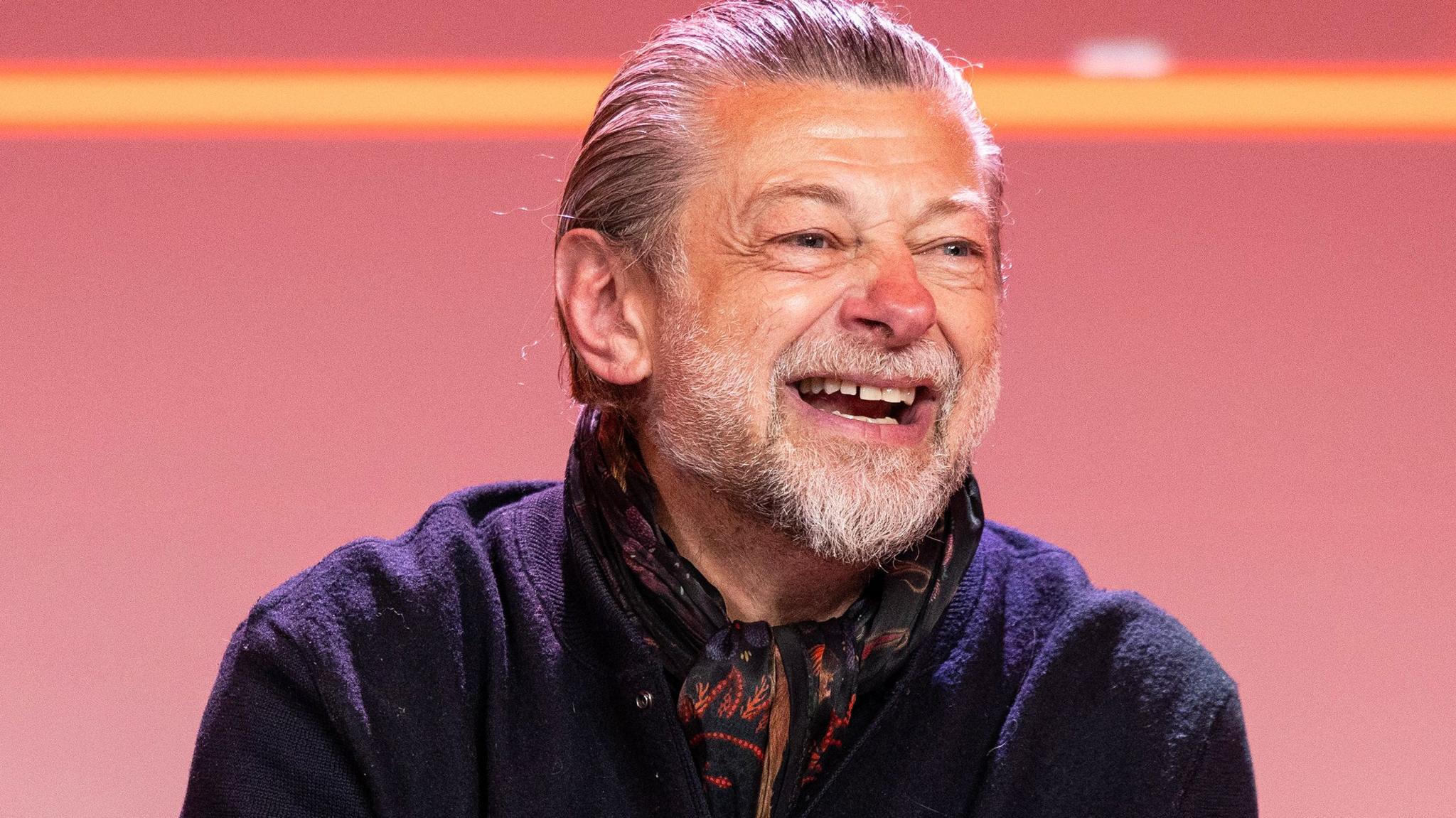
Andy Serkis Defends Lack of Diversity in Lord of the Rings Cast
Ninoda.com – Andy Serkis, the acclaimed motion capture actor best known for his iconic portrayal of Gollum in Lord of the Rings and Caesar in the Planet of the Apes series, recently addressed ongoing debates about the diversity of the cast in the Tolkien-inspired saga. As he prepared for the release of The Hunt for Gollum, a new film exploring the origins of the Hobbit character, Serkis took the opportunity to explain his perspective on the franchise’s casting choices. “The lack of diversity in the Lord of the Rings cast is something that’s been discussed for decades,” he remarked during a virtual press event. “While I understand the critiques, I believe there’s a balance between preserving the essence of the story and embracing modern inclusivity.”
Evolution of the Tolkienverse and Narrative Focus
Serkis highlighted that The Hunt for Gollum serves as a bridge between The Hobbit and the Lord of the Rings trilogy, capturing the early stages of Gollum’s tragic journey. He emphasized that the film’s narrative prioritizes character depth over superficial representation, with its story centered on the psychological complexity of Gollum and the mystery of the One Ring. “The Shire, as a place of simplicity and tradition, reflects the characters’ focus on their own lives,” he said. “This isn’t a dismissal of diversity, but a recognition that the story’s core lies in its timeless themes of greed, loyalty, and identity.”
“Tolkien’s world was shaped by the cultural context of his time, and that’s something we acknowledge,” Serkis added. “While we aim to honor the source material, we’re also mindful of the evolving expectations of audiences today.” He noted that the Shire’s characters, like Bilbo and Frodo, are rooted in a specific historical and literary framework, which influences casting decisions. “It’s not that we’re excluding diverse talent,” he clarified, “but that the roles require a certain type of portrayal to stay true to the narrative.”
Casting Decisions and Industry Standards
Despite the film’s focus on character-driven storytelling, some critics have pointed to the continued dominance of white actors in the Lord of the Rings franchise. Serkis acknowledged this, stating that while the current cast includes a mix of returning and new talent, the role of diversity in the industry is an ongoing conversation. “I’ve always been an advocate for equal representation,” he said, “but I think it’s important to consider the story’s requirements when making casting choices.” He cited examples of actors like Jamie Dornan and Anya Taylor-Joy, who bring fresh perspectives to their roles, while also mentioning the impact of seasoned performers like Ian McKellen and Elijah Wood.
His remarks reflect a broader discussion about the challenges of integrating diversity into classic franchises. “It’s not about ticking boxes,” Serkis stressed, “but about ensuring the characters feel authentic to the world they inhabit.” He pointed to the success of the Planet of the Apes series, where diversity was embraced in a way that enhanced the narrative, as a model for future projects. “That’s the kind of inclusivity we’re striving for in this film,” he explained, “even if it doesn’t always align with current trends.”
Legacy of the Franchise and Future Directions
As the Lord of the Rings saga continues to evolve, Serkis remains committed to honoring its legacy while adapting to modern sensibilities. He mentioned that the upcoming film Shadow of the Past, written by Stephen Colbert, will further explore the characters’ backstories, including those of the Shire’s inhabitants. “We’re aiming to deepen the world-building without losing the heart of the original stories,” he said. This approach, he argued, allows for a nuanced discussion of diversity in the context of a long-established mythos.
Serkis also touched on the broader implications of his stance, noting that the debate over diversity in film is a reflection of changing societal values. “The Lord of the Rings has always been a mirror for the times,” he observed. “Today’s audiences expect more representation, but we’re working to meet those expectations without compromising the integrity of the characters or the story.” His comments underscore the delicate balance between tradition and innovation in adapting beloved tales for contemporary viewers, a challenge that continues to shape the film industry.