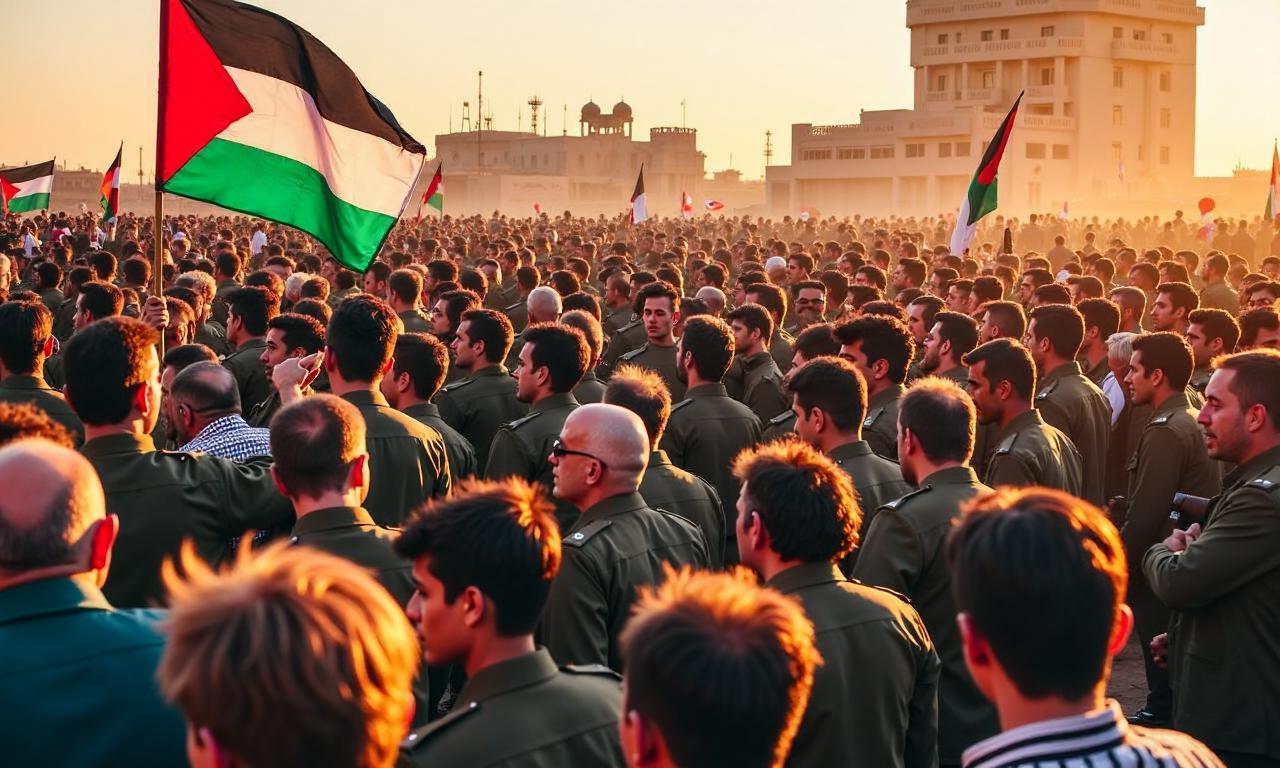
Paul Adams: British-Israeli relations at lowest ebb in decades

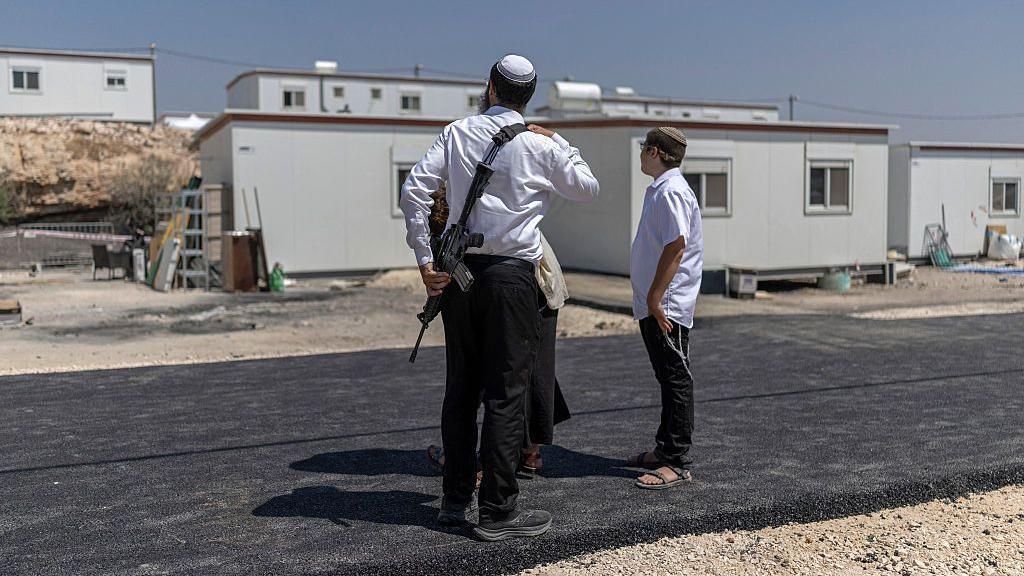
Table of Contents
Britain’s settlement ban signals a sharp break in relations with Israel
Ninoda.com – Britain’s decision to prohibit trade connected to Israeli settlements in the occupied West Bank has opened one of the most serious rifts between London and Jerusalem in decades. The move was made alongside 11 other countries, including France, Spain and Canada, giving the measure greater international weight and intensifying Israel’s response.
Israeli officials reacted rapidly and angrily. Measures announced against Britain included closing the UK consulate in East Jerusalem, which has long served the West Bank and maintained direct contact with the Palestinian Authority in Ramallah. British representatives were also removed from the International Gaza Support Centre, created last year to help coordinate relief and stabilisation work in Gaza.
Those steps underline the political importance Israel attaches to the new sanctions. Settlement-produced goods account for only a limited part of Israeli exports, but the decision to single them out carries far wider significance. It challenges the practical separation that many governments have maintained for years between Israel itself and settlements built in territory occupied since the 1967 Six Day War.
A broader economic measure
Successive British governments have regarded settlements in occupied Palestinian territory as illegal under international law, yet had stopped short of banning goods grown or made there. The new policy goes substantially further.
Foreign Secretary Ed Miliband said Britain accepts the International Court of Justice’s 2024 finding that the occupation as a whole, including Israel’s military presence, is unlawful. In his view, the country’s economic ties must now be consistent with that position.
The restrictions therefore extend beyond settlement products. They also affect businesses involved in constructing, financing or providing infrastructure for settlements. Britain has additionally imposed limits on arms sales that “materially contribute to the occupation”.
The practical effects will depend on how the policy is applied to individual companies and supply chains. Its immediate impact, however, is diplomatic: Britain is aligning its trade policy more directly with its legal and political assessment of the occupation.
Miliband’s unusually forceful language
The foreign secretary’s language was as consequential as the policy itself. Presenting the change as a “reset” in Britain’s approach, Miliband spoke personally about his identity and his support for Israel while delivering a severe criticism of the Israeli government’s conduct in the West Bank.
“Proud British Jew… unwavering in my support for the state of Israel,”
He said settler violence had reached an alarming scale and accused the Israeli authorities of failing to act against it. His remarks marked a striking departure from the more guarded public language often used by British foreign ministers.
“Settler terrorism is rampant”
Miliband also said Palestinians in parts of the West Bank were facing “ethnic cleansing”, adding that the Israeli government had “turned a blind eye to this”. Such wording is likely to deepen the dispute because it touches the central arguments surrounding settlement expansion, Palestinian displacement and Israel’s security responsibilities.
Violence has been a major source of tension in the West Bank. Six people, including three school pupils, have been killed this year in the village of al-Mughayyir amid a rise in settler-related attacks against Palestinians. The issue has become increasingly difficult for governments allied with Israel to treat as separate from the wider conflict.
Israeli anger and domestic pressures
Israel’s foreign minister, Gideon Saar, delivered a particularly severe response. The prospect of an Israeli election may have sharpened the political atmosphere, but the anger is not confined to one party or one minister.
Many Israelis are critical of the violent and religiously driven ideology associated with some settlers. Some regard the most extreme groups as damaging to Israel’s reputation and interests. Yet criticism of settler violence does not necessarily mean acceptance of the broader claim that all settlements are illegal. For many Israelis, that conclusion remains profoundly contested.
This helps explain the defensive reaction to the international action. Israelis have faced mounting external pressure in several arenas, from demonstrations linked to Eurovision and sporting events to arrest warrants involving national leaders. The addition of trade restrictions on settlement goods can therefore be seen inside Israel as another sign of growing diplomatic isolation.
Former prime minister Ehud Olmert argued last year that Benjamin Netanyahu had turned Israel into an international pariah. Most Israelis would strongly reject that description, but concern over the country’s standing abroad has become harder to ignore.
Palestinian response
For Palestinians, the coordinated sanctions represent a meaningful advance after years in which international opposition to settlements was often expressed without corresponding economic action. The Palestinian foreign ministry welcomed the countries involved but said further immediate and concrete measures were needed to stop what it described as Israel’s illegal settlement enterprise.
Palestinian ambassador Dr Husam Zomlot called Britain’s decision “a turning point in the UK-Palestine relationship”. He said the measures could help advance Palestinian independence on the 1967 borders, with East Jerusalem as the capital.
The dispute reflects a larger unresolved question: whether international condemnation of settlement activity can translate into policies capable of altering conditions on the ground. Britain’s action will not settle that question on its own, nor will it resolve the conflict between Israelis and Palestinians. But it has changed the terms of Britain’s involvement.
London is no longer limiting itself to declaring settlements unlawful while retaining normal economic links with the systems supporting them. Israel, meanwhile, has responded as though a longstanding relationship has crossed a significant line. The resulting strain places British-Israeli relations at a low point not seen for many years.
Related Reading
Frequently Asked Questions
What is Paul Adams?
Paul Adams is the main topic of this guide. The article explains the context, practical details, and next steps readers should understand.
Why does Paul Adams matter?
Paul Adams matters because readers are looking for a useful answer, not just a short summary. Good content should match search intent and help them decide what to do next.