‘If we die, we die together’: Wife of man nearly sucked out of Ryanair plane speaks of ordeal

If We Die, We Die Together: Wife of Ryanair Passenger Shares Ordeal of Near-Disaster
Decompression Incident During Flight
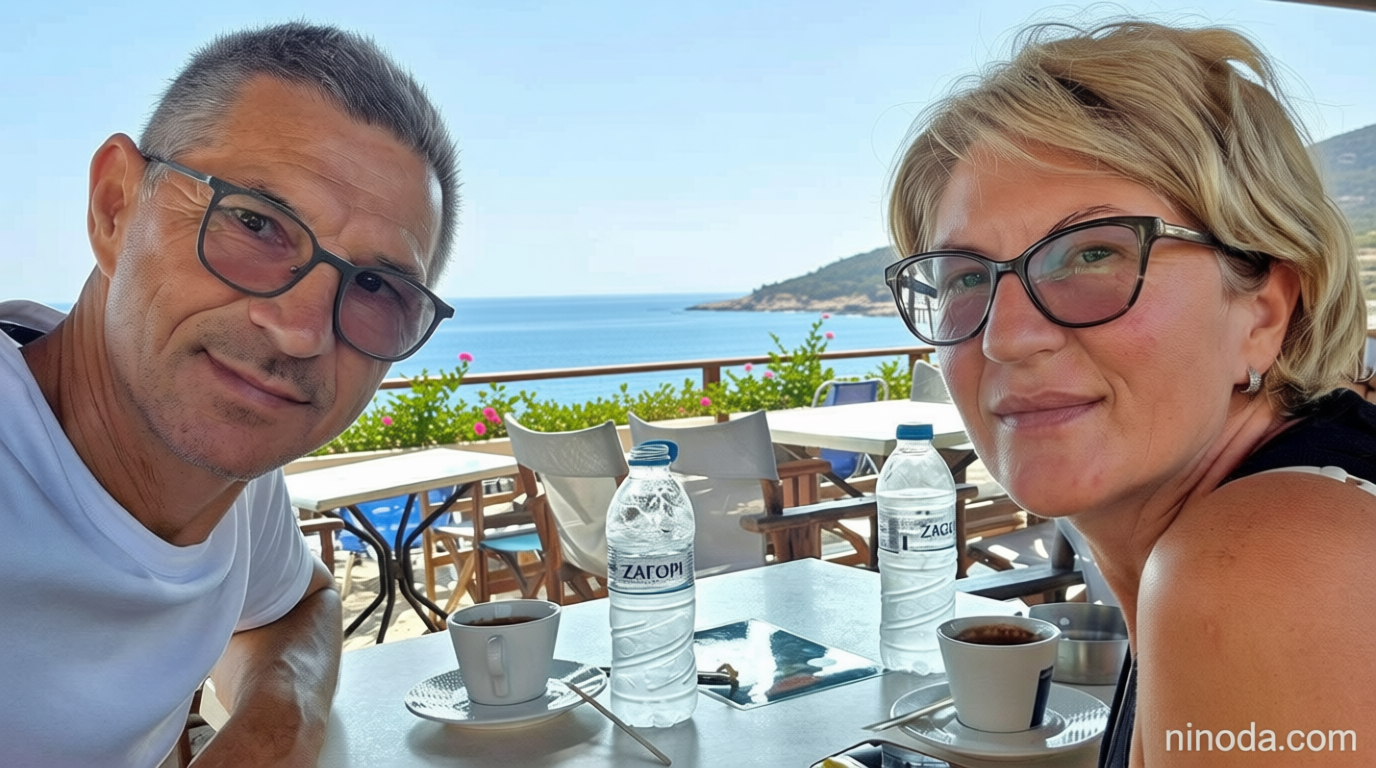
Ninoda.com – The tragic incident unfolded during a Ryanair flight from Thessaloniki to Memmingen, where a sudden decompression event left one passenger in critical condition. Svetlana Grković, the wife of Ljubisa Karović, recounted the harrowing experience to Greek public broadcaster ERT. She emphasized the urgency of the moment, stating, “If we die, we die together,” as she and two other passengers fought to pull her husband back into the cabin after he was partially exposed for two minutes. The event, which occurred mid-flight, caused widespread panic and drew attention from aviation authorities and media outlets around the world.
According to reports, the decompression was triggered by a sudden loss of cabin pressure, which left Karović’s head and shoulders outside the aircraft. A fellow passenger, Christina, described how the crew initially suspected an emergency door had been opened, leading to confusion and chaos in the cabin. Video footage captured the moment the window shattered, with a suitcase and debris partially ejected from the plane. The incident highlighted the vulnerability of air travel and the critical role of quick responses from passengers and crew in preventing fatalities.
Passenger’s Condition and Injuries
Grković’s account detailed the severity of the injuries sustained by her husband. She explained that Karović’s hand was severely damaged, and he suffered burns that left him in a state of shock. Despite the injuries, he remained seated during the crisis, which helped stabilize his position. Another passenger, Sofia, described the experience as “extreme decompression,” noting the sensation of difficulty breathing and the man’s repeated loss of consciousness. The emotional toll of the event was evident, with Grković expressing her fear for their lives during the ordeal.
Medical professionals confirmed that Karović was in a critical condition upon landing in Thessaloniki. The incident is now under investigation by the Hellenic Air and Rail Safety Investigation Authority, with international aviation authorities such as Boeing and the Federal Aviation Administration (FAA) assisting in the probe. The focus keyword “If we die, we die together” resonates strongly in Grković’s words, underscoring the shared fate of those on board during the crisis. The family’s technical adviser suggested that the accident may have begun with a failure in the right engine, which led to debris damaging the window and causing the decompression.
Flight Details and Crew Response
Ryanair stated in a press release that the incident occurred shortly after take-off when a passenger window dislodged in flight. The aircraft, an 18-year-old Boeing 737-800 operated by Fraport Greece, landed safely in Thessaloniki, where Karović received immediate medical care. The crew’s actions during the emergency were crucial in ensuring the safety of the remaining passengers. While the initial confusion about the emergency door was quickly resolved, the passengers’ bravery in assisting Karović was praised by aviation experts and media outlets.
Grković’s emotional recounting of the event, including the moment she grabbed her husband’s legs and the fear that gripped her, has become a focal point in discussions about aviation safety. The phrase “If we die, we die together” encapsulates the bond between spouses and the shared responsibility in moments of crisis. As the investigation continues, attention is also turning to the structural integrity of the aircraft and the potential for similar incidents in the future. The aviation community is now examining whether the Boeing 737-800 model is prone to such occurrences, especially under high-altitude conditions.
Psychological Impact and Recovery
The psychological trauma experienced by Grković and the other passengers is a key aspect of the story. She described the fear and adrenaline that surged through the cabin, with passengers scrambling to secure their seats and assist Karović. The phrase “If we die, we die together” reflects not only the physical danger but also the emotional connection between individuals in such an event. Grković’s account has sparked conversations about the importance of passenger preparedness and the role of personal relationships in survival scenarios.
Following the incident, Ryanair has pledged to review its safety protocols and provide updates on the investigation. The airline’s statement reassured passengers that the flight was under control and that Karović was receiving the necessary care. As the aircraft returned safely to the ground, the passengers’ quick thinking and teamwork were highlighted as critical factors in minimizing the damage. The focus keyword “If we die, we die together” continues to echo in the memories of those who lived through the ordeal, serving as a reminder of the fragility of life during air travel.
Global Response and Safety Concerns
The incident has drawn international attention, with aviation experts analyzing the possible causes and discussing the implications for flight safety. Grković’s story has been featured in multiple news outlets, emphasizing the shared experience of passengers during the decompression event. The phrase “If we die, we die together” is now used to describe the collective effort to ensure safety in emergencies, as well as the personal stakes involved for those on board.
As the investigation proceeds, the focus keyword remains central to the narrative. Aviation authorities are examining the structural integrity of the Boeing 737-800 and the role of the engine failure in triggering the incident. The case has also raised questions about the design of aircraft windows and the effectiveness of emergency procedures during decompression events. Grković’s experience serves as a poignant example of how quickly a routine flight can turn into a life-threatening situation, reinforcing the need for vigilance and preparedness in aviation safety. The phrase “If we die, we die together” is likely to be remembered as a powerful testament to human resilience and unity in the face of disaster.