Tourists warned of methanol poisoning risks in new campaign

UK Campaign Warns Travelers About Methanol Poisoning Dangers
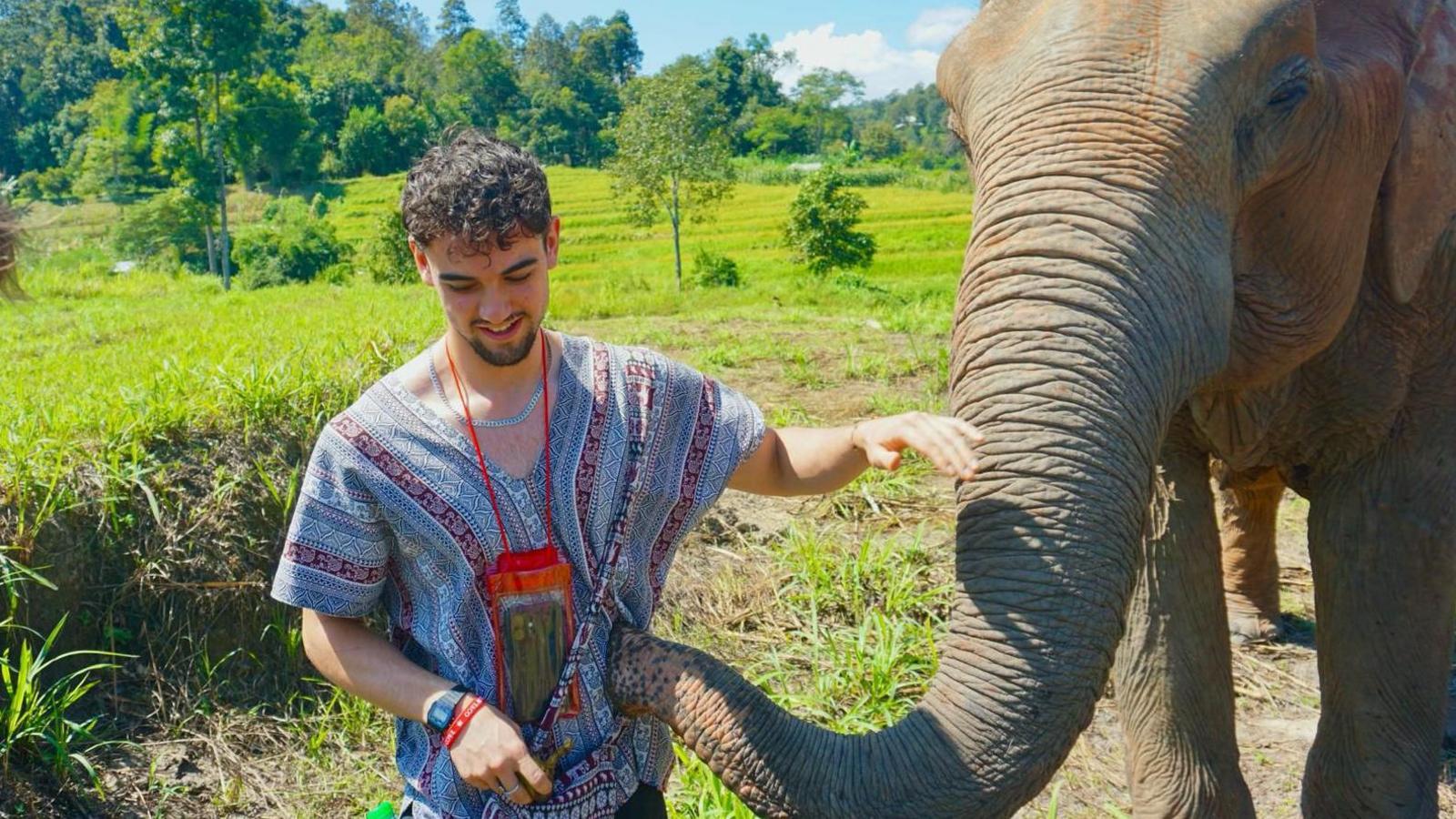
Ninoda.com – Travelers across the UK are being urged to stay vigilant as a new government-led campaign highlights the growing risks of methanol poisoning, particularly in popular Southeast Asian destinations. The initiative, launched by the Foreign Office, aims to educate visitors on how to recognize the dangers of consuming contaminated alcohol and take preventive measures to avoid life-threatening consequences. The campaign has gained traction after a series of alarming incidents, including the case of Calum MacDonald, a 20-year-old from Surrey, who suffered severe vision loss after drinking methanol-laced beverages in Laos. His harrowing experience serves as a critical reminder of the hidden dangers that can lurk in seemingly harmless drinks.
The Silent Killer in Alcohol
Methanol, a colourless and volatile industrial alcohol, is often used in counterfeit liquor to cut costs. While ethanol is the primary alcohol in beverages we consume, methanol can be toxic in even small quantities. Just 30ml of pure methanol can be fatal for an adult, while smaller doses may lead to permanent damage, such as blindness or neurological issues. In 2024, MacDonald recounted how a single shot of contaminated alcohol left him with a “blinding kaleidoscopic light” and severe vision impairment, underscoring the speed at which the toxin can wreak havoc on the body. His story is now a central element of the campaign’s efforts to raise awareness.
“I probably would be in a different situation today if I had known the risks earlier,” MacDonald shared during a BBC Breakfast interview, reflecting on his ordeal in Vang Vieng, Laos. His experience, which occurred in 2024, has since become a focal point for the awareness campaign, helping to drive home the urgency of the issue to a wider audience.
The campaign has identified 29 countries as high-risk, with Indonesia, Laos, and Vietnam among the most frequently cited. These regions have seen a surge in methanol-related illnesses and deaths, often linked to cheap, illegally produced drinks. One particularly tragic case involved Margaret McKie’s daughter, Kirsty, who died in 2022 after drinking from a trusted supplier in Bali. Her fiancé, a local restaurant owner, initially dismissed her symptoms as a hangover, only to realize too late that she had ingested methanol. “When Kirsty became ill, she didn’t think it was anything more serious than a hangover,” McKie explained during the same BBC Breakfast segment, adding that her condition deteriorated rapidly once she reached the hospital.
How Methanol Poisoning Progresses
Methanol poisoning typically unfolds in stages, starting with mild symptoms like nausea, vomiting, and dizziness. These early signs often appear 12–48 hours after consumption, making it difficult for victims to recognize the severity of their condition. As the poisoning progresses, more severe effects such as abdominal pain, vertigo, and blurred vision may manifest. In advanced stages, victims can fall into a coma or suffer permanent organ damage. Some report experiencing “snowfield vision,” a sensation akin to static on an old television, which can indicate the toxin is already affecting their nervous system. The campaign emphasizes the importance of swift action, such as seeking medical help immediately if symptoms persist.
“The progression of methanol poisoning is insidious,” said Foreign Office minister Hamish Falconer, explaining the campaign’s focus. “We’ve seen cases where people attribute their symptoms to fatigue or hangovers, only to realize they’ve been poisoned by methanol. Early detection is key to saving lives.”
Recent statistics show that methanol poisoning has become a significant concern for international tourists. According to the World Health Organization, the number of methanol-related fatalities in Southeast Asia has risen sharply over the past decade, with many incidents attributed to poor quality or unregulated alcohol production. The UK government is working closely with local authorities and international partners to address this issue, ensuring travelers are informed about the risks before they embark on their journeys. Campaign materials include detailed guides on identifying suspicious drinks, recognizing symptoms, and what to do in an emergency.
In addition to raising awareness, the campaign leverages social media platforms like TikTok and YouTube to reach younger audiences. Influencers are being trained to share personal stories and practical tips, making the information more relatable and accessible. The initiative also incorporates methanol poisoning education into school curricula, preparing future travelers with essential knowledge. Falconer emphasized that these efforts are part of a broader strategy to protect the health and safety of UK tourists, both domestically and abroad.
As the campaign gains momentum, it is hoped that increased awareness will lead to fewer cases of methanol poisoning. Travelers are encouraged to exercise caution, particularly in regions where counterfeit alcohol is common. Experts warn that methanol can be found in various forms, from cheap spirits to unlabelled mixers, and that even a single drink can be dangerous. By highlighting these risks and providing actionable advice, the UK government aims to equip tourists with the tools they need to enjoy their trips safely.