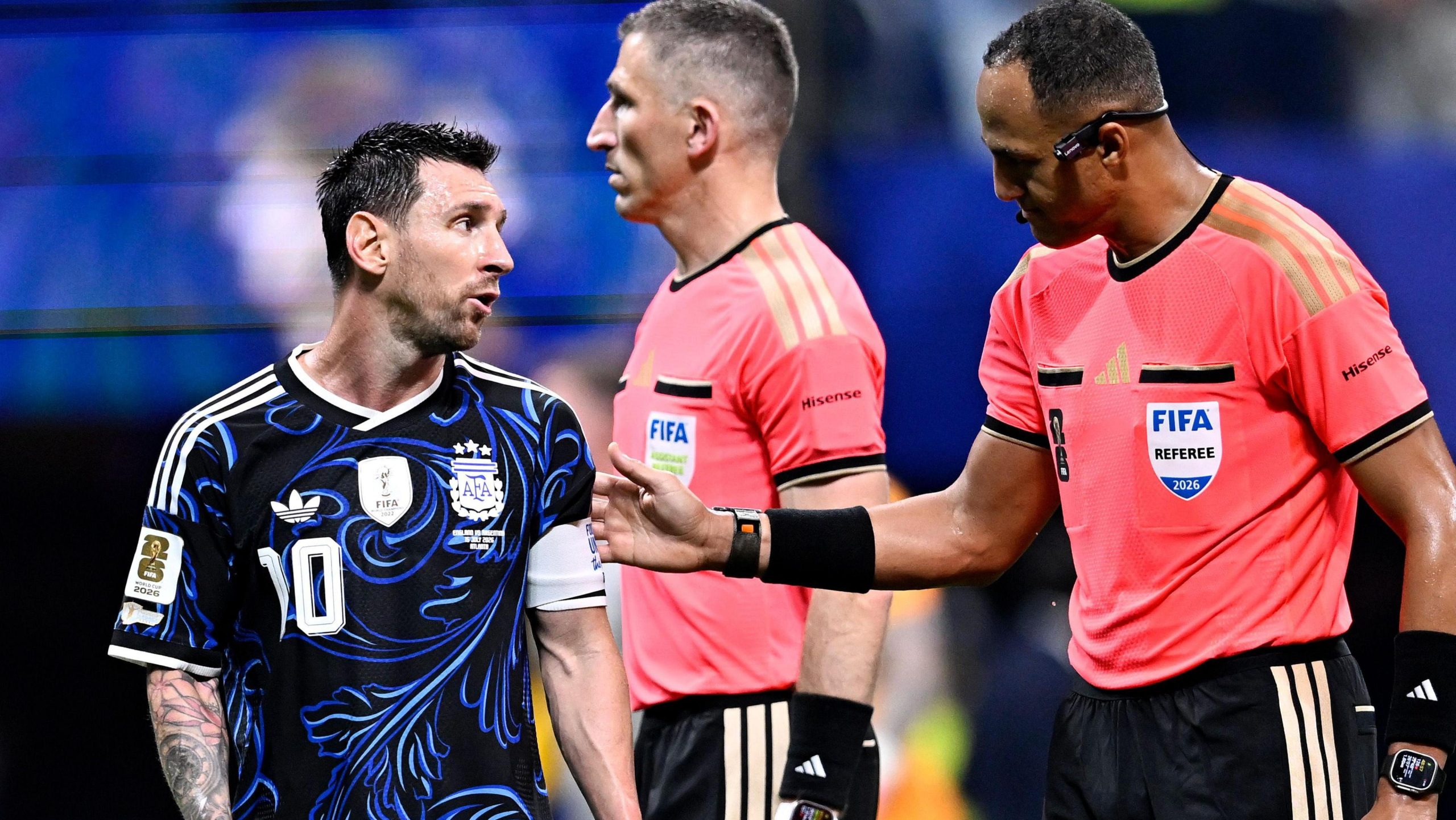
Why England’s loss to Argentina felt like most painful in 60 years of hurt


Why England’s Loss to Argentina Felt Like the Most Painful in 60 Years of Hurt
A Defining Moment in England’s Football History
Ninoda.com – The Why England’s loss to Argentina at the recent World Cup semifinal sent shockwaves through the nation, evoking memories of a 60-year-long struggle to reclaim glory on the international stage. England had come into the match with high hopes, aiming to break the deadlock since their 1966 triumph. A 55th-minute goal from Anthony Gordon appeared to set the stage for a historic run, but Why England’s loss to Argentina was ultimately sealed by a combination of tactical missteps and defensive lapses. The agony of defeat, compounded by the presence of Lionel Messi and Argentina’s relentless attacking prowess, left fans reeling. For many, the Why England’s loss to Argentina felt like a harbinger of an era of disillusionment, raising questions about the future of the team’s strategy and leadership.
Tuchel’s Tactical Dilemma and the Cost of Inconsistency
Thomas Tuchel’s tenure with England has been marked by high expectations, but the Why England’s loss to Argentina revealed a recurring issue: the inability to adapt to high-pressure situations. The German coach, known for his success with clubs like Borussia Dortmund and Bayern Munich, was tasked with steering England to their first World Cup final since 1966. However, his approach in the Atlanta Stadium clash exposed a flaw in his preparation for this specific stage of the tournament. When England took the lead, Tuchel’s decision to shift to a back five—a tactic that had worked in previous knockout games—backfired spectacularly. This move, while intended to shore up defense, left the team exposed to Argentina’s counterattacks, which proved fatal in the 85th minute.
“A second star on the shirt” was Tuchel’s rallying cry, a phrase that now feels like a metaphor for England’s missed opportunities. The Why England’s loss to Argentina has left fans questioning whether his methods are truly different from those of his predecessor, Gareth Southgate, or if the same patterns are being repeated. Despite the promise of a new era, the Why England’s loss to Argentina has reignited debates about the team’s structure, player selection, and the pressure of expectations.
The Right-Back Conundrum and Player Contributions
England’s right-back position became a focal point of criticism, with Reece James’ injury during the match exacerbating the team’s challenges. Tuchel, known for his emphasis on stability, had opted for James despite his recent inconsistency, a choice that left fans uneasy. When James succumbed to a hamstring issue, the coaching staff scrambled to find a replacement, with Jarell Quansah and Djed Spence thrown into the fray. This left Trent Alexander-Arnold, England’s most reliable attacker on the right flank, sidelined, further complicating the team’s ability to mount effective attacks. The Why England’s loss to Argentina highlighted the risks of over-reliance on a single player, especially in critical moments.
Meanwhile, the midfield choices under Tuchel were also scrutinized. Cole Palmer and Phil Foden, whose performances with Chelsea and Manchester City had been mixed, were replaced by more defensive options. This shift, while aimed at securing the lead, left England’s attacking options thin, making it easier for Argentina to exploit gaps. The Why England’s loss to Argentina has sparked discussions about whether Tuchel’s tactics are a reflection of his coaching philosophy or a response to the team’s limitations. As the match progressed, it became clear that his decisions, while calculated, lacked the urgency needed to overcome a squad brimming with talent.
A Legacy in Peril: Tuchel’s Challenge
With the 2026 World Cup on the horizon, Tuchel faces a pivotal test of his coaching credentials. The Why England’s loss to Argentina has put his legacy under scrutiny, as fans and analysts alike compare his methods to those of Southgate. The German coach had previously guided teams to victory, including a 2022 Champions League triumph, but the Why England’s loss to Argentina has exposed a gap between his club successes and the high-stakes environment of international football. This defeat may serve as a turning point, either validating his tactical acumen or signaling the need for a fresh approach.
As the final whistle blew, the Why England’s loss to Argentina left a lingering sense of despair. The team had all the tools to succeed but faltered at the crucial moment. For a nation that has endured decades of World Cup heartbreak, this loss feels particularly acute. The presence of Messi, a player who has long been England’s nemesis, only deepened the sense of inevitability. The Why England’s loss to Argentina has now become a symbol of the broader challenges facing English football, from player development to tactical innovation. With the next major tournament looming, the coaching staff must find a way to avoid repeating the same mistakes that led to this painful outcome.