‘Passive’ and ‘crumbled’ – did Tuchel’s defensive tactics cost England?

Did Tuchel’s Defensive Strategy Cost England the World Cup?
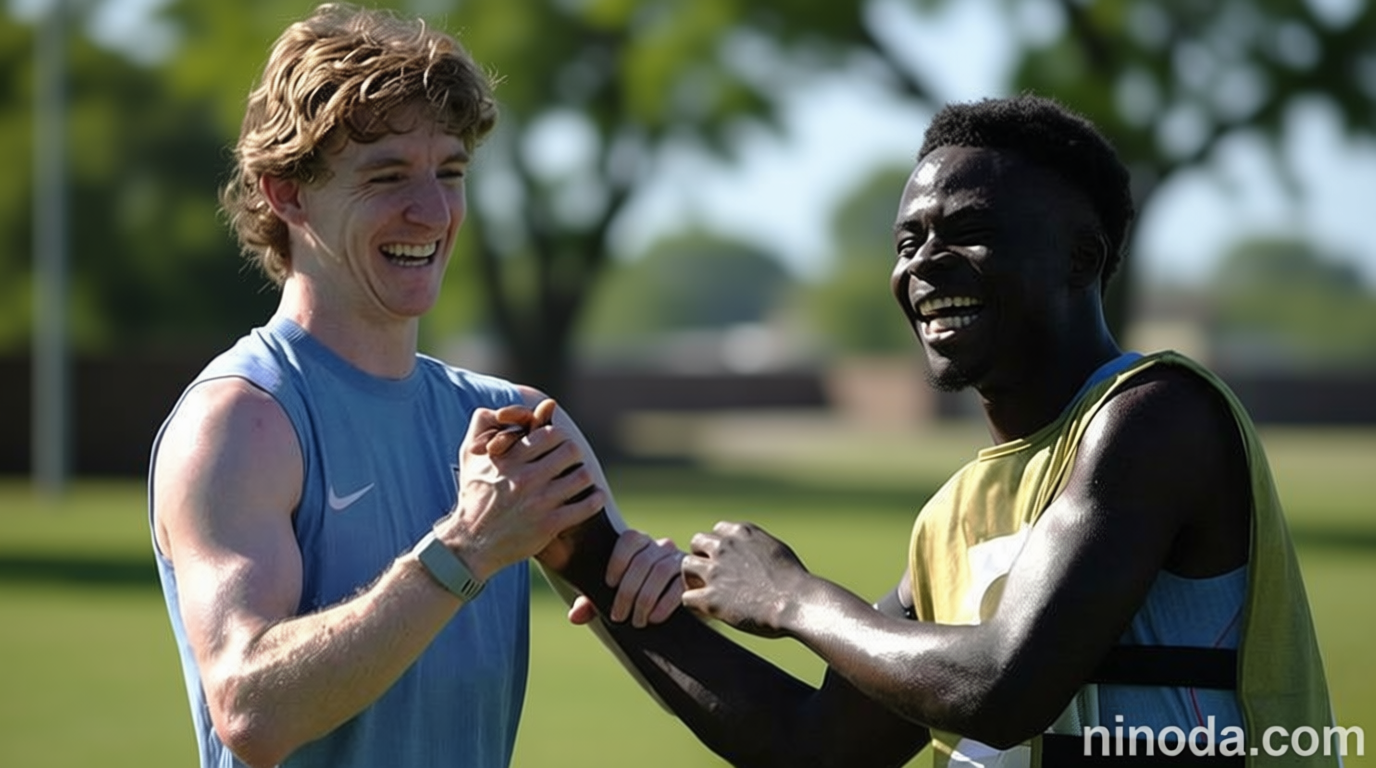
Ninoda.com – England’s hopes of securing their first men’s World Cup final since 1966 were dashed in a dramatic semi-final clash against Argentina. The match, held in Atlanta Stadium, saw the Three Lions take an early lead through Anthony Gordon in the 55th minute, only for the reigning champions to turn the tide in the final stages. Enzo Fernandez’s equalizer in the 85th minute and Lautaro Martinez’s 92nd-minute winner, both assisted by Lionel Messi, left England reeling. The decision to shift to a more defensive approach after taking the lead has been widely criticized as a pivotal misstep.
Analysis of Tuchel’s Tactics
With a 1-0 advantage, England manager Thomas Tuchel opted to consolidate rather than attack. This move saw the team reduce their possession percentage significantly, dropping from a commanding position to just 12% as they conceded the second goal. Substitutions reflected this strategy: defenders Ezri Konsa, Dan Burn, and Nico O’Reilly were introduced in the closing minutes, while forwards Marcus Rashford and Ivan Toney were brought on late. Critics argue that this defensive shift allowed Argentina to regain control and exploit gaps in England’s structure.
“We have crumbled,” said former England captain Wayne Rooney. “It started from the manager and the decisions he made. It was too passive.”
“The difference is hanging on against Norway or Mexico,” noted Alan Shearer. “They have not got the quality this Argentina team have got in terms of the ability on the ball and the ability they have to punish you.”
“That was a coaching catastrophe,” commented Chris Sutton, a Premier League winner with Blackburn. “You can’t expect to defend for 30 minutes against the quality Argentina had. It’s all on the coach.”
England’s Past Struggles
England’s defeat by Argentina marked a familiar pattern of tactical blunders. From Maradona’s infamous ‘Hand of God’ in 1986 to the 1998 World Cup loss, the Three Lions have often faltered when facing the South American giants. This time, however, the blame fell squarely on Tuchel’s approach. “Norway and Mexico panicked against England,” recalled former goalkeeper Joe Hart. “I didn’t see one bit of panic from that Argentina side. I saw belief.”
Despite their resilience in earlier stages of the tournament—turning defeats into victories against DR Congo and Norway—England’s strategy against the world champions proved unsustainable. The decision to prioritize defense over attack left them vulnerable, allowing Argentina to dominate the second half and capitalize on their opportunities.
How Argentina Took Control
Emiliano Martinez, Argentina’s goalkeeper, acknowledged the shift in momentum after England’s initial goal. “Sometimes when you are winning, you have to go forward,” he said, highlighting the pressure on England to maintain their lead. Yet, their retreat into defensive mode enabled Argentina to regain composure and execute their game plan. Analysts pointed out that sitting back created space for Messi to thrive, as the team’s focus on protection allowed Argentina to move the ball effortlessly and break down England’s defense.