Sadiq Khan among 26 new peers to enter the Lords

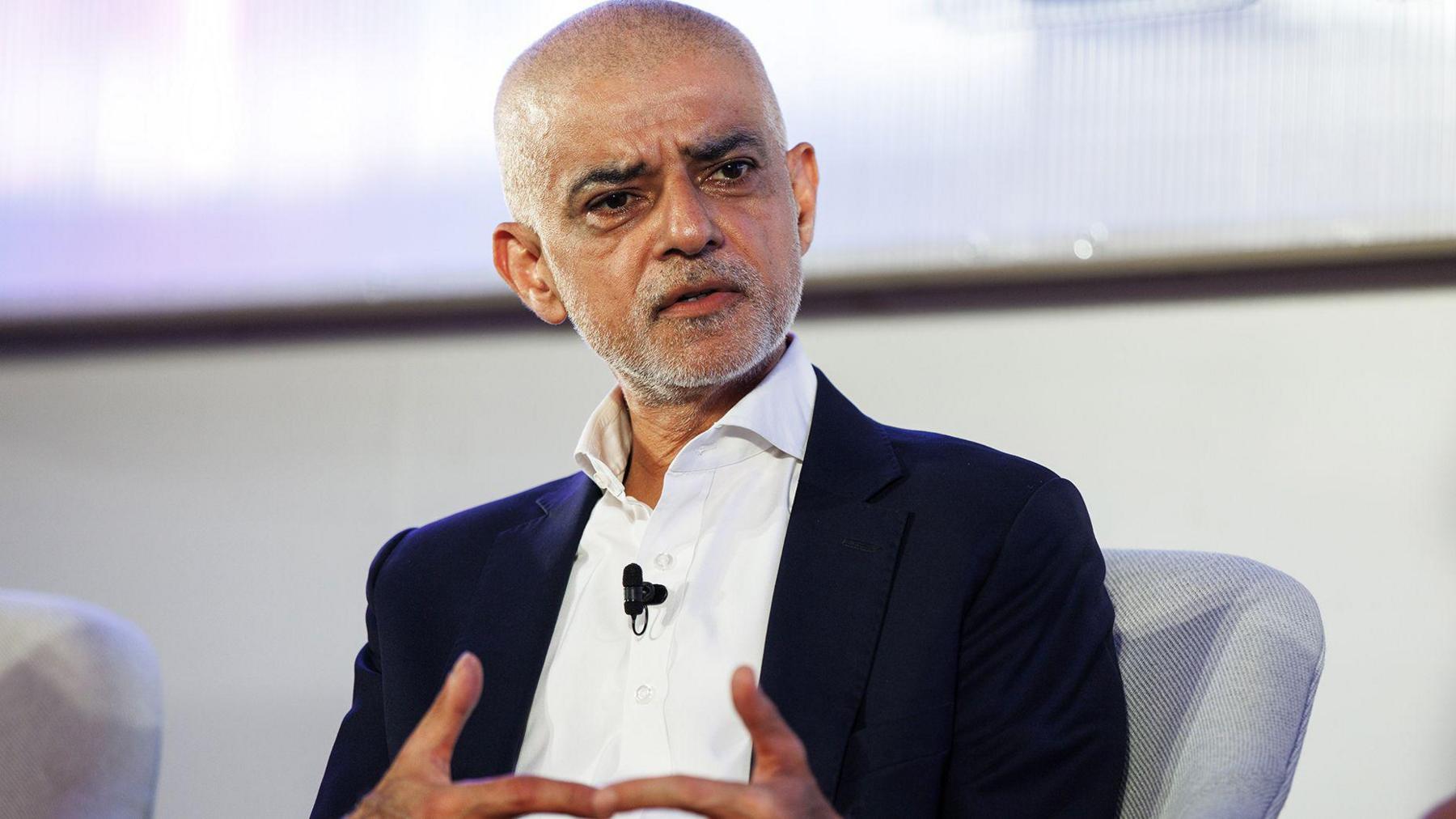
Sadiq Khan among 26 new peers to enter the Lords
Ninoda.com – Sadiq Khan, the London Mayor, has been appointed to the House of Lords as one of 26 new peers, marking a notable shift in the upper chamber’s composition. The announcement comes amid the transition of power within the Labour Party, with Sir Keir Starmer stepping down as prime minister. The list includes a mix of Labour-aligned figures, Liberal Democrats, Conservatives, and cross-bench members, reflecting a strategic effort to reshape the Lords. Among the 25 other appointees are prominent names such as broadcaster June Sarpong, former union leader Christina McAnea, and retired senior judge Sir Brian Leveson. This peerage shuffle underscores the ongoing political maneuvering in the UK’s legislative landscape, with Sadiq Khan’s inclusion highlighting his growing influence beyond local governance.
Political Peerages and Strategic Nominations
Downing Street announced the peerage list, emphasizing that the King had “graciously pleased to signify his intention of conferring peerages.” The appointments were finalized prior to Sir Keir Starmer’s resignation as Labour leader last month, signaling a deliberate attempt to align the Lords with current political priorities. Unlike traditional resignation honours, which often focus on senior officials, this round of peerages prioritizes individuals with diverse expertise and policy interests. Sadiq Khan among 26 new peers represents a move to integrate leaders from various sectors into the upper house, ensuring a broader range of perspectives. The list includes Labour members like Sir Chris Wormald, former cabinet secretary, and Sir Chris Huhne, former Liberal Democrat leader, along with five Liberal Democrat peers, three Conservatives, and two cross-bench appointments.
Sadiq Khan’s appointment has sparked interest due to his prominent role as London’s mayor and his potential impact on national policy. While he has not yet confirmed his intention to run for a fourth term in 2028, his inclusion in the peerage list suggests a continued commitment to public service. The mayor’s leadership has been instrumental in initiatives such as the Elizabeth Line project, environmental reforms, and efforts to reduce crime in the capital. A government spokesperson praised his “visionary approach” and “proven track record,” noting that his contributions to urban development and social policy make him a valuable addition to the Lords. This strategic nomination places Sadiq Khan among 26 new peers, further cementing his presence in the UK’s political discourse.
Reactions and Criticisms
“The inclusion of Sadiq Khan among 26 new peers demonstrates a clear effort to bring fresh voices to the House of Lords,” remarked Liberal Democrat leader Sir Ed Davey. He emphasized the importance of the peerage list, stating that each appointee has “the right skills, experience, and values to help us hold the Government to account.” The list features individuals like agricultural economist Julia Aglionby and former Barnsley councillor Hannah Kitching, whose expertise spans environmental policy, local governance, and renewable energy. Meanwhile, Reform UK leader Nigel Farage criticized the list as “the uniparty writ large,” arguing that it lacks diversity and fails to represent the broader political spectrum. He called the absence of Reform UK members “scandalous,” highlighting concerns about proportional representation.
The appointment of Sadiq Khan among 26 new peers has also drawn attention to the Conservative additions, including General Sir Patrick Sanders and David Ross. These peers are being framed as a means to bolster the Lords with expertise in defence and healthcare. However, the inclusion of Sadiq Khan among 26 new peers has been seen as a Labour effort to maintain influence in the upper chamber, particularly given the party’s historical push for reform. Critics argue that the peerage list consolidates power within the Labour and Liberal Democrat factions, while supporters praise the integration of local leaders into national decision-making. The mayor’s spokesperson reiterated that Sir Sadiq would “continue to advocate for London’s interests” and “contribute to shaping a fairer and greener future for the nation.”
The Lords’ Structure and Future Reforms
Labour’s previous proposal to abolish the House of Lords in 2022 remains a key reference point in discussions about the upper chamber’s future. Although the current peerage list does not fully dismantle the existing structure, it reflects a gradual shift toward a more representative and accountable system. Sadiq Khan among 26 new peers symbolizes this transition, as his local governance experience aligns with Labour’s vision of embedding progressive policies at the national level. The party has committed to exploring alternatives, including replacing hereditary peer seats, which are currently held by 92 individuals. Andy Burnham, the incoming prime minister, has stressed the need for a “complete overhaul” of the unelected body, stating that the current peerage list may serve as a stepping stone toward that goal.
As Sadiq Khan among 26 new peers enters the House of Lords, the focus on diverse backgrounds and expertise underscores the political calculus behind these appointments. The peerage list includes professionals from fields such as law, economics, and public administration, aiming to strengthen the Lords’ capacity to scrutinize government actions. However, the process has been criticized for its opacity, with some arguing that the selection of peers is heavily influenced by party interests. The inclusion of Sadiq Khan among 26 new peers has been viewed as a strategic move to ensure his continued involvement in shaping policy, particularly in areas such as urban planning and environmental sustainability. This trend highlights the evolving role of the House of Lords and the increasing importance of figures like Sadiq Khan among 26 new peers in national politics.