Trump’s new take on 250 years of American expansionism

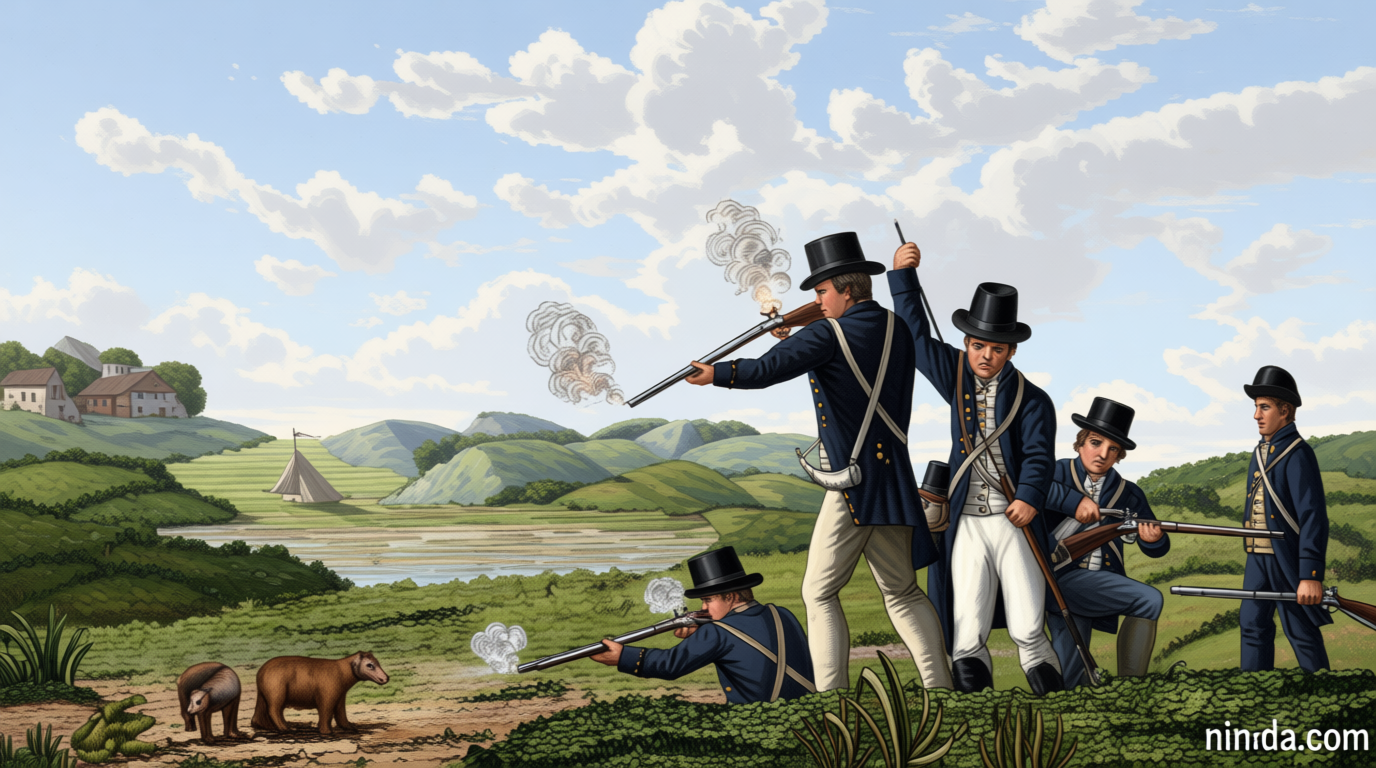
Trump’s Vision of American Expansionism Through 250 Years
Ninoda.com – Two centuries and a half after the United States broke free from British rule, the nation has transformed from a cluster of coastal settlements into a vast global superpower. At independence, the original 13 colonies occupied around 430,000 square miles (1.1 million square kilometers), but by the present day, the country’s landmass has grown to approximately 3.7 million square miles — a staggering eightfold increase. This territorial growth mirrors the dramatic rise in population, which surged from roughly four million people in 1790 to over 343 million by 2025.
The ideological underpinnings of this expansion remain deeply rooted in the nation’s origins. While the political framework and cultural landscape of today may seem distant from those of the 18th century, many core principles persist. President Donald Trump’s policies — such as border control measures and territorial ambitions — echo historical patterns that shaped the country’s early development. These themes, once debated among the founders, now resurface in modern discourse.
The Evolution of American Identity
Historians trace the nation’s identity to its earliest divisions. Colin Woodard, director of the Nationhood Lab at Salve Regina University, categorizes the U.S. into distinct regions shaped by historical tensions. “Yankeeland,” he explains, emerged from Puritan settlers fleeing European persecution, later influenced by German and Scandinavian migrants. This area developed a pluralistic ethos, contrasting with the political mindset of the “Greater Appalachia” region, where Scots and Irish settlers fostered a distrust of centralized authority.
“For them, freedom means maximising the autonomy and freedom of the individual and any growth in the power of government axiomatically means you know that individuals are less free,” said Woodard.
The Deep South, meanwhile, became a stronghold for an oligarchic society, with landowning elites drawing from Caribbean plantation backgrounds. By 1828, the U.S. had extended its borders to the Pacific coast, yet this expansion often came at the expense of indigenous cultures. The first century of the nation’s history saw efforts to assimilate or displace Native populations, as the country pressed westward.
Expansion and Ideology
The movement westward was not just geographic; it carried an ideological weight. Many Americans believed in the concept of “manifest destiny,” a notion that the nation’s growth was both inevitable and divinely ordained. This idea fueled the acquisition of territories like Oregon, even as it created new conflicts between settlers and indigenous communities.
“Anybody who was looking at the colonies trying to create this nation is saying, all we need to do is stay over here and wait till they tear themselves apart and go back and pick them up,” said Heather Cox Richardson, a Boston College history professor and Substack writer.
As the U.S. continues to evolve, questions about its foundational values persist. What does it mean to be an American in 2026? The nation’s trajectory has always been shaped by its defining contradictions — the tension between individual liberty and collective governance, and the balance between expansion and preservation of cultural heritage. Trump’s approach to these issues reflects a continuation of this enduring debate.