Police leadership needs ‘ethical reset’, Lord Blunkett tells BBC

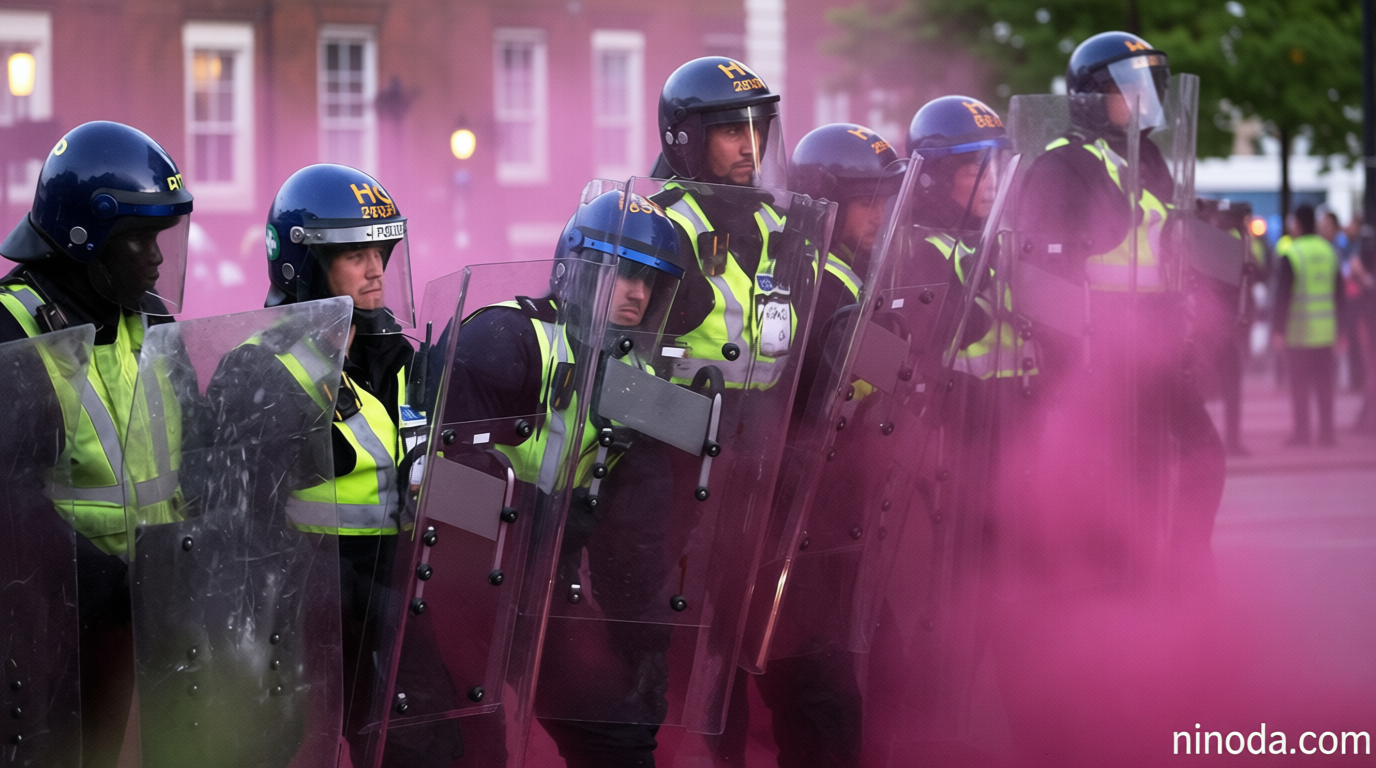
Police Leadership Needs ‘Ethical Reset’, Lord Blunkett Tells BBC
Ninoda.com – Lord Blunkett has urged a fundamental reevaluation of police leadership in England and Wales, emphasizing that the current system lacks the ethical clarity needed to address systemic challenges. In a recent BBC interview, the former Labour home secretary argued that a lack of moral direction has created a culture of complacency within the force, which he co-authored a report with former Conservative policing minister Lord Herbert. The findings of this comprehensive review highlight the urgent need for a “root and branch modernisation” of leadership structures, as the police service grapples with declining public confidence and an increasingly complex threat landscape. The core argument is that without an ethical reset, the force risks further eroding the trust it has long relied upon.
Systemic Weaknesses in Leadership
The report, commissioned by the College of Policing, outlines critical deficiencies in how police leadership is currently shaped and maintained. According to the analysis, over 43 police forces across England and Wales require significant reforms, with the majority failing to meet the standards of effective governance. The focus keyword—police leadership needs ethical reset—has been a recurring theme in discussions with senior officers and policymakers, as they acknowledge that traditional approaches have not kept pace with modern policing demands. Key areas identified for improvement include leadership accountability, transparency in decision-making, and the integration of ethical frameworks into daily operations.
“The service isn’t good enough,” Lord Blunkett asserted. “Morale and motivation among officers need a reset, and that begins with rethinking how leadership is defined and evaluated.” The report underscores that many senior officers are not only under scrutiny but are also facing disciplinary actions, with eight serving or former chief constables currently in the spotlight. This trend reflects a growing concern that leadership failures have contributed to a perception of bias and inefficiency, prompting calls for a more rigorous and ethically grounded approach to managing the force.
Implications for Public Trust and Cultural Shifts
Public trust in the police has become a central issue in the report, with declining ratings directly linked to leadership shortcomings. The findings reveal that while the police force has made strides in tackling crime, its ability to connect with communities and demonstrate accountability has lagged. Lord Blunkett’s call for an ethical reset is not just about improving performance but also about fostering a cultural shift that aligns with the values expected of public service. This includes addressing internal biases, ensuring fair treatment of all groups, and embedding ethical principles into the training and promotion of leaders.
The report also highlights the importance of aligning police leadership with the evolving needs of society. With the rise of digital crime, social media scrutiny, and demands for greater inclusivity, the police must adapt their strategies and leadership models to remain relevant. The ethical reset would involve revising leadership criteria to prioritize integrity, empathy, and responsiveness to public concerns. This, in turn, could help bridge the gap between the force and the communities it serves, reinforcing its role as a trusted institution.
Two-Tier Policing and Ethical Leadership
The debate over two-tier policing—where ethnic minorities are allegedly treated differently than white individuals—has intensified in recent months. Lord Blunkett acknowledged the validity of these concerns but stressed that the ethical reset should focus on ensuring neutrality in leadership rather than cultural polarization. “The police must remain impartial, and that requires leaders who embody ethical standards in their actions and decisions,” he said. The report’s recommendations aim to address these disparities by promoting a leadership model that prioritizes fairness and equality, ensuring that every officer is held to the same moral expectations.
Henry Nowak’s case, which sparked much of the two-tier policing discourse, serves as a stark example of how leadership failures can amplify public skepticism. Nowak, a teenager, was involved in a fatal incident that was later associated with a false accusation of racism, raising questions about the role of leadership in both perpetuating and mitigating such perceptions. The report argues that a leadership transformation is essential to prevent similar controversies and to create a more cohesive and ethical policing environment. This transformation would require not only policy changes but also a commitment from leaders to model the behavior they expect from their teams.
Steps Toward a New Leadership Paradigm
Lord Blunkett outlined specific steps that could lead to the ethical reset he advocates, including the implementation of clearer leadership benchmarks and the introduction of independent oversight mechanisms. These measures would ensure that leaders are evaluated on their ethical conduct as much as their operational effectiveness. Additionally, the report recommends increasing the diversity of leadership roles to better reflect the communities the police serve, which in turn could enhance public trust and reduce systemic biases.
As the police service faces mounting pressure to reform, the ethical reset has become a cornerstone of the debate. With no force achieving an “outstanding” rating for leadership in recent inspections, the need for change is both immediate and widespread. Lord Blunkett’s vision for this transformation emphasizes that ethical leadership is not a luxury but a necessity for the force to regain public confidence and adapt to the challenges of the 21st century. The report’s call for an ethical reset has already prompted discussions among senior officials, with some expressing support for the proposed reforms and others urging a more gradual approach.