Afghan Taliban launch strikes on border with Pakistan as tensions escalate

Afghan Taliban Launch Border Strikes with Pakistan as Tensions Escalate
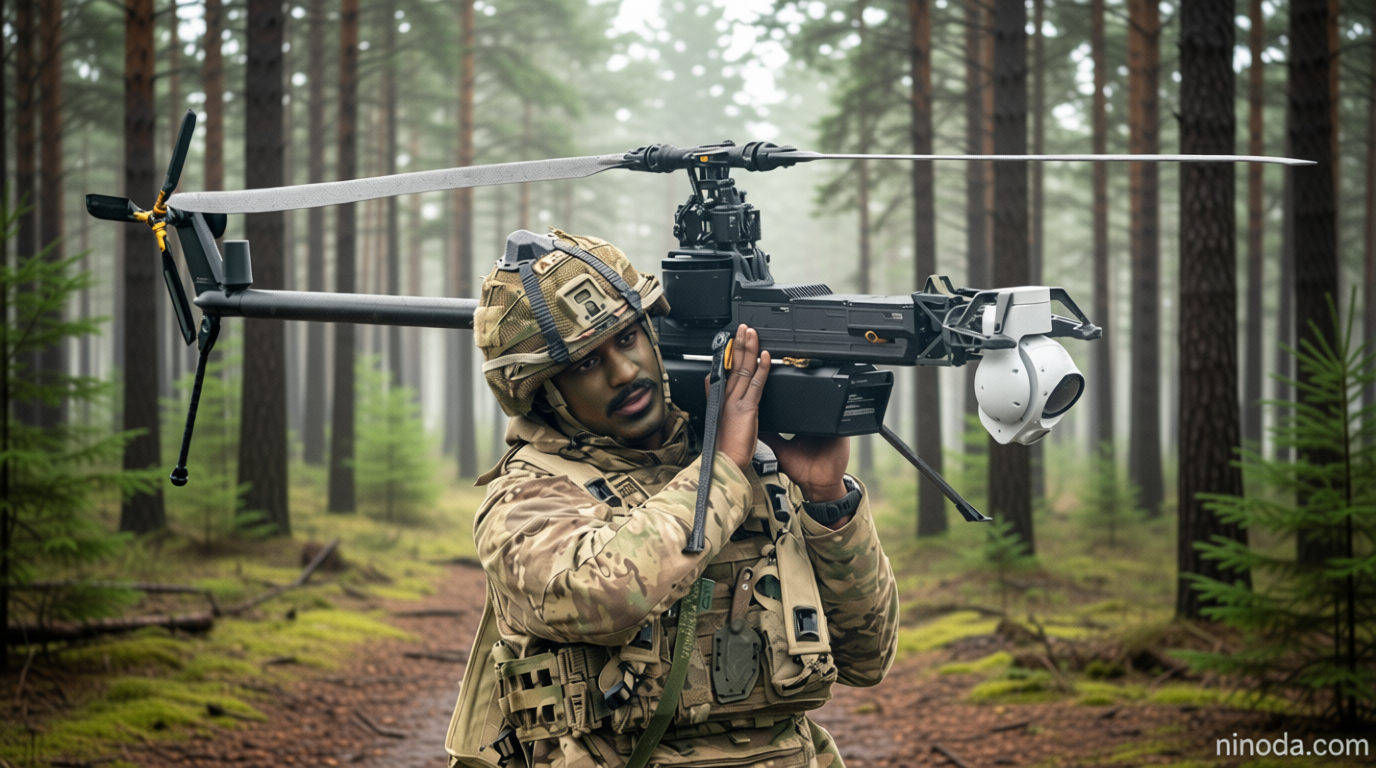
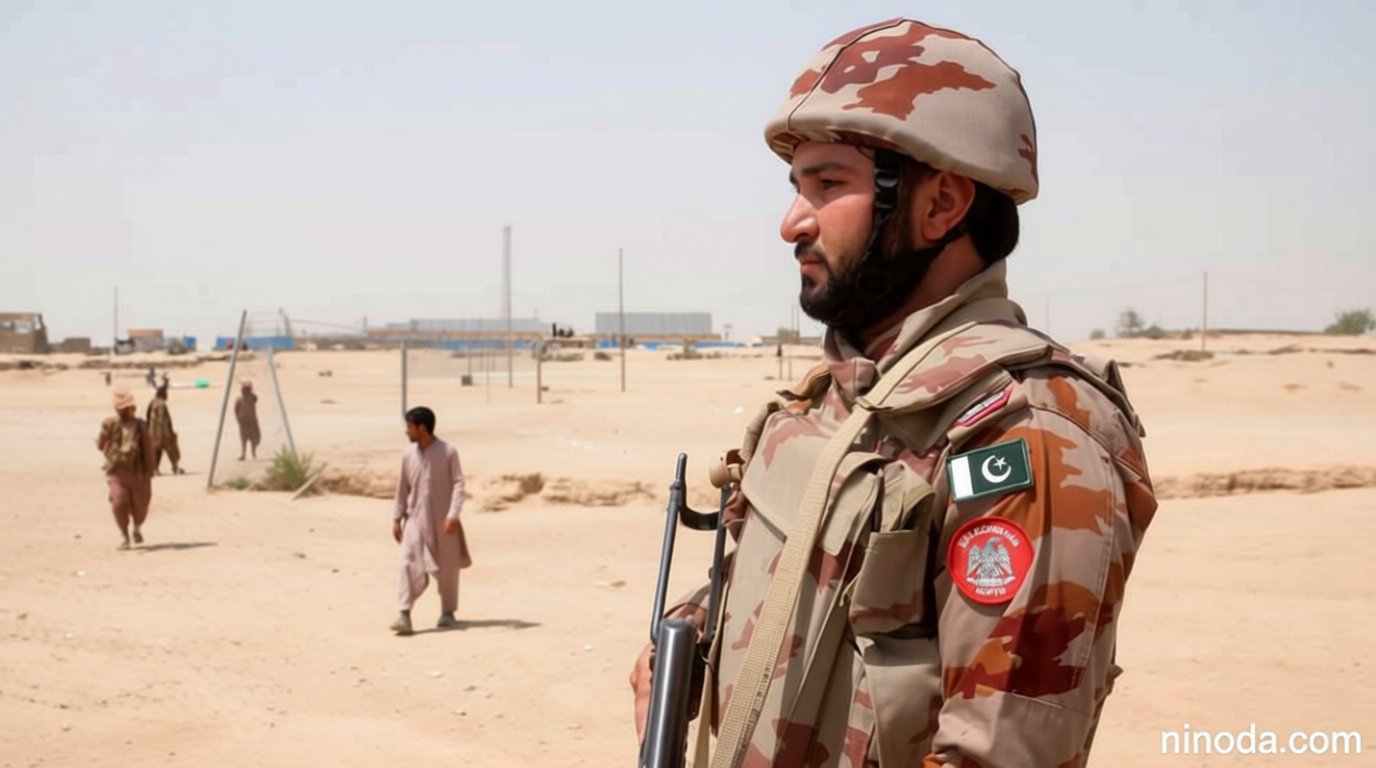
Ninoda.com – The Afghan Taliban launched strikes on the border with Pakistan, intensifying hostilities between the two nations. These attacks, which targeted positions along the shared frontier, have led to significant casualties and further strained an already fragile relationship. Pakistan’s military responded swiftly, claiming to have downed four drones and warned that any additional aggression would be met with a “proportional retaliation.” The incident underscores the growing volatility in the region, as the Afghan Taliban continue to assert their dominance through cross-border operations.
Escalating Conflict Along the Afghanistan-Pakistan Border
“The strikes will be answered with a fitting response,” stated Pakistan’s military officials, as they emphasized their readiness to escalate action if provoked.
These border strikes follow a series of aerial assaults by Pakistan on Afghan territory earlier this week, which the UN reported caused the deaths of at least 28 civilians. While the BBC has not verified the details independently, both sides have provided conflicting casualty figures. The Afghan Taliban’s claims of 36 civilian deaths and over 160 injuries have been met with skepticism, as Pakistan insists its strikes were targeted and necessary to neutralize militant threats. The incident highlights the ongoing challenge of distinguishing between combatants and civilians in the region’s volatile conflict.
The current round of clashes comes amid a backdrop of persistent tensions that have simmered despite a ceasefire agreement signed in October. Although the truce aimed to reduce deadly confrontations, mutual accusations continue to fuel hostilities. Pakistan has long accused Afghanistan of harboring Taliban militants responsible for attacks on its soil, while Kabul argues that Islamabad’s strikes are unprovoked and disproportionately target civilians. This cycle of retaliation and blame has left both nations on high alert, with military actions becoming a common tool in their diplomatic standoff.
Historical Context of Border Disputes
Historical clashes along the Afghanistan-Pakistan border reveal a pattern of instability and mistrust. In February, border skirmishes resulted in dozens of deaths, with both sides blaming each other for the violence. March saw a dramatic incident when a Pakistani airstrike on a drug rehabilitation center in Kabul killed hundreds, drawing international condemnation. Earlier this month, Pakistan’s military conducted air strikes that eliminated 26 Taliban fighters, though the group alleged that 13 civilians, including children, were also among the casualties. These events illustrate the long-standing conflict over territory, ideology, and security.
The Afghan Taliban’s border strikes are part of a broader strategy to assert control over strategic regions and challenge Pakistan’s military presence. The shared border, which stretches over 2,000 kilometers, has been a flashpoint for decades, with both nations vying for influence in the Pashtun regions that straddle their territories. Analysts suggest that the Taliban’s attacks are not only a military move but also a political statement, aimed at pressuring Pakistan into renegotiating the terms of the ceasefire or withdrawing its support for Afghan opposition groups. This dynamic has kept the conflict alive, even as peace talks continue elsewhere in the region.
As the Afghan Taliban launch strikes on the border, the international community watches closely for signs of a wider regional conflict. The United Nations and neighboring countries have called for de-escalation, but the latest hostilities show that progress remains elusive. With each side framing the other as the aggressor, the risk of prolonged military engagement looms large. The border strikes serve as a reminder of the complex interplay between local governance, international alliances, and the enduring struggle for control in South Asia. For now, the situation remains tense, with no immediate indication of a ceasefire in the near future.