The ‘ultimate all-round sportsman’ – Sobers could do it all

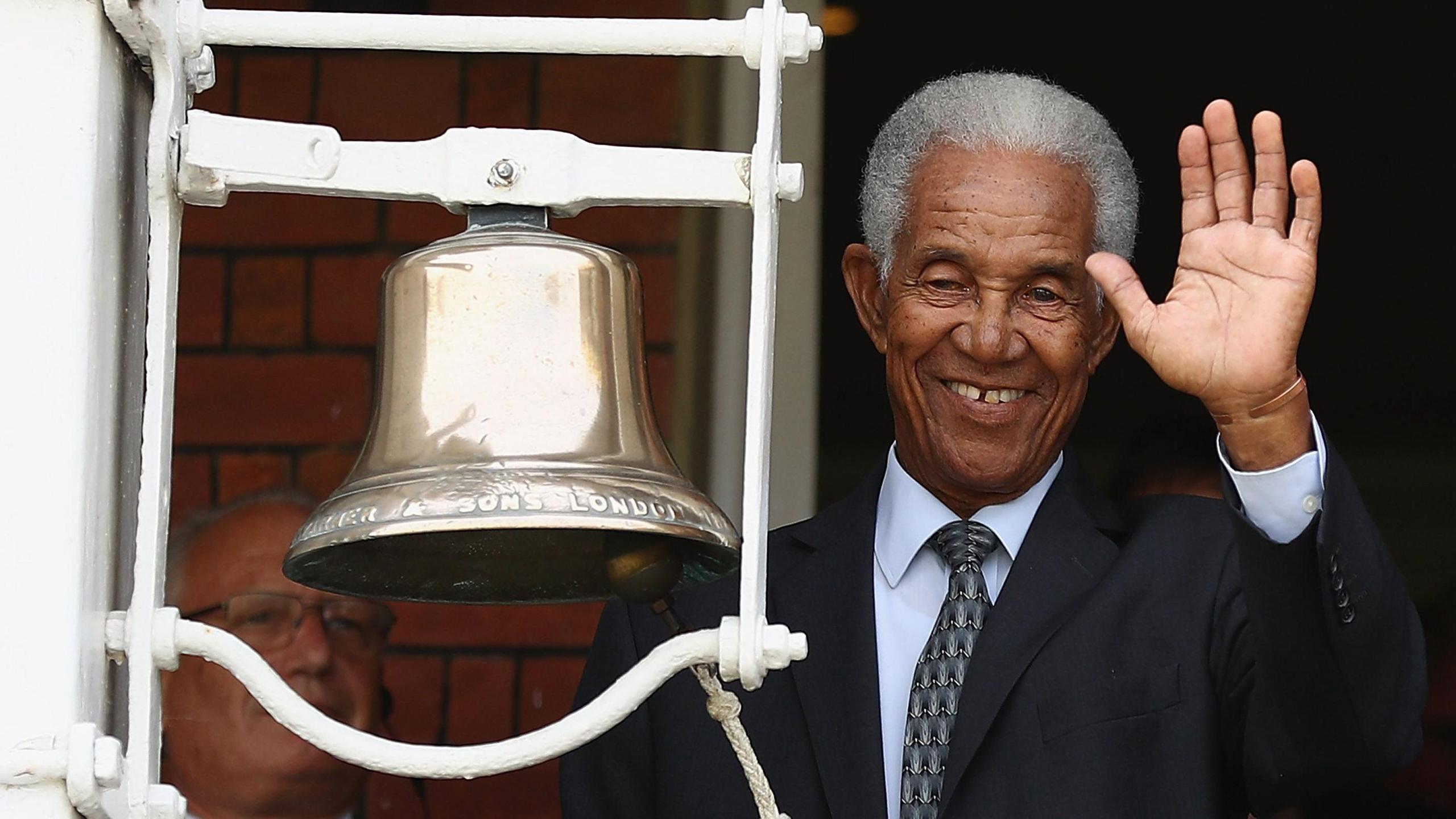
Table of Contents
West Indies Legend Sir Garfield Sobers Passes Away at 89
Ninoda.com – Sir Garfield Sobers, a towering figure in cricket history, has been celebrated as one of the game’s most versatile players. Known for his remarkable all-round abilities, he left an indelible mark on the sport, both as a player and a captain. His career, spanning over two decades, earned him a place among the top five cricketers of the 20th century, a testament to his extraordinary talent.
A Multi-Dimensional Cricketer Before His Time
Decades before the concept of ‘multi-dimensional’ players became a coaching mantra, Sobers embodied the ideal of a complete cricketer. With a left-handed bat, three distinct bowling styles, and exceptional fielding skills, he was often described as five players in one. His ability to take the new ball as a fast-medium left-arm bowler and later switch to orthodox left-arm spin or wrist-spin made him a rare breed in the game.
“He was the ultimate all-round sportsman,” remarked cricket historians, highlighting his ability to seamlessly transition between roles on the field.
A Cricketing Journey Rooted in Early Promise
Born in Bridgetown, Barbados, on 28 July 1936, Sobers’ early life was marked by tragedy and determination. At age five, his father, a merchant seaman, perished in World War Two, leaving his mother Thelma to raise six children. Despite being born with extra fingers on each hand, which were surgically removed during childhood, Sobers’ sporting flair shone through.
His passion for cricket emerged in his teenage years, leading to a debut at 16 in first-class cricket. Playing for his home county at Kensington Oval, the very ground that would later honor him with a pavilion named after him, Sobers showcased his potential with a standout performance. He batted at number nine and bowled spin, taking four wickets in the first innings and three in the second, despite having only one other first-class appearance.
Breaking Records and Defying Expectations
Sobers’ Test debut came 14 months later, when he was 17 and took on England in Jamaica after the Windies’ regular spinner fell ill. He immediately made an impact, claiming four wickets in his first match. His rise continued as he was elevated to the middle order in 1955, proving his worth with a century against Australia. By 1958, he had shattered the record for the highest Test score, reaching 365 not out at Sabina Park against Pakistan.
That innings, part of a record-breaking second-wicket partnership of 446 with Conrad Hunte, became a defining moment in his career. Sobers’ batting form surged afterward, with five more centuries in the following Tests. His seam bowling also improved, solidifying his reputation as the leading all-rounder of the 1960s.
Post-Career Legacy and Tragic Moments
After retiring, Sobers was knighted, a fitting recognition of his contributions to the sport. His legacy extended beyond the West Indies, as he played for Nottinghamshire in England, where he achieved a historic feat by hitting six sixes in an over—a record that still stands. He also spent time in various county leagues, including Radcliffe in the Central Lancashire League, where a personal tragedy struck when a car he was driving collided with a tree, underscoring the challenges he faced off the field.
Despite these hurdles, Sobers remained a symbol of excellence. His career, marked by innovation and dedication, continues to inspire players and fans alike, ensuring his place in cricket’s annals of greatness.