How these twins’ rare growth disorder could provide the key to preventing cancer

How these twins’ rare growth disorder could provide the key to preventing cancer
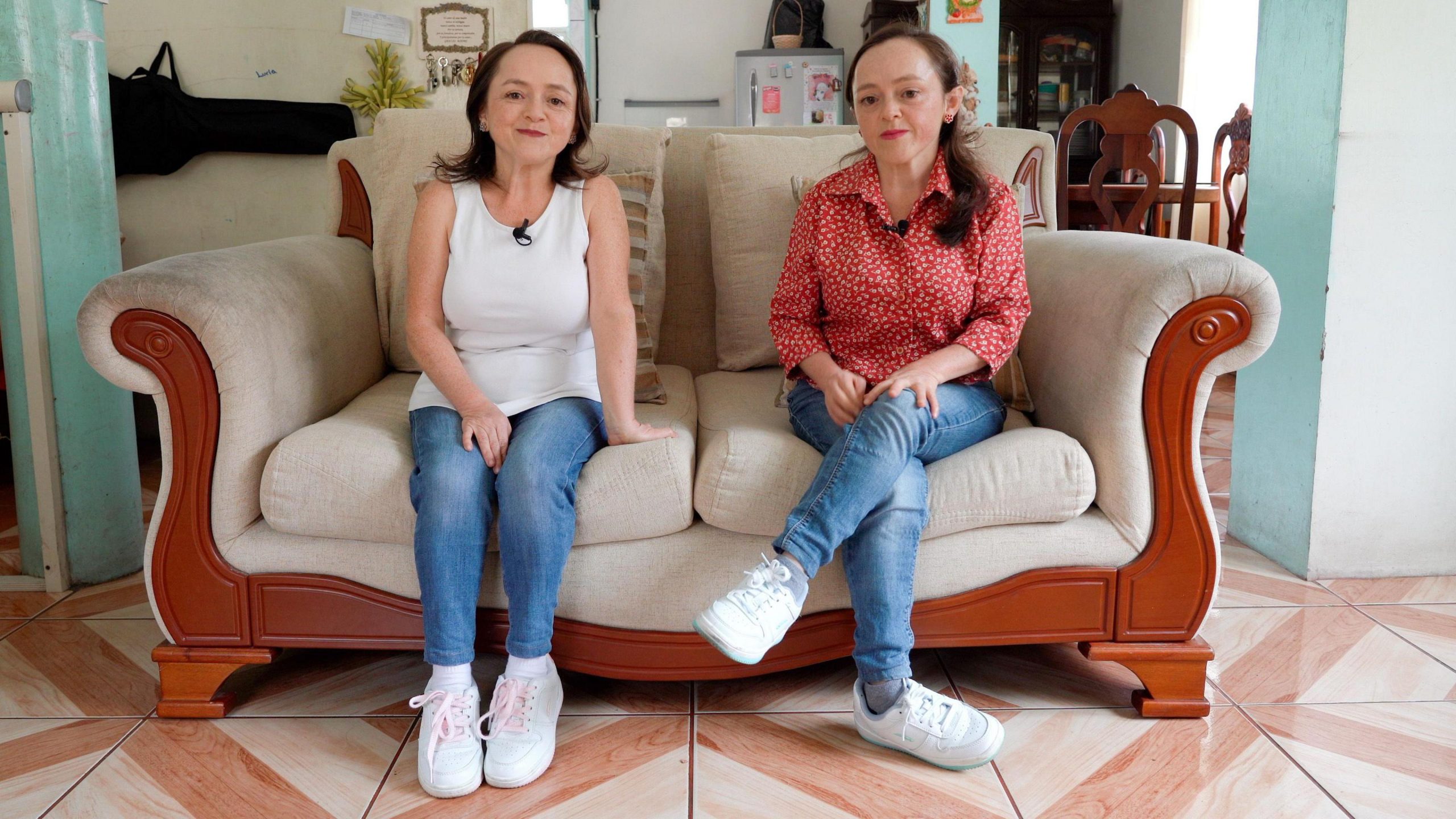
Ninoda.com – Nestled in the Andes mountains of southern Ecuador, the small town of Piñas is home to an unusually high number of individuals with Laron syndrome, a genetic condition that restricts height to under 1.2 meters. Among them are twin sisters María Luísa and María del Cisne Romero, whose shared experiences have become a source of strength in navigating their unique challenges.
A rare condition with unexpected health benefits
María Luísa and María del Cisne describe how their bond has been crucial in overcoming daily struggles. “We’re always strong, we pool our strength and one defends the other,” María Luísa explains as she sits beside her twin. While managing Laron syndrome presents significant difficulties, researchers believe the disorder might offer an unexpected health advantage: people with the condition are less likely to develop diseases like cancer and diabetes.
“The idea is to be able to replicate, through a drug or a diet, what happens in people with Laron syndrome, in other people without the syndrome,” says Dr Jaime Guevara, an endocrinologist who has studied the condition for four decades.
Laron syndrome, also known as growth hormone insensitivity, prevents the body from utilizing growth hormone effectively. The genetic mutation was first identified by paediatrician Zvi Laron in Israel over 60 years ago. Globally, around 840 people are known to have the condition, with the majority residing in the Ecuadorean provinces of El Oro and Loja.
Tracing the mutation’s global journey
Prof Laron theorizes that the mutation originated in Indonesia thousands of years ago, spreading westward via ancient trade routes. He notes that Sephardic Jews carrying the genetic trait later migrated across continents, with some settling in the Americas. Over generations, marrying within the community led to a concentrated presence of the syndrome in isolated regions like Ecuador.
María del Cisne adds that living among others with the condition has eased their sense of isolation. “We can tell each other about the things that happen to us, the good and the bad, because we definitely share many of the challenges we have to face every day,” she says.
Researching the syndrome’s impact
The twins are part of a groundbreaking study led by Dr Guevara, who noticed that Laron patients had lower rates of cancer and diabetes compared to the general population. To explore this, the team examined 100 individuals with the syndrome and 1,600 relatives of average height in the same villages. Over 22 years, they found no cases of diabetes among Ecuadoreans with Laron syndrome and only one non-fatal cancer instance.
By contrast, 5% of the control group developed diabetes, and 17% were diagnosed with cancer. Since environmental and genetic risk factors were similar in both groups, the researchers concluded that the syndrome’s unique biological effects—specifically reduced growth hormone activity—may be responsible for the lower disease incidence.
An upcoming research paper by Prof Laron, published later this month, will document all known cases of the mutation identified since 1966. “It is the first time we know the exact number of Laron syndrome patients and the many variants of the growth hormone receptor defects,” he tells BBC Mundo. The twins’ story, he says, underscores how a rare condition might contribute to global scientific progress.
While their journey has included challenges, such as facing unfamiliar stares during studies in a distant region, the sisters now run a chocolate-making business. Their dream of opening a factory reflects their resilience and hope for a brighter future. For those affected, the knowledge that their condition could advance medical understanding offers a source of comfort in overcoming adversity.