
What this desert city can teach the world about tackling heat deaths

What this desert city can teach the world about tackling heat deaths
Ninoda.com – Heatwaves have intensified across the globe, with the summer of 2024 marking a period of extreme temperatures in much of the United States and Europe. Climate scientists have noted that extreme heat is now a regular occurrence in these regions. In France, over 2,000 excess deaths were recorded during a heatwave in late June, while England and Wales saw an estimated 2,700 heat-related fatalities since May. The U.S. reported at least 44 deaths linked to extreme weather during the 4 July holiday weekend. These events highlight how rising temperatures are reshaping daily life, forcing communities to adapt to a climate that is increasingly unpredictable.
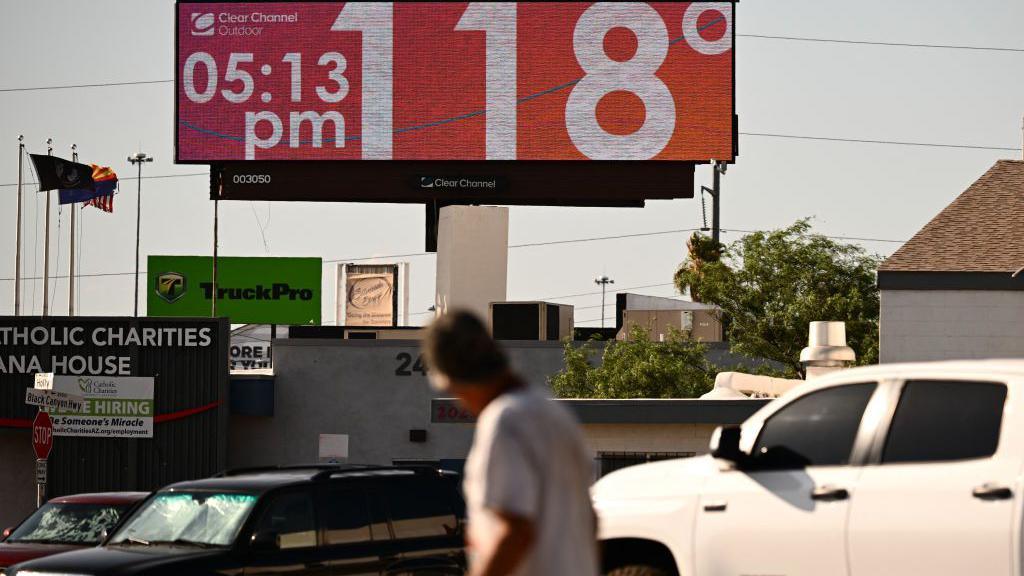
Yet one city has faced such conditions for years: Phoenix, Arizona. Officials there have long prioritized solutions to combat heat-related deaths, and their strategies are now showing measurable results. Maricopa County, where Phoenix is situated, experiences some of the highest temperatures in the nation, making it a pioneer in heat resilience. The county has implemented programs that provide residents with access to cooling centers and free air conditioning, particularly for vulnerable populations.
Phoenix’s Heat Resilience Model
Maricopa County’s approach includes expanding the availability of cool spaces, with some operating 24 hours a day to shelter people from the sun. They also offer assistance for repairing or replacing air conditioning units, targeting those with limited resources. These measures have contributed to a significant drop in heat-related deaths, from 645 in 2023 to 405 in 2025. Jennifer Marlon, a Yale University researcher, emphasized that Phoenix’s efforts could serve as a template for cities worldwide.
“The world has a lot to learn from Maricopa County,” Marlon said. “Their proactive strategies have proven effective in reducing the impact of extreme heat.”
However, progress is not guaranteed. As of 11 July, Maricopa County has already recorded 23 heat-related deaths this year, with 282 more under review. If these numbers hold, they could surpass the previous year’s total. Ladd Keith, director of the Heat Resilience Initiative at the University of Arizona, suggested that other cities should follow Phoenix’s lead by appointing dedicated heat officers.
“It’s crucial to have someone specifically responsible for heat issues,” Keith explained. “Without clear accountability, these challenges often get overlooked.”
Experts stress that heat is not just a health crisis but also an infrastructure and economic one. As global temperatures continue to rise, the effects will extend beyond health, with roads warping and flights facing delays. The county’s success underscores the importance of coordinated action and public awareness in preparing for the escalating impacts of climate change.