The honours system used to be too posh but I’m proof change is happening

The Honours System’s Evolution: A Move Toward Inclusivity
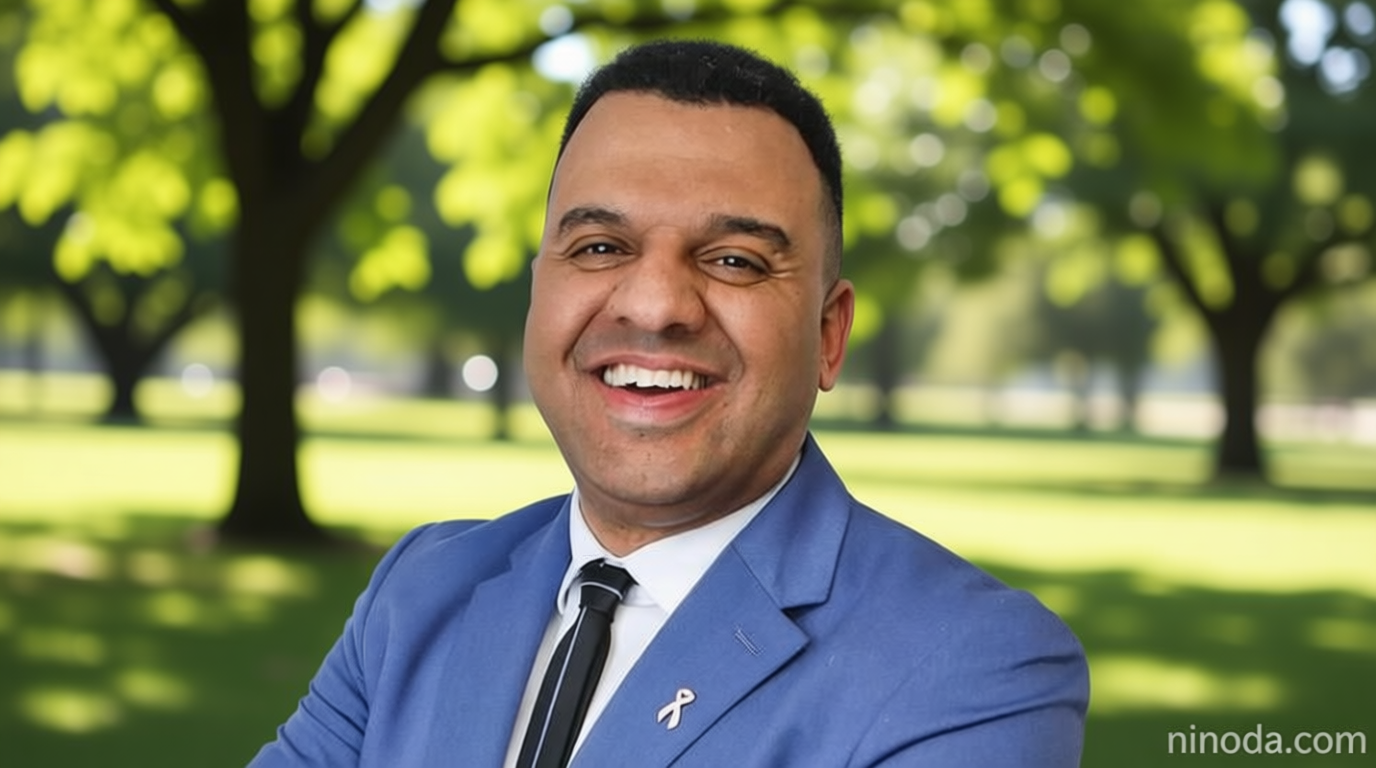
Ninoda.com – The honours system used to be seen as an exclusive institution, reserved for the elite and those with deep-rooted connections in society. However, this perception is shifting, as evidenced by the recent recognition of Clive Lawrence, a former head teacher from Derbyshire. His OBE in the New Year Honours 2026 marks a pivotal moment in a broader redefinition of who qualifies for national acclaim. No longer confined to the wealthy and famous, the system is now embracing a more diverse pool of individuals, reflecting the changing values of UK society.
Breaking the Traditional Barriers
Historically, the honours system was dominated by individuals from privileged backgrounds, with a stark imbalance in representation. In 2025, just 19% of honours recipients were from working-class origins, a figure that has since risen to 38% in 2026. This significant shift aligns with the national percentage of working-class individuals, demonstrating that the system is no longer a mirror of old aristocratic hierarchies. Alongside social inclusivity, the geographical distribution of awards has also improved, with the north of England claiming 17% of honours this year—double the 6% recorded in 2025. These changes are the result of deliberate reforms led by the Cabinet Office.
“I always had the perception that you only got an honour if you were rich or famous,” says Clive Lawrence. His journey from a council estate to an OBE exemplifies the system’s transformation, which aims to honor everyday heroes who drive meaningful change in their communities.
Stories of Real Impact
Michael Akers, a young man with a speech disability, recently received an MBE for his work in creating a charity that supports children facing similar challenges. His efforts have led to better access to speech therapists in schools, a cause deeply personal to Lawrence. Ally Outten from Llandudno was honored with a British Empire Medal (BEM) for her innovative initiative to provide prom dresses to families in financial need. These stories highlight the growing emphasis on recognizing individuals whose contributions are often overlooked in traditional narratives of success.
Meanwhile, Alexander Rigby from Bootle was celebrated for his fundraising efforts to aid domestic abuse survivors through ultra-marathons in Merseyside. The inclusion of such diverse role models signals a departure from the old system, which was frequently criticized for its narrow focus on high-profile figures. Sali Hughes, an MBE recipient for her work in Dundee’s “beauty banks,” further illustrates this shift. By addressing hygiene poverty, her initiatives now