Chinese firm seeks compensation over British Steel nationalisation

Chinese Firm Files Compensation Claim After UK Nationalises British Steel
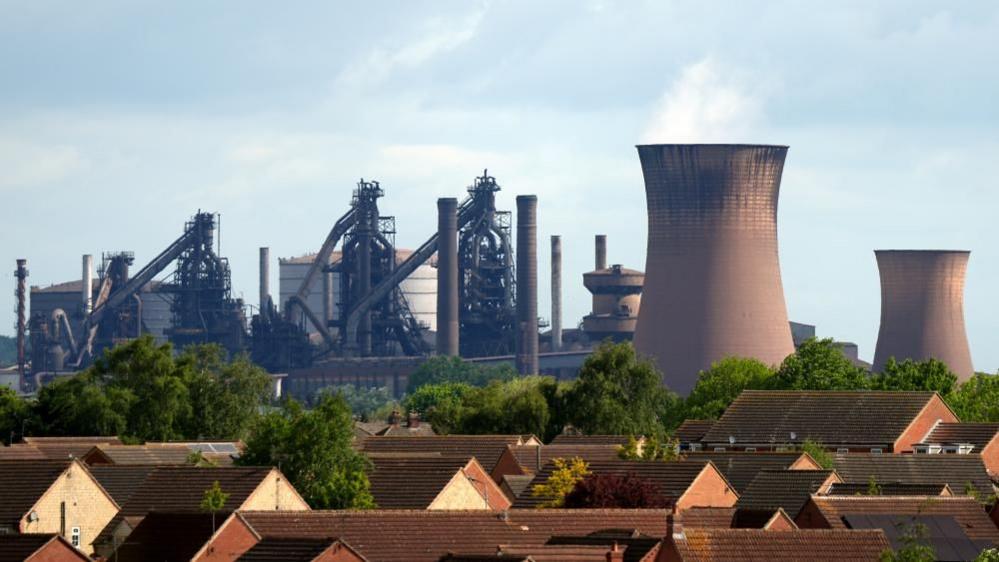
Ninoda.com – Chinese firm seeks compensation over the recent nationalisation of British Steel, a move that has sparked legal and diplomatic tensions. Jingye Group, a major Chinese steel conglomerate, has announced its intention to claim financial reparation from the British government after the Scunthorpe steelworks was seized in April 2025. The decision marks a significant shift in the UK’s industrial landscape, as the government now fully controls the plant. Jingye had previously raised concerns about the steelworks’ financial viability, warning of potential closure, but the nationalisation has placed the company in a position of legal dispute over the compensation process.
Government’s Rationale for the Takeover
The UK government defended its nationalisation of British Steel as a strategic necessity to preserve critical domestic infrastructure. Officials argued that the plant is essential for maintaining the nation’s ability to produce primary steel, a cornerstone of the manufacturing sector. The move was framed as a safeguard against supply chain disruptions and a commitment to supporting British industry. However, the decision followed months of failed negotiations with Jingye, which had proposed a restructuring plan but was deemed insufficient by ministers to secure long-term economic stability.
“The nationalisation of British Steel ensures the survival of a vital national asset, protecting jobs and securing steel production for the future,” stated a government press release. This statement underscored the urgency of the action, emphasizing that the government would not allow the plant to fall into private hands without a guaranteed public benefit.
The compensation framework, outlined in the autumn, will determine how Jingye’s claim is assessed. The process involves an independent review to calculate the value of the firm’s investment and the losses incurred due to the takeover. Critics argue that the compensation may not fully cover Jingye’s losses, given the current economic climate and the government’s need to allocate resources efficiently. Meanwhile, supporters of the nationalisation claim it is a necessary step to prevent a domino effect on the UK’s industrial sector.
China’s Diplomatic Response to the Nationalisation
China has voiced its disapproval of the UK’s decision, viewing it as a setback for foreign investment in the country. Chinese officials highlighted that the nationalisation could deter other Chinese firms from pursuing similar ventures in the UK, particularly in strategic industries. The commerce ministry reiterated its commitment to protecting the interests of Chinese investors, though no specific measures were announced to address the compensation dispute. This reaction comes amid ongoing efforts by Beijing to strengthen its economic ties with the UK, which have been strained by Brexit and shifting trade policies.
“We are deeply concerned about the impact of this nationalisation on our companies’ operations and will take all necessary steps to secure just compensation,” said a Chinese government spokesperson. The statement reflects a broader concern about the UK’s willingness to support foreign-owned businesses in critical sectors, as the steelworks had been a symbol of international collaboration under the Thatcher-era privatisation.
The move also coincides with the potential leadership of Andy Burnham as prime minister, raising questions about the future of UK-China relations. Burnham, a known advocate for strengthening ties with Asian partners, faces the challenge of balancing industrial protection with maintaining investor confidence. The nationalisation of British Steel, once a state-owned entity in 1988, now symbolises a return to public ownership, with the government framing the action as a long-term investment in national resilience.
Impact on Local Economy and Workforce
The nationalisation of British Steel has sent shockwaves through the local economy of North Lincolnshire, where the plant has been a major employer for decades. With approximately 2,700 workers directly affected, the decision has reignited debates about the role of public sector intervention in safeguarding jobs. Community leaders have called for transparency in the compensation process, fearing that the financial burden may fall disproportionately on the workers or the broader region.
Meanwhile, the steelworks’ closure was initially seen as a looming threat, with the government’s intervention providing a lifeline to the facility. However, the compensation claim has introduced uncertainty, as the process may delay or alter the plant’s operational plans. Industry analysts note that the nationalisation could serve as a precedent for future interventions in private sector enterprises, particularly those deemed critical to national interests.
Broader Implications for UK Industrial Policy
This development highlights the UK’s evolving industrial policy, which increasingly prioritises public ownership in key sectors. The government’s stance reflects a growing emphasis on self-sufficiency and strategic control, especially in light of global economic shifts and supply chain vulnerabilities. While the nationalisation of British Steel was initially met with support from some quarters, the compensation claim has introduced a new dimension to the debate, questioning the balance between state intervention and private enterprise.
Experts suggest that the compensation dispute may also influence future negotiations between the UK and its international partners. The case serves as a test of how the government will handle the financial responsibilities of nationalised assets, particularly those with significant foreign investment. As the compensation framework takes shape, the resolution of this claim will have far-reaching implications for both British and Chinese stakeholders in the industrial sector.