Trump says US strikes hit Iran in ‘honour’ of American soldiers killed

Trump says US strikes hit Iran in ‘honour’ of American soldiers killed
US Launches Strategic Strikes in Response to Iranian Attacks
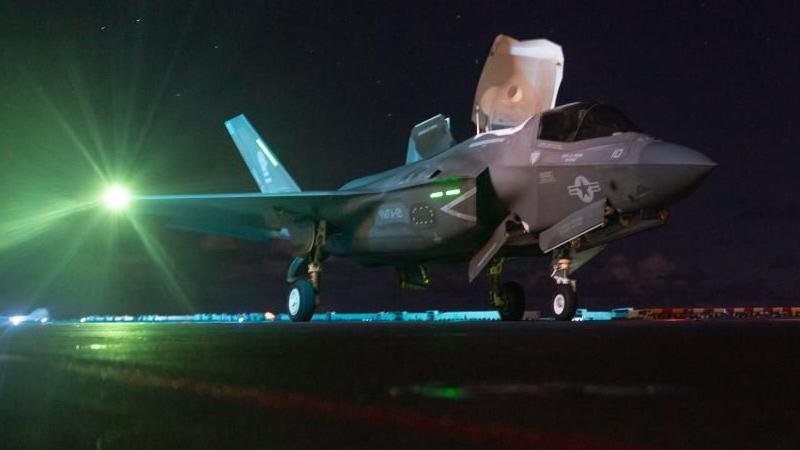
Ninoda.com – President Donald Trump asserted that the US strikes on Iran were a bold move to honor American soldiers killed in recent attacks, emphasizing the military action as a necessary response to Tehran’s aggression. The focus of the strikes was to target Iranian military infrastructure and communication systems, aiming to disrupt the country’s ability to launch attacks on international shipping routes, particularly in the strategically vital Strait of Hormuz. The operation, which unfolded over multiple nights, marked a significant escalation in the ongoing tensions between the United States and Iran, with Trump framing it as a tribute to the fallen service members.
Casualties and Immediate Consequences
The US military confirmed that three American soldiers had been killed in attacks attributed to Iran, with two casualties occurring in Jordan and one in Iraq. These strikes, carried out by US forces in coordination with allies, were reported to have hit multiple Iranian cities, including Tabriz, Chabahar, Konarak, Bandar Mahshahr, and Bandar Imam Khomeini. However, US Central Command (Centcom) clarified that the attacks were primarily focused on military targets rather than civilian areas. The IRGC, Iran’s elite military force, accused the US of targeting the southern route of the Strait of Hormuz, warning that the waterway would remain a dangerous passage unless the US ceased its strikes.
“The attacks were ‘in honour’ of the fallen,” Trump declared, underscoring the US strikes on Iran as a direct retaliation against Iranian aggression. He argued that the military action was a calculated move to safeguard international shipping and weaken Iran’s military capabilities. This sentiment aligns with the broader US strategy of countering Iranian threats to global energy supplies and regional stability.
Iran’s response was swift and forceful, with the Islamic Revolutionary Guard Corps (IRGC) launching a surprise strike in Syria and targeting US aircraft at Jordan’s Aqaba airport. State media reported that the strikes had caused significant damage, though Centcom maintained that the US had focused its efforts on military infrastructure. The conflict, which began following a series of attacks on US vessels in the Strait of Hormuz, has intensified diplomatic discussions about the need for a ceasefire or renewed negotiations to prevent further escalation.
As the hostilities continued, the Pentagon released details about the casualties, including the identities of the two Jordanian soldiers killed in the attack. Pte Isabella Gonzales, 19, and Lt Tyler James Feehan, 25, were identified as victims, while a third individual was declared missing after the incident. The remains of the missing soldier were later discovered during a search operation. These details have fueled public discourse in both the US and Iran, with some arguing that the strikes were justified in response to Iranian aggression, while others expressed concerns about the collateral damage and potential for increased regional conflict.
Trump’s rhetoric surrounding the US strikes on Iran has been a central theme in recent press briefings, with the president reiterating his belief that the actions were a necessary tribute to the fallen soldiers. He also called for a show of force to deter further Iranian attacks, stating that the military had delivered a message of strength. This approach has been supported by some within the administration, who view the strikes as a demonstration of US power to protect its interests in the region. However, critics have raised questions about the long-term consequences of such strikes, including the risk of drawing Iran into a larger war with the US.
Meanwhile, US Secretary of State Marco Rubio highlighted the strategic importance of the Strait of Hormuz, stating that the world must decide whether to allow Iran to control the critical waterway. He noted that the recent US strikes on Iran were part of broader efforts to ensure the free flow of energy resources and maintain regional security. This stance reflects a growing concern among policymakers that Iran’s continued aggression could disrupt global oil markets and threaten US allies in the Middle East. As negotiations between the US and Iran remain stalled, the situation continues to evolve, with the focus keyword “Trump says US strikes hit Iran” becoming a recurring point in discussions about the conflict’s justification and impact.