Watch: Starmer resigns, Burnham becomes PM… the day so far

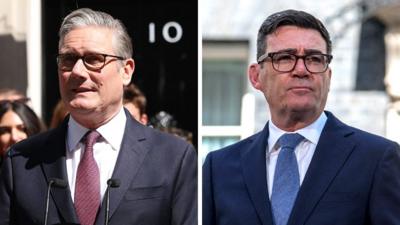
Watch: Starmer resigns, Burnham becomes PM… the day so far
Leadership transition marked by historic handover
Ninoda.com – Today marks a pivotal moment in British politics as Keir Starmer formally resigns as Prime Minister, paving the way for Andy Burnham to assume the role. The events of the day began with Starmer delivering his final address at 10 Downing Street, where he reflected on his tenure and the challenges faced during his time in office. Following the announcement, Starmer and Burnham participated in a ceremonial meeting with King Charles III at Buckingham Palace, a symbolic gesture underscoring the formal transfer of power. This transition, though swift, highlights the dynamic nature of UK political leadership and the significance of Burnham’s ascension as the country navigates a new chapter.
Political change and promises of transformation
The resignation of Starmer and the subsequent appointment of Burnham have sparked widespread analysis of the implications for the nation’s future. Burnham, who has long been a prominent figure in Labour politics, has now positioned himself as the leader of a party in flux. His first speech as PM emphasized a commitment to “resetting the direction of our nation,” with a focus on addressing economic instability and social inequality. This pledge has been met with cautious optimism, as many await the specifics of his reform agenda. The focus keyword “Watch: Starmer resigns, Burnham becomes PM… the day so far” encapsulates the urgency and public interest surrounding the day’s developments.
“This is a moment to reset the direction of our nation. We face unprecedented challenges, and it’s time to drive change that will redefine Britain for generations to come,” Burnham stated.
The swiftness of the transition has raised questions about the internal dynamics of the Labour Party. While Starmer’s resignation was announced early in the morning, the ceremony at Buckingham Palace followed shortly after, creating a seamless yet dramatic shift. Political commentators have noted that this move reflects the party’s desire to stabilize its position following recent leadership challenges. Burnham’s ability to consolidate support quickly will be critical in shaping the next phase of governance, with the focus keyword “Watch: Starmer resigns, Burnham becomes PM… the day so far” gaining traction in real-time coverage across news platforms.
Public reaction and media coverage
As the day unfolded, public reaction to the leadership change was a mix of support and skepticism. Social media platforms buzzed with discussions, with some expressing confidence in Burnham’s ability to lead, while others questioned the decision to replace Starmer so quickly. Media outlets provided extensive coverage, analyzing the historical context of the transition and the potential impact on national policies. The focus keyword “Watch: Starmer resigns, Burnham becomes PM… the day so far” became a central theme in live blogs, news updates, and political analyses, reflecting its importance in the current events. Analysts suggest that the public’s response will largely depend on Burnham’s early actions and the clarity of his vision for the country.
Key policy priorities and reform agenda
With Burnham now at the helm, the Labour Party has outlined several key priorities for the coming months. These include measures to address the cost-of-living crisis, strengthen public services, and implement long-awaited reforms in sectors such as healthcare and education. The focus keyword “Watch: Starmer resigns, Burnham becomes PM… the day so far” has been used repeatedly in headlines and summaries, emphasizing the immediacy of the political shift. Burnham’s speech also highlighted his commitment to fostering unity within the party, a move that may be crucial in maintaining stability during a period of transition. As the day progresses, the focus remains on how these policies will be framed and executed in the new administration.
Historical context and political implications
The sudden resignation of Starmer and Burnham’s rise to power are reminiscent of past leadership transitions in UK history, though the circumstances differ in key ways. Unlike previous changes, which often followed prolonged internal conflicts, this shift occurred with relative speed, indicating a clear consensus among Labour members. The focus keyword “Watch: Starmer resigns, Burnham becomes PM… the day so far” has been central to the narrative, with commentators drawing comparisons to other pivotal moments in British political history. This transition not only reshapes the leadership but also raises questions about the party’s ability to adapt to new challenges and maintain its electoral appeal in the face of shifting public sentiment.
Looking ahead: The path of the new administration
As the day concludes, the focus keyword “Watch: Starmer resigns, Burnham becomes PM… the day so far” continues to dominate discussions about the future of British governance. Burnham’s next steps will be closely watched, particularly his efforts to address the pressing issues of inflation, unemployment, and public trust in institutions. The transition from Starmer to Burnham represents more than a change in individuals—it signals a broader realignment of political priorities and a renewed emphasis on pragmatic governance. While the immediate aftermath of the resignation has been marked by ceremony and rhetoric, the true test of Burnham’s leadership will come in the months and years ahead as he seeks to deliver on his promises and navigate the complexities of a rapidly changing political landscape.