Key takeaways as Andy Burnham becomes PM

Andy Burnham Assumes Role as UK Prime Minister
Ninoda.com – Following his elevation to Labour leader, Andy Burnham has taken over as the UK’s new prime minister, marking his entry into the top office after just a week in charge. This makes him the fourth prime minister in five years and the seventh since 2016. His leadership comes amid a period of political transition, with significant changes expected in the coming days.
Immediate Priorities and Policy Announcements
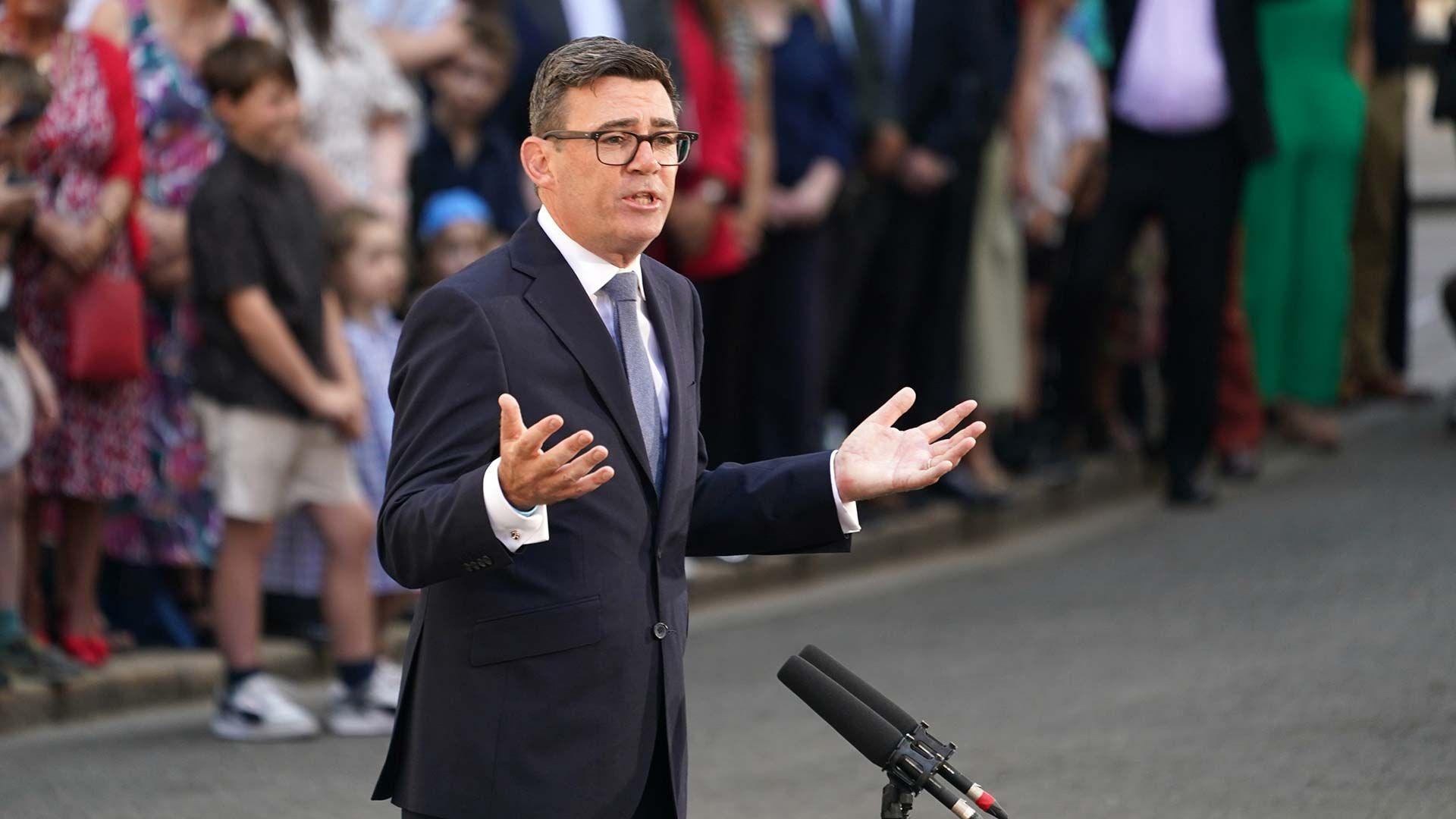
Burnham’s first address at Downing Street focused on addressing pressing societal issues. He pledged to “end rough sleeping in our country” and unveiled plans to allocate an additional £340 million over five years toward this goal. A comprehensive 10-year economic strategy will also be introduced later this year, aiming to reshape Britain’s financial landscape and reassert public control over essential services.
“The UK urgently needs stability, and politicians must work better to meet this challenge,” Burnham stated during his speech.
While emphasizing long-term reforms, he acknowledged the need for immediate relief, promising to announce measures tackling the cost of living on Tuesday. Other commitments include overhauling the education system to boost youth employment, constructing more council housing, and maintaining defence funding while adhering to fiscal constraints.
Cabinet Reforms and Leadership Shifts
On Monday, Burnham began reshaping his cabinet, replacing several ministers with his own team. A pivotal decision will involve selecting a new chancellor, as Rachel Reeves confirmed she would step down after declining a role in the cabinet. Other departing figures include Peter Kyle, David Lammy, and Richard Hermer, who were part of Starmer’s previous administration.
“I go with good grace, I go with a smile,” Starmer said in his farewell address at Downing Street.
Starmer, who led the Labour Party for two years following his 2024 election victory, expressed pride in his achievements, calling Britain “now stronger and fairer.” He shared a final moment with Reeves before departing, underscoring the personal ties within the political circle.
Ceremonial Transition and Political Symbolism
The formal handover of power included a private audience with King Charles III at Buckingham Palace, a tradition known as “kissing hands.” Though historically symbolic, the ceremony now often involves a handshake and brief exchange, reflecting modern protocol. Burnham’s speech, delivered without notes or a podium, drew attention for its departure from recent conventions, highlighting his awareness of political instability.
“We must raise our game and rise to the new challenge,” he added, addressing the nation’s priorities.