Could Infantino really push through a 64-team World Cup?

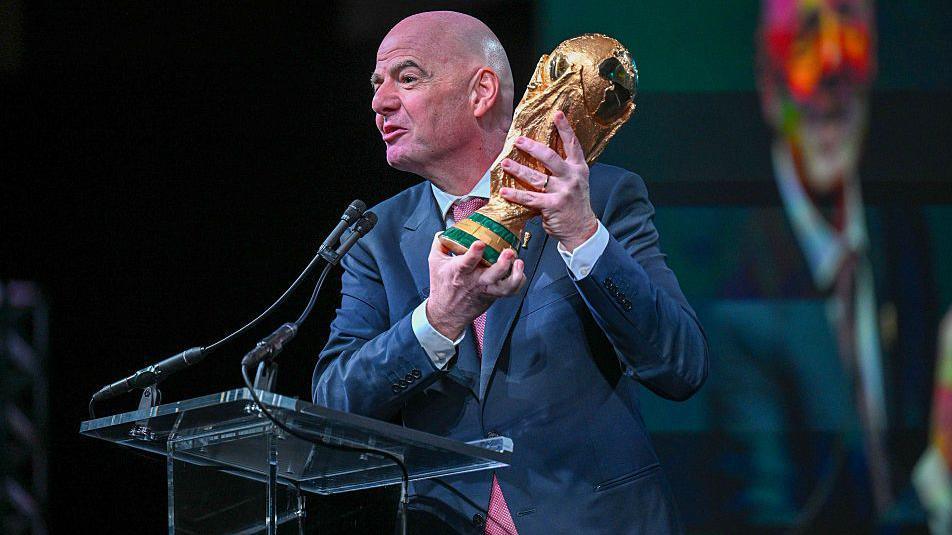
Table of Contents
Could Infantino Really Push Through a 64-Team World Cup?
Ninoda.com – Since assuming leadership of FIFA in 2019, Gianni Infantino has consistently advocated for growth and innovation in global football. His proposals include expanding the number of teams in major tournaments, increasing the frequency of matches, and raising revenue through ticket pricing. While initiatives like the restructured Club World Cup and the 2022 World Cup have already introduced changes, his push for a 64-team World Cup remains a contentious topic. Could Infantino really push through this ambitious overhaul? The answer lies in the balance between progress and tradition, as the plan faces both support and skepticism from football officials worldwide.
The Vision of Inclusivity
At the heart of Infantino’s proposal is the belief that football should be more accessible to all nations. He argues that the current 32-team format excludes many smaller countries from the global stage, limiting their exposure and opportunities for growth. “Football is a universal language, and every nation deserves a chance to shine,” Infantino has stated. This vision aligns with FIFA’s broader mission to promote the sport globally, but critics question whether a larger tournament would maintain the same level of quality and excitement.
Support from the African Continent
Support for the 64-team World Cup has been particularly strong in Africa, where football has grown significantly in recent years. The African Football Confederation (AFC) has endorsed the idea, citing the continent’s rising competitiveness and passion for the game. Countries like Egypt, Ghana, and Nigeria have shown progress in recent international competitions, making them potential contenders in the expanded format. However, some African officials also worry about the logistical challenges of hosting more matches, which could strain infrastructure and resources.
Regional Concerns and Opposition
While the 64-team format has gained traction in some regions, it has faced resistance from others. UEFA president Aleksander Ceferin criticized the plan, warning that it might dilute the tournament’s prestige. He argued that the current structure ensures a high standard of competition, with top-tier teams like Spain, France, and Germany consistently advancing. Similarly, Concacaf president Victor Montagliani expressed fears that adding more teams could disrupt the regional football calendar, stretching resources and creating scheduling conflicts. These concerns highlight the need for a balanced approach to expansion.
The success of underdog nations in the 2022 World Cup, such as Cape Verde, has fueled debates about the potential benefits of the expanded format. Cape Verde, ranked 118th in the world, stunned Spain and Uruguay in their group stage, showcasing the unpredictability that a larger tournament might bring. Such performances demonstrate how the current system allows smaller teams to compete on a global stage, but they also raise questions about whether the 64-team model would truly level the playing field or simply increase the number of underdogs.
FIFA’s decision to support the 64-team World Cup, with the tournament set to be co-hosted by Morocco, Portugal, and Spain in 2030, reflects the organization’s commitment to inclusivity. However, the format’s impact on competitive balance remains a key issue. With more teams entering the fray, the gap between elite squads and emerging nations could widen, potentially reducing the excitement of early rounds. Yet, proponents argue that the increased number of participants would make the tournament more representative, ensuring that football’s global reach extends to more regions than ever before.
As the 2030 World Cup approaches, the debate over the 64-team format is likely to intensify. Could Infantino really push through such a dramatic change? The answer may depend on how FIFA navigates the challenges of logistics, financial sustainability, and maintaining the tournament’s prestige. While the idea of a more inclusive World Cup is compelling, its long-term success will hinge on whether it can deliver both excitement and fairness to all nations involved.